

Your 2025 Fitness Roadmap: Exercise Plans, Diet Tips, and Lifestyle Strategies
Discover the ultimate fitness guide to building a healthy, active lifestyle with expert-backed workouts, nutrition tips, strength and cardio routines, calisthenics, medical fitness insights, and motivation strategies. Achieve lasting results and overall well-being through consistent fitness habits.
What Is Fitness and Why Does It Matter?

Fitness is far more than just looking good. It’s the ability of your body to perform daily tasks with efficiency, strength, and resilience. Being fit means you can walk up stairs without gasping for breath, lift your own groceries without straining your back, and recover faster after physical effort. In essence, fitness is the foundation of a healthy, capable life.
Understanding Fitness Beyond Just Exercise

Many people confuse fitness with exercise. Exercise is an activity — fitness is a condition. Exercise is what you do; fitness is what you become through consistent effort. This includes:
-
Strength training for power and muscle
-
Cardio for endurance and heart health
-
Mobility work for flexibility and injury prevention
-
Proper nutrition and recovery to support training
Fitness is a lifestyle, not a quick fix.
The Link Between Fitness, Health, and Longevity

Regular physical activity significantly enhances overall health outcomes. Research and data from the World Health Organization indicate that consistent exercise and an active lifestyle lower the risk of heart disease, obesity, type 2 diabetes, and certain types of cancer. Beyond physical benefits, maintaining an exercise routine also improves mood, sharpens mental focus, and helps slow age-related decline.
Benefits of Fitness Training
Physical Benefits — Strength, Stamina, and Weight Loss

-
Improved muscle strength: Stronger muscles protect joints and support better posture.
-
Increased stamina: Cardiovascular conditioning makes everyday tasks feel effortless.
-
Weight management: A balanced exercise regimen promotes fat loss while maintaining lean muscle mass and supporting overall physical conditioning.
Mental Benefits — Confidence, Focus, and Stress Relief

Physical activity releases endorphins — natural chemicals that help reduce stress and anxiety. Regular exercise routines boost self-confidence, improve sleep quality, and enhance mental clarity. In many cases, consistent training and an active lifestyle can be as effective as medication in alleviating mild depression and supporting overall emotional well-being.
Types of Fitness Workouts
Strength Training for Muscle Development
Lifting weights isn’t just for bodybuilders. Strength training improves bone density, reduces injury risk, and keeps metabolism high. Whether you use barbells, dumbbells, or resistance bands, focus on progressive overload — gradually increasing the weight or resistance over time.

Cardio Workouts for Heart and Endurance
Cardio, such as running, swimming, or cycling, strengthens the heart, lungs, and circulatory system. Combining steady-state cardio with high-intensity interval training (HIIT) provides maximum benefits in less time.

Bodyweight Training— Learn From This Calisthenics Workout Plan
Calisthenics focuses on using your own body as resistance — push-ups, pull-ups, dips, squats. It’s cost-free, effective, and builds functional strength and coordination.

How to Build an Effective Fitness Routine
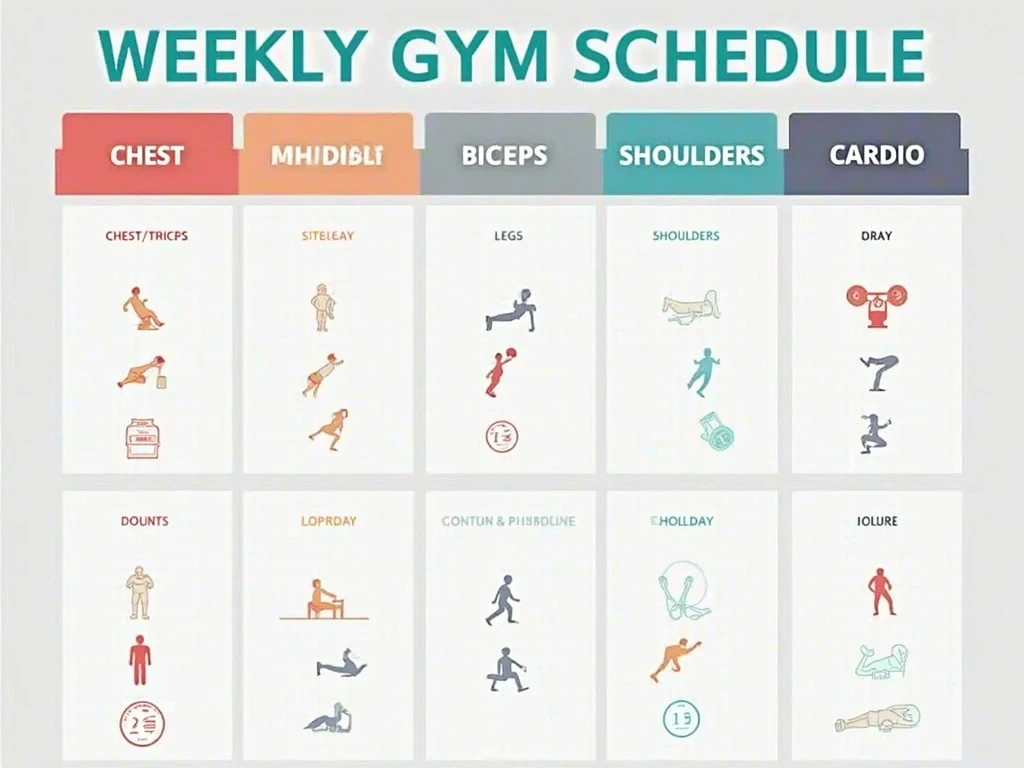
Use a 6 Day Gym Workout Plan for Maximum Progress
A six-day workout plan allows you to train different muscle groups while keeping intensity high. Splitting workouts (e.g., chest and triceps one day, back and biceps another) prevents overtraining and promotes balanced development.
Balancing Strength, Cardio, and Flexibility
Practices such as yoga, Pilates, and dynamic stretching help maintain healthy joints, improve range of motion, and reduce the risk of injuries. Incorporating these activities into your exercise routine ensures a well-rounded approach to overall health and athletic performance.

Beginner Mistakes to Avoid — Overtraining and Poor Recovery
Newcomers often train too much, too soon. Avoid ego lifting, use correct form, and take at least one rest day per week. Recovery — including sleep and nutrition — is when your body actually becomes stronger.
Nutrition and Fitness — The Perfect Partnership

Support Recovery With This 7-Day Protein Diet Plan
Training breaks muscle down — nutrition rebuilds it stronger. High-protein meals (lean meats, eggs, lentils, dairy) support recovery and muscle growth.
Pre-Workout and Post-Workout Nutrition Strategies
-
Before training: Eat complex carbs + protein for energy (e.g., oats with fruit, yogurt with granola).
-
After training: Focus on protein + carbs to recover (e.g., chicken with rice, whey shake with banana).
Proper fueling boosts performance and prevents fatigue.
Medical Fitness — Training Under Professional Guidance

Why a Medical Fitness Program Can Be Life-Saving
If you have chronic conditions — diabetes, hypertension, arthritis — medical fitness centers provide supervised training. These programs ensure safety while improving mobility, strength, and overall health.
How Doctors and Trainers Create Safe Plans Together
Doctors work alongside exercise specialists to create customized workout plans, track improvements, and reduce the risk of injury. This method blends medical expertise with hands-on training techniques.
Motivation to Stay Consistent With Fitness

Setting Realistic Goals and Tracking Your Progress
Unrealistic expectations can quickly undermine motivation. Start with manageable targets and focus on consistency and gradual improvement rather than perfection. Track your progress using training journals, workout apps, or progress photos to objectively measure improvements in strength, endurance, and overall physical conditioning. For expert guidance on goal-setting and tracking progress, refer to CDC Physical Activity Guidelines.
Overcoming Training Plateaus and Mental Barriers
Plateaus are a normal part of any exercise regimen. To break through, consider adjusting your routine, increasing intensity, or exploring new forms of physical activity. Mental barriers diminish when you celebrate small milestones and recognize incremental progress, keeping your commitment to an active lifestyle strong and sustainable. Learn more about overcoming barriers and staying motivated from Mayo Clinic’s Exercise Tips.
Making an Active Lifestyle a Sustainable Choice
Your approach to health should complement your daily routine — not take it over. Select workout styles you genuinely enjoy, surround yourself with a motivating support system, and remember: the most effective exercise plan is the one you can stick with consistently over the long term.
Common Fitness Myths Debunked

Quick Fixes vs. Long-Term Health Results
Many people get caught up in rapid transformation programs, detox beverages, or miracle supplements that promise instant weight loss or immediate strength gains. In reality, sustainable health improvements come from consistent exercise routines, balanced nutrition, and adequate recovery — not temporary fads. Real progress develops gradually as your body adapts to a structured training plan, making consistency, discipline, and patience far more effective than quick shortcuts.
Why Targeted Fat Loss Doesn’t Work
A common misconception is that you can reduce fat from a specific area by exercising it directly. Performing hundreds of sit-ups may strengthen your abdominal muscles but won’t burn belly fat alone. Fat loss occurs systemically, meaning the body reduces fat overall through a combination of:
-
Cardiovascular conditioning to burn calories efficiently
-
Resistance training and strength-building routines to boost metabolism
-
A nutrient-dense diet that supports energy balance and recovery
Instead of chasing “spot reduction,” focus on holistic training programs and well-rounded exercise regimens to achieve lasting results.
-
Cardiovascular training to improve calorie expenditure
-
Resistance training helps develop lean muscle mass while increasing metabolic rate.
-
A controlled, nutrient-rich diet to create a sustainable calorie deficit
Instead of chasing quick fixes, focus on progressive training plans like this 6-day gym workout schedule to develop strength and endurance while achieving balanced fat loss.
Frequently Asked Questions (FAQ) About Building a Sustainable Fitness Lifestyle

1. How many hours should I train weekly to stay in shape?
A. To maintain overall health and physical conditioning, most experts — including the CDC and WHO — recommend at least 150 minutes of moderate-intensity activity or 75 minutes of vigorous activity per week. This works out to about 3–5 hours of combined strength training and cardio sessions. Your exact training volume should reflect whether your priority is fat loss, muscle development, or cardiovascular endurance.
2. Can I improve my strength and endurance without a gym?
A. Absolutely. You can build muscular strength, stamina, and flexibility at home or outdoors using bodyweight routines, resistance bands, calisthenics exercises, and cardiovascular activities like jogging, cycling, or hiking. For a structured gym-free approach, check out this calisthenics workout plan that delivers impressive results.
3. Which eating plan works best with a consistent exercise routine?
A. There’s no universal diet, but an eating strategy rich in lean protein, complex carbs, healthy fats, and micronutrient-packed foods works for most active individuals. Focus on whole-food meals that fuel performance, aid recovery, and help maintain a balanced weight. For a structured approach to meal planning, explore this 7-day high-protein meal plan tailored for energy and fat loss.
4. What’s the safest routine for building strength while losing weight?
A. A balanced regimen with 3 strength-training days and 2 cardio-focused sessions is highly effective. Make sure you’re progressively challenging your muscles while keeping a slight calorie deficit to promote fat reduction without sacrificing lean mass. Pair these workouts with proper rest, hydration, and sleep to avoid overtraining and achieve lasting results — for structure, follow this 6-day gym workout schedule.
Conclusion — Fitness as a Lifelong Commitment

Wellness isn’t a short-term trend or something you pursue only to look good for an event — it’s a lifelong commitment to health, strength, and overall well-being. When you integrate structured workouts, balanced nutrition, proper recovery, and unwavering consistency into your daily routine, you create a foundation for sustainable progress and long-term results.
Unlike fad diets or quick-fix training challenges, an active lifestyle focuses on building habits that improve your energy levels, enhance your mental clarity, and strengthen your body over time. Whether your goal is to lose weight, gain muscle, improve cardiovascular health, or simply feel better every day, the key is to treat physical conditioning as an essential part of life rather than a temporary project.
Start today. Build momentum. Make an active lifestyle your lifelong companion.
1 thought on “Your 2025 Fitness Roadmap: Exercise Plans, Diet Tips, and Lifestyle Strategies”