

Explore the Pakistan and Saudi Arabia defense pact, its military, economic, and geopolitical impact, from Israeli aggression to Vision 2030, CPEC, and Muslim unity.
Pakistan and Saudi Arabia Enter a New Era of Defense Cooperation – Introduction
When we talk about alliances in the modern world, the ones that often dominate headlines are those involving superpowers — the United States with NATO, Russia with its regional partners, or China weaving influence across Asia. Yet, a new alliance closer to home is quietly reshaping the geopolitical map: the Pakistan and Saudi Arabia defense pact. This is more than a simple military cooperation deal; it is a turning point in Islamic geopolitics with profound implications for South Asia, the Middle East, and the wider Muslim world.
For decades, relations between Pakistan and Saudi Arabia have been described as “brotherly,” grounded in religion, shared culture, and economic ties. But while the rhetoric of friendship was strong, both nations often acted with caution, balancing domestic constraints with foreign policy realities. The Pakistan and Saudi Arabia defense pact now transforms this historic relationship into a formal, structured strategic partnership with clear commitments in defense, intelligence, and regional security.
Why is this significant? Because in today’s fragmented world, where alliances are shifting and new power blocs are forming, the Pakistan and Saudi Arabia defense pact signals more than cooperation — it signals intent. Intent to safeguard regional stability, intent to move away from overreliance on Western defense umbrellas, and intent to project a stronger joint Muslim voice in global affairs.
In essence, the Pakistan-Saudi defense pact is not just a treaty; it is a declaration that two of the Muslim world’s most influential nations are ready to shape their own destiny in the face of Israel aggression, Indian ambitions, and shifting Western loyalties.
The Timing of the Pact – Why Now?
Timing in geopolitics is rarely coincidental, and the Pakistan and Saudi Arabia defense pact comes at a moment when the global order is being tested on multiple fronts. The international environment, shifting alliances, and regional conflicts all make this agreement not only timely but strategically essential.
-
The United States is recalibrating its Middle East role, showing less appetite for long-term security commitments and leaving allies like Riyadh searching for alternative defense guarantees.
-
India is deepening ties with Washington, as explored in this analysis of USA and India turning points, pushing Pakistan to expand its own security networks through trusted Muslim allies.
-
China and Russia are asserting influence across Asia and the Gulf, creating new power dynamics that neither Islamabad nor Riyadh can afford to ignore.
-
Conflicts in Yemen and instability in the Gulf region remain unresolved, posing constant security challenges for Saudi Arabia.
-
Pakistan faces persistent threats along its western borders and the ripple effects of Indo-Pacific strategies, limiting its strategic maneuverability.
Amidst this backdrop, the Pakistan and Saudi Arabia defense pact provides both nations with much-needed strategic breathing space. For Pakistan, it means leveraging Gulf resources to bolster its defense capabilities, counterterrorism efforts, and nuclear deterrence credibility. For Saudi Arabia, the pact secures a reliable Muslim-majority defense partner, backed by Pakistan’s battle-tested military and nuclear expertise.
In short, the timing of the Pakistan-Saudi defense pact reflects more than convenience — it is a calculated move to reshape Islamic geopolitics at a time of Israel aggression, Indian expansion, and Western retrenchment.
Beyond Military Hardware – A Strategic Mindset
To interpret the Pakistan and Saudi Arabia defense pact as merely an exchange of weapons, training programs, or military bases would be an oversimplification. This agreement represents a fundamental shift in strategic mindset for both Islamabad and Riyadh. It is less about short-term logistics and more about creating a new defense architecture for the Muslim world.
Through this pact, both nations are acknowledging that the world ahead will require:
-
Regional defense autonomy — reducing reliance on Western security guarantees and instead building strength within the Pakistan-Saudi defense axis.
-
Interconnected security architectures — recognizing that modern threats such as terrorism, cyber warfare, and regional conflicts cannot be contained within borders, but demand joint Islamic defense responses.
-
Political and symbolic messaging — projecting a powerful signal to both allies and rivals that the Muslim world can forge its own defense blocs, independent of great-power patronage.
This is why many analysts argue that the Pakistan and Saudi Arabia defense pact is less about immediate tactical needs and far more about long-term strategic partnership. It lays the groundwork for a sustainable Islamic defense alliance that can counter challenges ranging from Israel aggression to Indian military expansion.
The Symbolism of Pakistan–Saudi Arabia Unity
The unity represented by the Pakistan and Saudi Arabia defense pact carries far more symbolism than many observers initially realize. It is not just an agreement on paper — it is the blending of two very different but highly complementary sources of power.
-
Pakistan, with its nuclear capability, one of the world’s largest standing armies, and decades of experience in asymmetric warfare, represents the hard power of the Muslim world. Its resilience and battlefield credibility make it a natural security guarantor in any future Islamic defense alliance.
-
Saudi Arabia, with its immense financial muscle and unmatched religious significance as the custodian of Islam’s holiest sites, represents soft power, global influence, and economic resources.
When combined, this partnership forms a powerful strategic duo: military strength reinforced by financial capacity and ideological influence. This is why the Pakistan–Saudi Arabia defense pact is not merely about defense logistics. It is about crafting a new geopolitical identity for the Muslim world — one that challenges the long-standing notion that Muslim-majority states must always fall behind Western or superpower-led alliances.
In this sense, the pact is both a symbol of unity and a blueprint for independence, giving the Muslim world a chance to project its own collective strength.
Setting the Stage for the Pact’s Impact
The Pakistan–Saudi Arabia defense pact is not a narrow military agreement; it is a multi-dimensional framework designed to touch almost every aspect of modern security cooperation. Analysts expect the pact to evolve across several critical layers:
-
Joint Training and Exercises – Both nations are planning structured military drills and war games to enhance interoperability between their forces. This ensures that when the time comes, Pakistani and Saudi troops can operate seamlessly, whether in counterterrorism operations, maritime defense, or larger regional conflicts.
-
Intelligence Sharing – In an era where non-state actors and transnational threats blur traditional borders, intelligence cooperation becomes essential. Through this pact, Pakistan and Saudi Arabia are expected to create more formalized channels of intelligence sharing, focusing on counterterrorism, cyber threats, and regional destabilization efforts.
-
Defense Production and Technology – A particularly important element of the pact is potential cooperation in defense manufacturing. Joint ventures in arms production, technology transfer, and drone or missile systems could boost both countries’ defense industries while reducing dependence on Western suppliers.
-
Strategic Dialogue in Global Forums – Beyond the battlefield, the pact enables both sides to coordinate positions within international institutions such as the Organization of Islamic Cooperation (OIC), the United Nations, and regional diplomatic platforms. This strengthens their voice in debates on security, human rights, and the future of the Muslim world.
What makes the Pakistan and Saudi Arabia defense pact especially relevant is the timing. It dovetails neatly with the changing dynamics of U.S.–India relations, as highlighted in this analysis of Trump and India conflict. While New Delhi deepens its alignment with Washington, Islamabad is deliberately carving out a diversified security approach that includes Riyadh, Beijing, and even Moscow. For Saudi Arabia, this is equally vital: the Kingdom seeks to reduce its heavy reliance on Washington, particularly as U.S. domestic politics grow unpredictable and long-term commitments to Gulf security appear less certain.
By spreading their strategic bets, Pakistan and Saudi Arabia are signaling that they intend to chart their own independent course, rather than remain tethered to the whims of external powers.
A Human-Centric Look – Beyond Statecraft
While analysts often frame the Pakistan and Saudi Arabia defense pact in terms of strategy, geopolitics, and statecraft, its true significance must also be understood from the perspective of ordinary citizens. This agreement is not confined to military headquarters or diplomatic chambers — it carries direct implications for societies in both nations.
For Pakistanis, Saudi Arabia has long been more than a regional ally. It is a land of opportunity, hosting millions of Pakistani workers whose remittances form a vital pillar of Pakistan’s economy. The defense pact further strengthens this relationship by creating confidence in long-term Saudi–Pakistani ties, reassuring workers and businesses alike that the Kingdom remains a secure and stable partner.
For Saudis, Pakistan represents not just a political ally, but also a trusted source of trained manpower, military expertise, and security support. Over decades, Pakistani professionals — from engineers to doctors, and from defense advisors to construction workers — have contributed to the Kingdom’s development. By institutionalizing cooperation through the defense pact, Riyadh ensures a steady flow of skilled human capital and proven security assistance.
This means the agreement is not just about defense; it is about building an ecosystem of cooperation that trickles down to the societal and economic levels. It reinforces cultural exchange, workforce mobility, and mutual trust between people, making the Pakistan–Saudi Arabia defense pact as much about communities as it is about governments.
The Road Ahead
The introduction of the Pakistan and Saudi Arabia defense pact does not mean that challenges will suddenly disappear. While the agreement marks a milestone in bilateral relations, several strategic questions remain unresolved. How will the pact be implemented in practice? Can both nations balance their growing partnership while managing ties with other key players? And how will the optics of this defense alignment be perceived in Washington, Tehran, and New Delhi?
These are not small issues. For Pakistan, the challenge lies in strengthening its bond with Saudi Arabia without jeopardizing delicate relations with neighbors like Iran or overdependence on Gulf financial backing. For Saudi Arabia, the test is to deepen cooperation with Pakistan while carefully navigating its own ties with the United States and emerging partners like India.
Yet, the very fact that Pakistan and Saudi Arabia have chosen to formalize this defense pact signals a readiness to embrace such challenges rather than avoid them. Instead of reacting passively to regional instability, both states are proactively shaping a strategic framework that reflects their evolving priorities.
As this analysis progresses, we will explore multiple dimensions of this agreement: the historical foundations of the Pakistan–Saudi Arabia relationship, the military and economic layers of cooperation, the regional implications across South Asia and the Middle East, and the global significance for international power dynamics. The purpose is not simply to describe what has happened, but to analyze what it means — for Pakistan, for Saudi Arabia, and for the wider Muslim world in a rapidly changing century.
Historical Context – The Evolution of Pakistan and Saudi Arabia Relations
When analyzing the Pakistan and Saudi Arabia defense pact, it is impossible to appreciate its significance without tracing the long, complex, and deeply rooted history of relations between these two Muslim-majority powers. Far from being a sudden or isolated event, the Pakistan–Saudi Arabia relationship is a story of religious solidarity, security cooperation, financial assistance, and geopolitical alignment. The new defense pact is simply the latest milestone in this decades-long journey.
Early Bonds – Religion and Identity
The foundations of the Pakistan–Saudi Arabia relationship are inseparable from religion and identity. From Pakistan’s very birth in 1947, there was a natural spiritual bond with Saudi Arabia, the custodian of the Two Holy Mosques in Makkah and Madinah. For Pakistanis, Saudi Arabia was not just another foreign state; it was the center of their faith.
Saudi Arabia was among the very first countries to recognize Pakistan in 1947. This early recognition gave Pakistan legitimacy at a time when its survival was uncertain, while also proving that the Pakistan–Saudi Arabia relationship was built on more than politics — it was anchored in faith and Islamic identity.
The Cold War Era – Security Partnerships Emerge
During the Cold War, the Pakistan and Saudi Arabia defense pact took shape through practical cooperation. Both countries aligned with the United States to counter communism, but their bilateral defense ties grew even stronger. Pakistani officers served in Saudi Arabia as trainers, engineers, and pilots, establishing deep trust in the Kingdom’s defense institutions.
At the same time, Saudi Arabia’s oil wealth began flowing into Pakistan through loans, grants, and investments. Millions of Pakistani workers migrated to Saudi Arabia, sending back vital remittances. This exchange of financial resources and manpower created an enduring model of cooperation that directly feeds into today’s Pakistan and Saudi Arabia defense pact.
The 1980s – Afghan Jihad and Strategic Alignment
The Soviet invasion of Afghanistan in 1979 was a turning point. Suddenly, the Pakistan–Saudi Arabia relationship became central to global geopolitics. Saudi Arabia provided funding, Pakistan supplied logistics and training, and together they coordinated with Washington to drive the Soviets out.
This period demonstrated the depth of the Pakistan and Saudi Arabia defense pact in action: shared intelligence, joint financing, and coordinated strategy. While it later created challenges of militancy, it also proved how both states could act in lockstep when their security was on the line.
The 1990s – Gulf War and Strategic Depth
The Gulf War of 1990–91 once again tested the strength of the Pakistan and Saudi Arabia Arabia relationship. When Iraq invaded Kuwait, Pakistan swiftly sent troops to Saudi Arabia to defend the Kingdom’s borders. This move cemented Pakistan’s status as a reliable security partner and reinforced Saudi trust in Pakistani military expertise.
Economically, Saudi financial assistance and remittances from Pakistani workers became lifelines for Pakistan. This dual foundation of defense cooperation and economic support further solidified the need for a structured Pakistan and Saudi Arabia defense pact in the future.
The 2000s – Terrorism, U.S. Wars, and Shifting Balances
After 9/11, both Pakistan and Saudi Arabia faced new security threats. Pakistan became a frontline ally in the U.S. “War on Terror,” while Saudi Arabia confronted extremist violence at home. Despite differences in strategy, their defense partnership endured through intelligence sharing, military training, and joint counter-terrorism initiatives.
Even as the U.S. wars in Afghanistan and Iraq reshaped the region, the Pakistan and Saudi Arabia defense pact remained an unspoken but essential reality. For Pakistan, Saudi Arabia offered financial stability and political backing. For Saudi Arabia, Pakistan represented reliable military power at a time of uncertainty.
The 2010s – Strains and Recalibrations
The Arab Spring and the Yemen conflict brought friction. In 2015, Pakistan’s parliament refused to send combat troops to Yemen despite Saudi expectations. This created temporary strain in the Pakistan–Saudi Arabia relationship, but the bond did not break.
Instead, Islamabad appointed former Army Chief General Raheel Sharif to lead the Islamic Military Counter Terrorism Coalition (IMCTC) — a Saudi-led initiative. This symbolic gesture reassured Riyadh that Pakistan remained committed to Saudi-led security frameworks, while allowing Islamabad to carefully balance its own domestic and regional interests.
The Road to the New Pact – Maturing Brotherhood into Formal Strategy
By the 2020s, it became clear that both nations needed to formalize what had long been an informal alliance. Several factors pushed them in this direction:
-
Saudi Arabia’s Vision 2030 aims to diversify its economy and reduce dependence on the West. Defense partnerships with Pakistan provide both manpower and technological collaboration.
-
Pakistan’s economic challenges made Riyadh’s investments and aid indispensable. In return, Pakistan sought stronger security ties to enhance its regional standing.
-
Shifting U.S. policies — with Washington pivoting toward Asia and focusing more on India — left both Riyadh and Islamabad looking for new anchors.
Thus, the Pakistan–Saudi Arabia defense pact is not an isolated event. It is the culmination of decades of cooperation, trust-building, shared conflicts, and strategic necessity.
Why History Matters in This Pact
Understanding this history is crucial because it shows that this agreement is not simply a tactical maneuver. It reflects decades of cumulative trust, moments of shared crisis, and long-term patterns of dependency and support. While the pact formalizes the relationship, the relationship itself has been evolving for over 70 years.
This history also explains why, despite occasional strains, the bond never broke. The mutual needs — financial, military, political, and ideological — have always outweighed the disagreements. And that is why this new pact feels less like a surprising announcement and more like the logical next chapter in a long saga of cooperation.
Military Dimensions of the Pakistan and Saudi Arabia Defense Pact
When analyzing the Pakistan and Saudi Arabia defense pact, one of the most striking features is the depth of military cooperation it envisions. For decades, Pakistan–Saudi Arabia military cooperation has been the backbone of bilateral ties, but this agreement elevates it to an unprecedented level. It formalizes what was once informal and ad hoc, transforming it into a long-term strategic partnership with clearly defined objectives.
Army-to-Army Cooperation – From Training to Deployment
Historically, Pakistani military officers have been central to the training and development of the Saudi armed forces. Since the 1960s, Pakistani generals, trainers, and advisers have shaped Riyadh’s defense doctrine. The new Pakistan and Saudi Arabia defense pact institutionalizes this through:
-
Permanent joint training programs in both countries.
-
Exchange of personnel for specialized courses in counterterrorism, mountain warfare, and armored operations.
-
Rapid deployment agreements, enabling Pakistani troops to assist Saudi defense in the event of external aggression.
This last element echoes Pakistan’s troop deployments during the Gulf War, but unlike in the past, it is now framed within a structured security agreement rather than a one-off decision.
Air Force Collaboration – Expanding Capabilities
The Royal Saudi Air Force has long relied on Pakistani expertise in pilot training and aerial combat. With the pact, this relationship advances into new territory:
-
Annual joint air exercises between the Pakistan Air Force (PAF) and Royal Saudi Air Force.
-
Technology sharing, particularly around Pakistan’s JF-17 Thunder program, giving Riyadh a path to diversify away from Western suppliers.
-
Counter-drone and missile defense cooperation, a crucial step given Saudi vulnerability to drone attacks.
This represents a critical leap in Pakistan–Saudi Arabia military cooperation, reinforcing both air forces’ regional capabilities.
Naval Security – Protecting Maritime Lifelines
Naval collaboration, though less publicized, is equally strategic. Saudi Arabia’s security depends on safe Red Sea and Persian Gulf shipping lanes, while Pakistan’s Karachi and Gwadar ports rely on uninterrupted maritime trade. The pact includes:
-
Joint naval patrols in the Arabian Sea and Gulf of Aden.
-
Shared maritime intelligence against piracy and smuggling.
-
Port access agreements, enhancing logistical depth for both navies.
This directly links to energy security, as Pakistan imports much of its oil from Saudi Arabia — making secure sea-lanes a mutual priority.
Intelligence and Counterterrorism Cooperation
Perhaps the most crucial dimension of the Pakistan and Saudi Arabia defense pact lies in intelligence-sharing and counterterrorism. Both nations have faced extremist threats from transnational networks. Under the pact:
-
Real-time intelligence sharing will target terrorist movements and financial networks.
-
Joint task forces will counter cyber threats and online radicalization.
-
Enhanced border security training, leveraging Pakistan’s counterinsurgency experience.
By merging Saudi financial strength with Pakistan’s on-ground expertise, the pact could redefine counterterrorism cooperation in the Muslim world.
Defense Industry and Joint Production
The pact’s forward-looking feature is joint defense production. Pakistan’s indigenous defense industry — small arms, armored vehicles, drones — complements Saudi Arabia’s Vision 2030 goal of localizing 50% of its defense spending. The pact proposes:
-
Joint production facilities in both countries.
-
Co-development of drones, missile systems, and armored vehicles.
-
Training Saudi engineers in Pakistan’s defense complexes.
This enhances Saudi defense independence while giving Pakistan access to Saudi capital to upgrade its technology base.
Nuclear Umbrella – The Silent Factor
Though not officially stated, Pakistan’s nuclear capability is an unspoken element in the Pakistan–Saudi Arabia relationship. For decades, analysts have speculated that Riyadh sees Pakistan as a “nuclear insurance policy.” While the pact avoids nuclear references, it strengthens the perception that Pakistan remains Saudi Arabia’s ultimate fallback in case of regional power imbalance.
Military Exercises and Joint Drills
The pact institutionalizes regular joint military exercises across all branches:
-
Army drills for desert warfare.
-
Air exercises focusing on precision strikes and defense.
-
Naval war games to secure vital shipping lanes.
These drills enhance interoperability and send a clear geopolitical signal: Pakistan and Saudi Arabia are preparing to act as a unified defense bloc if needed.
Why These Military Dimensions Matter
The importance of these military aspects lies in their long-term strategic impact. Unlike past cooperation, often reactive to crises, the new Pakistan and Saudi Arabia defense pact establishes a proactive, structured framework. It shifts the partnership from transactional to strategic, embedding defense ties permanently into the security architecture of both nations.
Geopolitical Implications of the Pakistan and Saudi Arabia Defense Pact
The signing of the Pakistan and Saudi Arabia defense pact is not just a bilateral event — it is a strategic development with far-reaching geopolitical consequences. Positioned at the crossroads of vital geopolitical arenas — Pakistan in South Asia and Saudi Arabia in the Middle East — their enhanced defense alignment inevitably affects relations with the United States, India, Iran, China, and the GCC.
Impact on U.S. Relations – A Balancing Act
For decades, both Pakistan and Saudi Arabia were close U.S. allies, coordinating under Washington’s security umbrella. However, recent cracks are evident:
-
Washington’s pivot toward India unsettles Pakistan.
-
Saudi Arabia’s distrust of U.S. reliability grew after what Riyadh viewed as a muted American response to the 2019 attacks on its oil facilities.
The new Pakistan–Saudi Arabia defense pact allows both nations to reduce overdependence on Washington. While not replacing U.S. ties, it diversifies their security architecture. For Washington, this is a warning sign: two traditional allies are charting independent strategic paths.
👉 Related reading: USA and India turning points
India’s Reaction – Strategic Concerns
India will likely view the Pakistan and Saudi Arabia defense pact with suspicion. For New Delhi, Islamabad’s growing closeness with Riyadh raises several concerns:
-
Diplomatic influence: Saudi Arabia’s weight in the Muslim world could amplify Pakistan’s stance on Kashmir.
-
Military balance: Saudi funding may accelerate Pakistan’s defense modernization, challenging India’s conventional superiority.
-
Geopolitical signaling: India’s recent energy and investment partnerships with Riyadh risk becoming complicated by this pact.
Given the India–U.S. strategic partnership and Indo-Saudi cooperation, the pact forces India to reconsider how far Riyadh might lean toward Pakistan’s defense priorities.
👉 Related reading: Trump and India conflict
Iran’s Concerns – Regional Rivalries Resurface
Iran, historically a rival of Riyadh and a cautious partner of Islamabad, cannot ignore this development. The pact may tilt balances in ways that concern Tehran:
-
Border security sensitivities, as Pakistan shares a long frontier with Iran.
-
Sectarian undercurrents, with Tehran potentially seeing the pact as part of a Sunni bloc.
-
Regional conflicts, especially if Saudi Arabia leverages the pact in Yemen or Syria, which could pressure Islamabad to pick sides.
This creates a delicate challenge for Pakistan, which has traditionally sought strategic neutrality between Tehran and Riyadh.
China’s Role – Strategic Convergence
China quietly benefits from the pact. Both partners are vital to Beijing’s Belt and Road Initiative (BRI):
-
Pakistan hosts CPEC, a flagship corridor of the BRI.
-
Saudi Arabia, under Vision 2030, is increasingly open to Chinese investment and technology.
A stronger Pakistan–Saudi Arabia defense alignment indirectly supports China’s long-term energy and trade security, reinforcing Beijing’s push for multi-polar alliances that counterbalance Western dominance.
The GCC Angle – Reinforcing Saudi Leadership
Within the Gulf Cooperation Council (GCC), Saudi Arabia consolidates its leadership by drawing Pakistan closer. Riyadh signals to neighbors — particularly the UAE and Qatar — that it commands unique defense partnerships beyond the GCC. This could trigger competition but may also open the door to broader Pakistan–GCC defense cooperation.
Regional Security Architecture – Shifting Alignments
The pact contributes to a wider reconfiguration of alliances:
-
Turkey and Qatar have often diverged from Riyadh; Pakistan’s entry strengthens Saudi leverage.
-
Russia’s growing energy ties with Riyadh could now intersect with Pakistan’s security alignment, creating new cooperation or friction points.
This demonstrates how the pact integrates into a shifting regional security architecture.
Symbolic Power in the Muslim World
Beyond hard geopolitics, the pact has immense symbolic power:
-
For Pakistan: partnering with the custodian of the Two Holy Mosques boosts its stature across the Muslim world.
-
For Saudi Arabia: aligning with the world’s only Muslim nuclear power signals strength and leadership.
Together, this partnership projects soft power and hard power fusion across the Islamic world.
Why Geopolitics Makes This Pact Different
Unlike past military collaborations, this pact comes amid rapid global realignments:
-
U.S. dominance is no longer absolute.
-
India is emerging as a regional hegemon.
-
Iran is reasserting itself after sanctions relief.
-
China is embedding itself across Eurasia.
In this environment, the Pakistan and Saudi Arabia defense pact is far more than a security arrangement. It is a statement of geopolitical intent — declaring that both Islamabad and Riyadh seek to be active shapers of regional geopolitics, not passive players under great-power influence.
Economic and Strategic Cooperation Beyond Defense
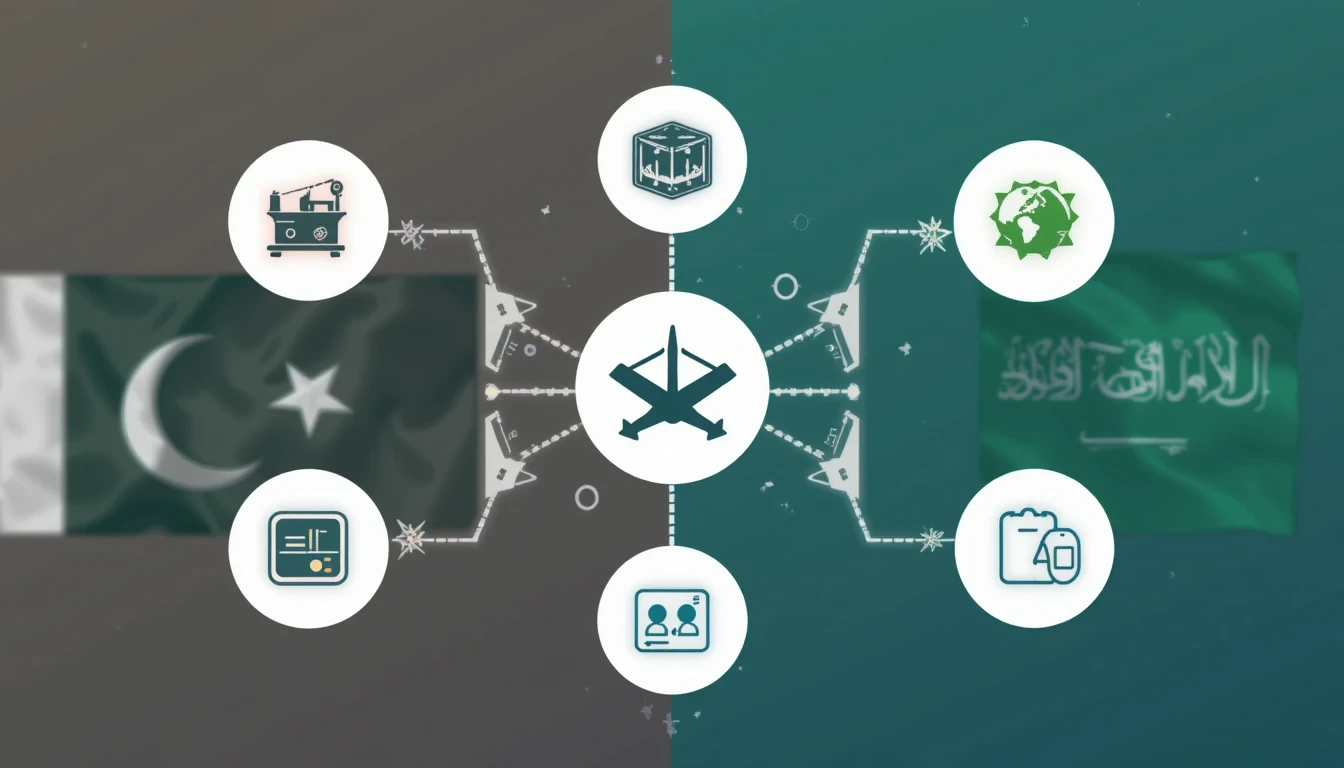
While the military components of the Pakistan and Saudi Arabia defense pact have drawn the most attention, the agreement cannot be separated from its wider economic and strategic context. Defense cooperation provides security, but economics provides sustainability. Both Islamabad and Riyadh know that military power without economic strength is unsustainable, and that is why this pact is embedded in a much larger framework of trade, investment, and strategic cooperation.
Saudi Arabia’s Vision 2030 and Pakistan’s Role
Saudi Arabia’s ambitious Vision 2030 seeks to diversify its economy away from oil dependency and transform the Kingdom into a global investment hub. Pakistan, with its growing population, skilled workforce, and strategic geographic location, plays a critical role in this plan.
Under the new pact, economic cooperation is expected to expand in parallel with defense ties:
-
Skilled manpower exchange: Pakistan remains a top source of expatriate workers for Saudi Arabia. Under Vision 2030, Riyadh will require more skilled professionals, particularly in technology, engineering, and construction.
-
Infrastructure development: Pakistani companies are being considered for major Saudi projects, including NEOM, the $500 billion futuristic city.
-
Financial investments: Riyadh has pledged billions in direct investments in Pakistan, particularly in energy and petrochemicals.
Energy Security – A Lifeline Connection
Energy is the most obvious driver of economic interdependence between the two nations. Pakistan relies heavily on imported oil, and Saudi Arabia is its primary supplier. The pact enhances this lifeline by ensuring:
-
Long-term energy supply agreements, protecting Pakistan against global oil price volatility.
-
Saudi investments in Pakistan’s refineries and LNG terminals, upgrading Islamabad’s energy infrastructure.
-
Joint exploration projects, with Saudi Aramco looking at possible ventures in Pakistan’s offshore reserves.
This strengthens not only Pakistan’s energy security but also Riyadh’s role as a dependable supplier to a major Muslim ally.
China–Pakistan Economic Corridor (CPEC) and Saudi Investments
A game-changing development is Saudi Arabia’s expressed interest in joining the China–Pakistan Economic Corridor (CPEC) as a third strategic partner. This interest aligns perfectly with Beijing’s Belt and Road Initiative and Riyadh’s Vision 2030.
Potential areas of collaboration include:
-
Gwadar Port development, giving Saudi Arabia access to trade routes connecting the Arabian Sea to Central Asia.
-
Special Economic Zones (SEZs) where Saudi companies could invest in manufacturing, logistics, and technology.
-
Energy corridor security, linking Riyadh’s oil wealth with China’s growing demand through Pakistan’s territory.
This trilateral cooperation — Pakistan, Saudi Arabia, and China — could reshape the economic map of Asia.
Trade Expansion and Diversification
Currently, trade between Pakistan and Saudi Arabia is heavily tilted toward oil imports. The defense pact creates an opportunity to diversify this trade relationship by:
-
Expanding Pakistani agricultural exports (rice, fruits, meat) to Saudi Arabia.
-
Increasing Saudi investments in technology and IT outsourcing in Pakistan.
-
Encouraging joint ventures in pharmaceuticals and healthcare, sectors where both nations see growing demand.
This diversification reduces dependence on a single sector and builds resilience in bilateral economic ties.
Strategic Investments – Beyond Short-Term Aid
Historically, Saudi support for Pakistan often came in the form of short-term financial bailouts during crises. While helpful, these measures did not create long-term sustainability. The new pact, however, emphasizes strategic investments that generate lasting returns.
Examples include:
-
The proposed $10 billion oil refinery in Gwadar, which could become a cornerstone of bilateral energy cooperation.
-
Joint defense industry projects, linking economic and military objectives.
-
Sovereign wealth fund investments in Pakistan’s real estate and financial markets.
Such initiatives shift the relationship from aid dependency to mutual economic growth.
Labor Force and Remittances
Pakistani expatriates in Saudi Arabia form one of the largest migrant worker communities in the world. Their remittances are a backbone of Pakistan’s economy, contributing billions annually. The defense pact indirectly strengthens this by ensuring political goodwill and labor access. Riyadh’s need for skilled and semi-skilled workers will only grow, and Islamabad can position itself as a preferred labor partner.
Technology and Knowledge Transfer
As Saudi Arabia modernizes its defense and civilian sectors, Pakistan has an opportunity to benefit from technology transfer agreements. This includes:
-
Advanced military technologies linked to joint production.
-
Cybersecurity collaboration, crucial in an era of hybrid warfare.
-
Renewable energy projects, where Saudi Arabia is investing heavily in solar power — a sector Pakistan also seeks to expand.
Economic Diplomacy – A Two-Way Street
The pact allows both countries to leverage their ties for broader economic diplomacy:
-
For Pakistan, closer ties with Riyadh enhance its credibility with Gulf states and global investors.
-
For Saudi Arabia, strong ties with Islamabad improve its reach in South Asia and create goodwill among Pakistan’s 240+ million people.
This soft power dynamic ensures that the relationship is not just transactional but also political and cultural.
Why Economic Cooperation Matters in the Defense Pact
Without an economic backbone, defense partnerships risk becoming hollow. By embedding trade, investment, and energy cooperation into the Pakistan and Saudi Arabia defense pact, both nations are ensuring that military ties are supported by financial sustainability. This makes the relationship far more durable than in the past, when short-term loans or aid defined the economic aspect.
Domestic Political Implications in Pakistan and Saudi Arabia
The Pakistan and Saudi Arabia defense pact is not only about regional strategy or military cooperation; it also has far-reaching domestic political consequences within both countries. For Islamabad and Riyadh, how this pact is perceived by citizens, political actors, and institutions can either strengthen national unity or generate controversy. Understanding these internal dynamics is crucial to analyzing the sustainability of the agreement.
Political Impact in Pakistan
Pakistan’s domestic politics are highly sensitive to foreign alliances, particularly with powerful Muslim nations like Saudi Arabia. The defense pact carries several key implications:
Civil–Military Relations
-
The Pakistan Army has historically managed defense and foreign policy with Saudi Arabia. This pact enhances the military’s prestige and reinforces its image as the guardian of Pakistan’s strategic partnerships.
-
Civilian governments, while often supportive, may feel overshadowed, as defense cooperation agreements tend to strengthen military institutions more than elected ones.
Public Perception
-
Among ordinary Pakistanis, the pact is generally seen positively. Saudi Arabia is viewed as a brotherly state, the custodian of Islam’s holiest sites, and a reliable source of financial aid.
-
Critics, however, worry that the pact could drag Pakistan into Middle Eastern conflicts, particularly against Iran. Public opinion is cautious about involvement in wars outside Pakistan’s borders.
Economic Expectations
-
Pakistanis expect the pact to bring not only security but also economic relief. If the agreement translates into jobs, investments, and remittances, it will gain broad political legitimacy.
-
Failure to deliver economic dividends, however, could lead to disillusionment, with opponents framing it as a military-driven deal benefiting elites rather than ordinary citizens.
Political Impact in Saudi Arabia
For Riyadh, the pact is deeply tied to its evolving domestic agenda, particularly Vision 2030 and Crown Prince Mohammed bin Salman’s broader strategy of asserting Saudi Arabia as a regional power.
Strengthening Regime Security
-
Aligning with Pakistan reinforces the monarchy’s security credentials. By partnering with the only Muslim nuclear power, Riyadh signals to its citizens that it is securing the Kingdom against regional threats.
-
The pact also reassures the conservative religious establishment, which values strong ties with Pakistan due to shared Islamic identity.
Youth and Vision 2030
-
Saudi Arabia’s youthful population, many of whom are looking beyond oil-based jobs, view Pakistan as a partner in sectors like technology, IT, and defense manufacturing. The pact aligns with domestic calls for diversification and modernization.
Managing Sectarian Balance
-
Domestically, the pact may raise concerns among the Shi’a minority in Saudi Arabia, who could view stronger alignment with Pakistan as part of a broader anti-Iran strategy. This requires careful management by Riyadh to prevent internal sectarian tensions.
Shared Domestic Challenges
Both Pakistan and Saudi Arabia face domestic challenges that make the pact mutually beneficial:
-
Security concerns: Both nations deal with extremist threats and view joint defense as a tool for internal stability.
-
Economic pressures: Pakistan’s financial struggles and Saudi Arabia’s oil transition create incentives to support one another.
-
Youth populations: Both have large young populations who need jobs, opportunities, and a sense of security — outcomes this pact promises if implemented wisely.
Political Risks of the Pact
Despite optimism, the pact carries political risks in both nations:
-
In Pakistan, opposition parties may accuse the government of compromising sovereignty by aligning too closely with Riyadh.
-
In Saudi Arabia, overreliance on Pakistan for defense manpower could be criticized as undermining the Kingdom’s self-sufficiency goals under Vision 2030.
-
Both societies must also manage sectarian sensitivities, ensuring the pact is framed as a Muslim solidarity initiative rather than a Sunni bloc strategy.
Why Domestic Politics Matter
International alliances often rise or fall not on external pressures but on internal legitimacy. If citizens in both nations see clear benefits — security, jobs, and prestige — the Pakistan and Saudi Arabia defense pact will endure. But if it becomes associated with economic strain, sectarian divides, or unpopular wars, it risks becoming politically contentious.
Ultimately, domestic acceptance provides the strongest foundation for any defense partnership. In this sense, the pact is as much about winning hearts and minds at home as it is about projecting power abroad.
Religious and Cultural Dimensions of the Pakistan and Saudi Arabia Defense Pact
At its core, the relationship between Pakistan and Saudi Arabia goes far beyond strategic calculations. It is deeply rooted in religion, culture, and shared identity. This is what makes their defense pact unique — it is not merely a military or political arrangement but also an extension of a spiritual bond that has existed for centuries.
The Holy Connection – Custodian of the Two Holy Mosques
For Pakistan, Saudi Arabia is not just another ally; it is home to Makkah and Madinah, Islam’s holiest cities. Every year, tens of thousands of Pakistani pilgrims travel to the Kingdom for Hajj and Umrah, making spiritual ties a cornerstone of the bilateral relationship.
The defense pact draws legitimacy from this connection, as many Pakistanis view defending Saudi Arabia as a sacred duty — protecting the land of the Two Holy Mosques. This religious significance gives the pact far stronger public support than typical defense agreements.
Islamic Solidarity and Brotherhood
The pact is framed within the idea of Muslim unity. Both nations often portray themselves as guardians of Islamic causes:
-
Pakistan sees itself as the world’s first Islamic republic and a voice for Muslim struggles, especially in Kashmir and Palestine.
-
Saudi Arabia positions itself as the leader of the Muslim world, leveraging its religious authority as the custodian of Islam’s holiest sites.
By signing this pact, both reinforce the narrative that their partnership is not just strategic but part of a larger Islamic mission.
Educational and Cultural Exchanges
The relationship also thrives on cultural and educational exchanges:
-
Thousands of Pakistani students study in Saudi universities, particularly in Islamic studies, engineering, and medicine.
-
Saudi scholarships and research grants have built bridges between academic institutions.
-
Religious institutions in Pakistan have historically received support from Saudi charities, shaping aspects of Pakistan’s religious landscape.
The defense pact indirectly strengthens these exchanges by ensuring political stability and institutional support for long-term cultural cooperation.
Labor Migration and Social Ties
Cultural links are also cemented by the millions of Pakistani expatriates living and working in Saudi Arabia. These workers not only send remittances home but also act as cultural ambassadors, building daily connections between the two societies. Many return to Pakistan with new skills, cultural influences, and religious experiences, further binding the two nations.
The defense pact reassures Pakistani workers that Saudi Arabia values their contribution, while also signaling that their protection and rights are a bilateral priority.
Shared Religious Diplomacy
Both countries often coordinate on religious diplomacy in international forums:
-
They take similar positions in the Organization of Islamic Cooperation (OIC) on issues like Palestine, Kashmir, and Islamophobia.
-
Their alignment in religious diplomacy strengthens their image as defenders of global Muslim interests.
The pact reinforces this joint positioning, projecting an image of a united Islamic front in global politics.
Sectarian Challenges and Balancing Acts
Despite these positive dimensions, there are sensitive sectarian dynamics to consider:
-
Pakistan has a significant Shi’a minority, and maintaining balance in ties with Iran while aligning with Saudi Arabia has always been delicate.
-
Saudi religious influence in Pakistan, through funding of mosques and institutions, has sometimes fueled sectarian tension domestically.
The defense pact could revive these debates unless carefully framed as a broad Islamic alliance rather than a narrowly sectarian one.
Cultural Diplomacy – Beyond Religion
While religion is central, cultural diplomacy is increasingly expanding:
-
Saudi investment in sports, tourism, and entertainment under Vision 2030 is opening new spaces for collaboration. Pakistani artists, athletes, and professionals are beginning to contribute to this cultural transformation.
-
Culinary and linguistic exchanges also enrich ties — Urdu is widely spoken in Saudi Arabia among expatriates, while Arabic phrases and traditions influence Pakistani daily life.
Why Religious and Cultural Dimensions Matter
Unlike purely geopolitical alliances, the Pakistan and Saudi Arabia defense pact draws resilience from its religious and cultural foundation. Even if political differences arise, the deep-seated spiritual and social ties act as a stabilizer. This cultural glue ensures the relationship is not just transactional but identity-driven, making it far harder to fracture.
Security Challenges and Risks of the Pakistan and Saudi Arabia Defense Pact
While the defense pact between Pakistan and Saudi Arabia marks a milestone in their strategic partnership, it also introduces several security challenges and risks. Defense cooperation is never without consequences, and for both nations, aligning too closely carries potential costs that must be carefully managed.
Geopolitical Balancing and the Iran Factor
The most immediate risk for Pakistan is managing its delicate relationship with Iran.
-
Pakistan shares a 900-kilometer border with Iran, which requires stability for trade, border management, and counter-terrorism cooperation.
-
Aligning too strongly with Saudi Arabia could be perceived by Tehran as a hostile move, especially given the historical Saudi-Iran rivalry in the Middle East.
For Pakistan, this creates a balancing act — strengthening ties with Saudi Arabia without alienating a crucial neighbor. Any misstep could increase border tensions, sectarian unrest, and diplomatic rifts.
Regional Competition and Proxy Conflicts
Both Pakistan and Saudi Arabia must also consider how the pact positions them in broader regional proxy conflicts:
-
Saudi Arabia has been deeply involved in Yemen, Syria, and other Middle Eastern struggles.
-
Pakistan has historically avoided sending combat troops into these conflicts, fearing regional backlash and domestic sectarian divisions.
If Saudi Arabia were to seek Pakistani involvement in such conflicts under the pact, Islamabad would face tough choices. Participation could harm its neutrality, while refusal could strain the alliance.
India’s Strategic Calculations
Another key challenge is how India interprets this defense pact.
-
India maintains growing defense and energy ties with Saudi Arabia, and any perception of Pakistan gaining “exclusive” military access could disrupt Riyadh’s balancing strategy.
-
New Delhi could react by deepening its alignment with the United States and Israel, potentially isolating Pakistan further.
This is particularly sensitive given how India has already leveraged strong ties with Washington (see: USA and India Turning Points) to counter Pakistan diplomatically.
Dependence on Saudi Financial Leverage
Pakistan’s economic dependence on Saudi Arabia is both a strength and a risk:
-
Riyadh provides loans, oil on deferred payments, and direct financial aid.
-
This gives Saudi Arabia significant leverage in shaping Pakistan’s policy.
A defense pact could deepen this dependence, making it harder for Pakistan to pursue an independent foreign policy when Riyadh’s interests conflict with its own.
Sectarian and Domestic Security Risks
Domestically, Pakistan faces its own sectarian divides. Stronger alignment with Saudi Arabia could:
-
Trigger resentment among Shi’a communities, who may perceive the pact as a tilt against Iran.
-
Increase the risk of terrorist attacks by extremist groups seeking to exploit these divides.
Pakistan’s security establishment will need to carefully manage these domestic vulnerabilities to avoid internal destabilization.
Global Scrutiny and Western Expectations
The pact may also invite scrutiny from Western capitals:
-
Washington and European states may interpret the pact as Pakistan leaning too heavily toward Riyadh at a time when the West is recalibrating its Middle East policies.
-
If the pact is viewed as undermining Western interests, Pakistan could face diplomatic and economic pressure.
This becomes especially sensitive in the context of shifting U.S. policies (see: Trump and India Conflict), where Washington increasingly uses alliances to contain rivals.
Strategic Overstretch for Pakistan
Pakistan must also assess whether it has the capacity to meet Saudi Arabia’s defense expectations. With ongoing commitments on:
-
The eastern border with India,
-
Counterterrorism operations at home,
-
Instability in Afghanistan,
…Pakistan’s military may risk overstretch if required to expand deployments under the pact.
Saudi Arabia’s Reliability as a Security Partner
From Riyadh’s perspective, the risk lies in Pakistan’s consistency:
-
Pakistan has previously hesitated to intervene in Yemen despite Saudi requests.
-
If the defense pact does not deliver on Saudi expectations, it could breed mistrust.
This could push Riyadh to diversify its alliances further toward India, the U.S., or even China, diluting Pakistan’s role.
Why These Risks Cannot Be Ignored
Every defense pact carries trade-offs. For Pakistan and Saudi Arabia, the risks are manageable but cannot be dismissed. The challenge is ensuring that:
-
Cooperation does not compromise Pakistan’s sovereignty.
-
Saudi Arabia receives credible security assurances without dragging Pakistan into external wars.
-
Regional rivals are engaged diplomatically to prevent escalation.
Handled wisely, the risks can be mitigated. Mishandled, they could undermine not only the pact but also the longstanding brotherhood between the two nations.
Opportunities for Regional and Global Cooperation under the Pakistan and Saudi Arabia Defense Pact
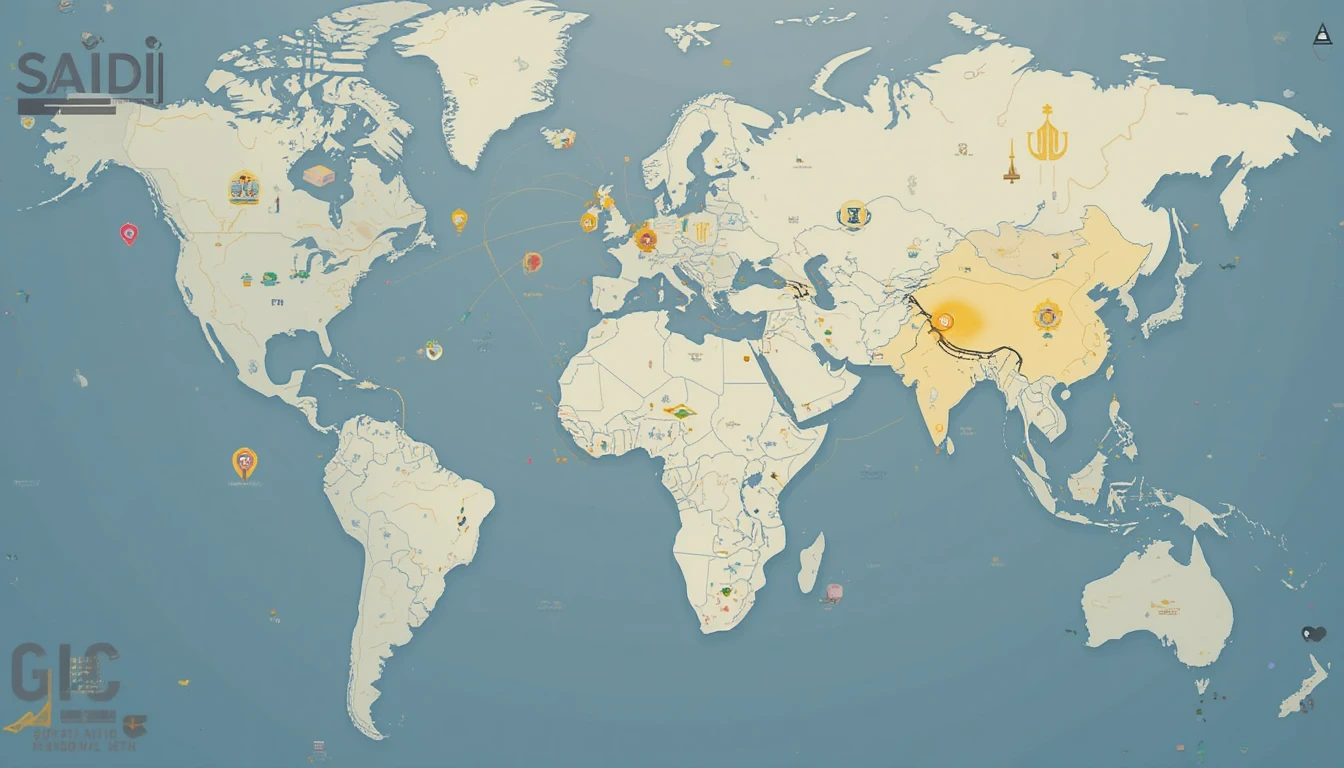
While challenges exist, the new defense pact between Pakistan and Saudi Arabia also opens a wide spectrum of opportunities. Unlike traditional alliances limited to arms and troops, this partnership can evolve into a multi-dimensional framework that extends its influence regionally and globally. If managed strategically, it could redefine both countries’ positions on the world stage.
Counter-Terrorism and Intelligence Sharing
One of the most immediate opportunities is enhanced counter-terrorism cooperation:
-
Pakistan has decades of experience in combating terrorism and insurgency, particularly after its long fight against extremist groups in the tribal areas.
-
Saudi Arabia, as a frequent target of terrorist attacks, requires robust intelligence and counter-radicalization support.
Through joint intelligence-sharing platforms, coordinated border security strategies, and cyber-monitoring units, both nations can strengthen their domestic security and contribute to broader global counter-terrorism efforts.
Defense Technology and Joint Production
The pact may pave the way for joint ventures in defense technology and arms production:
-
Pakistan has advanced indigenous defense industries such as aerospace (JF-17 Thunder jets), tanks, drones, and naval ships.
-
Saudi Arabia, through its Vision 2030, aims to localize 50% of its defense procurement.
By pooling resources, Pakistan and Saudi Arabia can create joint defense manufacturing hubs, reducing dependence on Western suppliers while boosting local economies.
Maritime Security and the Arabian Sea Nexus
The Arabian Sea and Red Sea are critical to global trade and energy supplies. A stronger defense pact allows both states to:
-
Protect oil shipping lanes from piracy and sabotage.
-
Strengthen the security of Gwadar Port (Pakistan) and Jeddah Port (Saudi Arabia) as strategic maritime hubs.
-
Coordinate naval patrols and joint exercises to secure sea lines of communication.
Such cooperation could position the alliance as a regional maritime security provider, enhancing stability in global trade.
Energy Security and Infrastructure Cooperation
Energy remains a natural area of synergy:
-
Pakistan relies heavily on Saudi oil and refined petroleum.
-
Saudi Arabia needs reliable defense partners to safeguard its energy infrastructure.
The defense pact enhances energy diplomacy, potentially leading to new oil refinery projects, energy pipelines, and renewable energy collaborations. With CPEC (China-Pakistan Economic Corridor) expanding, Riyadh could use Pakistan as a gateway to Central Asia and beyond.
Regional Peace Facilitation
The pact gives both nations leverage to act as mediators in regional disputes.
-
Pakistan has historically offered to mediate between Saudi Arabia and Iran, though with limited success.
-
A formal defense alliance may increase Pakistan’s credibility as a neutral facilitator while ensuring Riyadh’s security concerns are addressed.
This could elevate both as key peace brokers in a volatile Middle East-South Asia corridor.
Diplomatic Weight in International Forums
A united front between Pakistan and Saudi Arabia strengthens their voice in:
-
The Organization of Islamic Cooperation (OIC), where they can drive policies on Kashmir, Palestine, and Islamophobia.
-
The United Nations, particularly in lobbying for Muslim causes.
-
Emerging multilateral groups like BRICS+ or SCO, where their combined influence can counterbalance India’s and Western lobbying.
Together, they can push for greater Muslim representation in global decision-making.
Technology, Cybersecurity, and AI Cooperation
Beyond traditional defense, the pact could extend into next-generation security:
-
Cyber defense strategies to counter hacking and cyber-espionage.
-
Artificial Intelligence (AI)-driven surveillance, drones, and smart defense systems.
-
Knowledge-sharing through joint tech labs, military academies, and research centers.
Saudi Arabia’s investment power combined with Pakistan’s young tech talent can create a unique defense-tech partnership with global market potential.
Soft Power and Humanitarian Diplomacy
The defense pact also opens doors for soft power cooperation:
-
Joint humanitarian missions in Muslim-majority conflict zones.
-
Coordinated disaster relief (earthquakes, floods, pandemics).
-
Funding of educational and cultural projects to project an image of Islamic unity and solidarity.
Such moves enhance both countries’ reputations as responsible global actors.
Why These Opportunities Are Transformational
Unlike transactional alliances, the Pakistan and Saudi Arabia defense pact has the ability to grow into a strategic partnership with global reach. By combining Pakistan’s defense expertise with Saudi Arabia’s financial and energy clout, the two nations can extend their influence from South Asia to the Middle East, Africa, and beyond.
Handled smartly, this pact could turn Pakistan and Saudi Arabia into pillars of stability in an uncertain world.
Israeli Aggression and Its Impact on the Pakistan and Saudi Arabia Defense Pact

One of the most under-discussed yet critical dimensions of the Pakistan and Saudi Arabia defense pact is its connection to Israeli aggression in the Middle East. While much of the coverage frames the agreement as a bilateral defense arrangement, in reality, the Pakistan and Saudi Arabia defense pact also acts as a strategic response to instability fueled by Israel’s actions against neighboring Muslim states.
Historical Context: From 1948 to Present
The Pakistan and Saudi Arabia defense pact cannot be separated from the long arc of Middle Eastern conflicts where Israel has played a central role:
-
1948–1973 Arab-Israeli wars, where Arab states repeatedly suffered military defeats at the hands of Israel.
-
The Palestinian struggle, which has always shaped Saudi and Pakistani policy toward Israel.
-
The 1982 Lebanon invasion and subsequent Gaza conflicts, which exposed Israel’s willingness to use overwhelming military force.
-
Recent escalations in Gaza and beyond, which have stirred anger across the Muslim world, including Pakistan.
This history underlines why the Pakistan and Saudi Arabia defense pact is not only a military agreement but also a political statement of Muslim solidarity against Israeli aggression.
Saudi Arabia’s Security Anxiety
For Riyadh, the Pakistan and Saudi Arabia defense pact is partly driven by concern over Israel’s expanding influence:
-
Israel’s intelligence networks in the Gulf are seen as a direct threat.
-
India–Israel defense cooperation creates a dual challenge, since India is Pakistan’s rival.
-
The fear that Israel could extend covert operations into Saudi Arabia or its allies.
By aligning with Islamabad, Saudi Arabia leverages the Pakistan and Saudi Arabia defense pact to send a clear deterrence signal: that the Muslim world’s only nuclear power is a strategic partner in protecting Islamic sovereignty.
Pakistan’s Position on Israel
Pakistan has consistently refused to recognize Israel and maintains a firm pro-Palestinian stance. The Pakistan and Saudi Arabia defense pact strengthens this position by:
-
Giving Islamabad a larger platform to support Muslim causes militarily and diplomatically.
-
Reinforcing Pakistan’s Islamic identity as a protector of Muslim sovereignty.
-
Countering the India–Israel axis, which Pakistan views as a direct regional security challenge.
Implications of Israeli Aggression on the Pact
The impact of Israeli actions on the Pakistan and Saudi Arabia defense pact is far-reaching:
-
Strengthening Islamic Unity – Israel’s aggression creates a rallying point for Muslim nations, with the pact acting as a potential pan-Islamic defense umbrella.
-
Redefining Alliances – While some Arab states normalize ties with Israel, the Pakistan and Saudi Arabia defense pact represents an alternative path of resistance.
-
Symbolic Deterrence – The pact signals that aggression against one Muslim nation may draw in others, amplifying deterrence even without direct military action.
-
Western Pressure – The U.S. and other Western allies of Israel may see the pact as a counterweight, leading to possible diplomatic and economic pushback.
Possible Response Strategies
If Israeli aggression escalates further, the Pakistan and Saudi Arabia defense pact could provide a framework for joint action, including:
-
Coordinated military protection of critical infrastructure.
-
Joint diplomatic initiatives in the OIC and UN to challenge Israel.
-
Cybersecurity collaboration to counter Israeli intelligence operations.
-
Humanitarian assistance for Palestinians, backed by defense logistics.
These measures show how the Pakistan and Saudi Arabia defense pact can evolve from a bilateral defense agreement into a broader Islamic security shield.
Why Israel Is the Hidden Catalyst
Though rarely stated openly, Israel’s growing influence is a hidden catalyst behind the Pakistan and Saudi Arabia defense pact. With instability rising, Riyadh and Islamabad are making sure that the Muslim world does not remain fragmented or defenseless.
Ultimately, the Pakistan and Saudi Arabia defense pact is not just about two states — it is about building a unified response to Israeli aggression and ensuring that Muslim sovereignty is protected across the region.
Conclusion and FAQ
Conclusion: The Strategic Future of Pakistan and Saudi Arabia

The Pakistan and Saudi Arabia defense pact is not just another bilateral agreement; it is a historic milestone in Islamic geopolitics. Rooted in religious solidarity, cultural ties, and mutual security interests, the pact pushes both nations into a new era of defense cooperation and regional leadership.
For Pakistan, the Pakistan and Saudi Arabia defense pact brings economic security, military investment, and enhanced regional influence. It also strengthens Pakistan’s role as the nuclear shield of the Muslim world, providing Riyadh and other Muslim allies with a credible deterrence against Israel aggression and Indian pressure.
For Saudi Arabia, the pact guarantees a trusted military partner at a time of uncertainty — from Israeli aggression in Palestine and Lebanon, Iran’s regional competition, and the unpredictability of Western alliances. The Pakistan-Saudi defense pact also aligns with Saudi Vision 2030, helping the Kingdom reduce its dependency on Western defense suppliers while promoting Islamic unity and Middle East stability.
Yes, risks exist. Islamabad must carefully balance relations with Iran, manage sectarian sensitivities, and avoid over-reliance on Riyadh’s financial leverage. But the opportunities outweigh the risks: from counterterrorism operations, maritime security, and cyber defense to joint defense technology projects and a stronger Islamic military identity.
Ultimately, the Pakistan and Saudi Arabia defense pact is both a shield and a statement — a shield against external threats like Israel aggression and Indian strategic maneuvers, and a statement that two of the Muslim world’s most powerful nations are ready to shape their own destiny in an uncertain century.
Frequently Asked Questions : The Strategic Future of Pakistan and Saudi Arabia
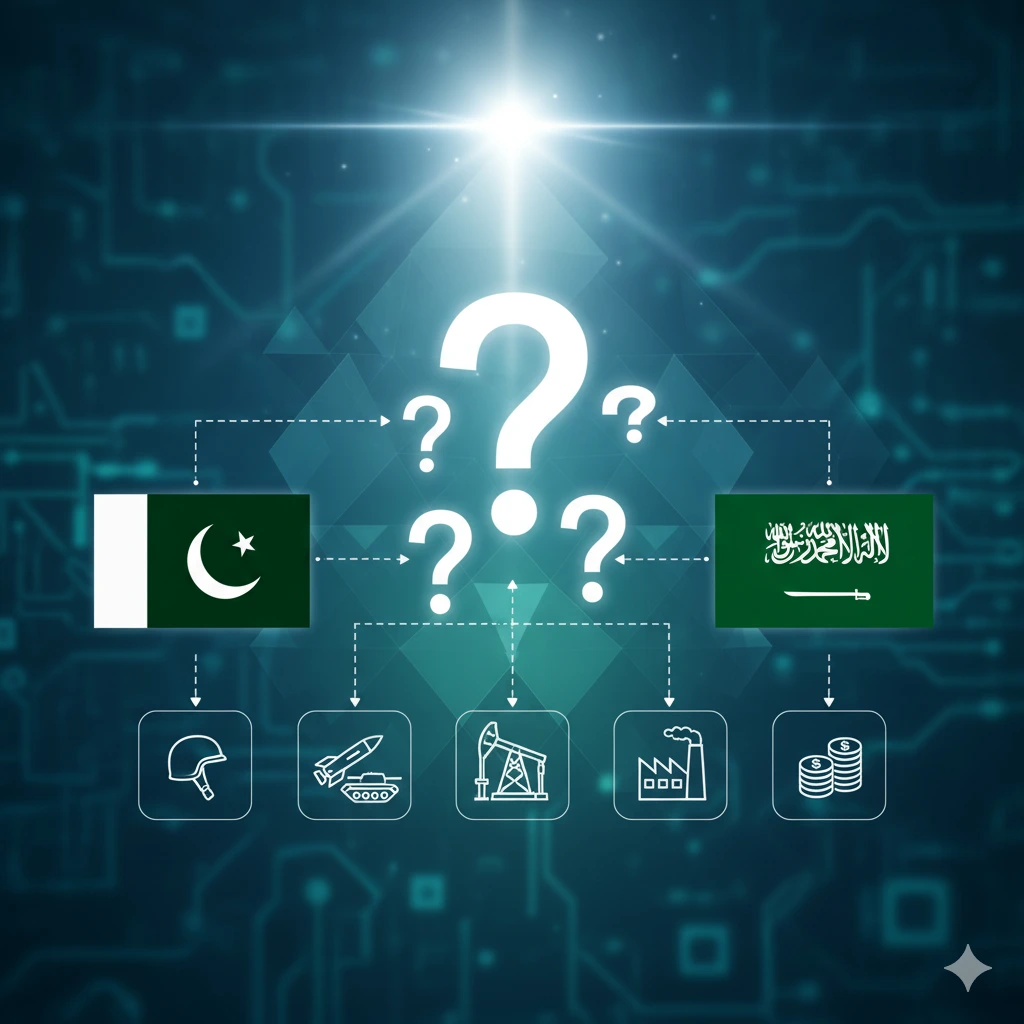
1. Why is the Pakistan and Saudi Arabia defense pact important?
The Pakistan and Saudi Arabia defense pact is significant because it formalizes decades of military cooperation, strengthens Muslim unity, and builds a powerful security axis in the Middle East and South Asia. It gives both nations strategic depth against external threats, particularly Israel aggression and Indian military pressure, while opening opportunities in defense, intelligence, and the economy. This pact also reinforces their leadership in shaping the Islamic defense alliance narrative.
2. How does Israeli aggression affect the defense pact?
Israeli aggression in Palestine, Lebanon, and neighboring Muslim states has pushed Saudi Arabia and Pakistan closer together. Riyadh realizes that unchecked Israeli military power undermines regional stability. By aligning with Pakistan — a nuclear power and a frontline defender of Muslim causes — Saudi Arabia gains both deterrence and symbolic solidarity. The defense pact is Riyadh’s response to Israel’s hostile policies and its deepening ties with India.
3. What role does Iran play in this equation?
Iran remains a key regional factor. While Pakistan and Saudi Arabia are strategic partners, Islamabad must balance ties with Tehran to avoid sectarian friction at home. The defense pact is not explicitly anti-Iran, but it inevitably shifts the geopolitical balance in the Middle East, with implications for Sunni-Shia dynamics, Gulf security, and Muslim unity.
4. Can this pact impact India’s strategy?
Yes. India’s strategy will be directly influenced by the growing Pakistan-Saudi Arabia defense pact. India has cultivated strong ties with Israel and expanding defense trade with Riyadh. But a reinforced Islamabad-Riyadh axis may force New Delhi to:
-
Deepen its Israel partnership,
-
Align more closely with the U.S.,
-
Expand influence in the Gulf security architecture.
This creates a new security competition in South Asia and the Middle East.
5. Will Pakistani troops be stationed in Saudi Arabia?
Historically, Pakistani troops have served in Saudi Arabia as trainers and advisors. Under the new defense pact, this cooperation will likely continue, but Pakistan will remain cautious about entering foreign combat operations (like Yemen). Instead, the focus will be on joint defense exercises, counterterrorism, and border security — enhancing Muslim defense cooperation without direct intervention.
6. How does this pact benefit Pakistan economically?
For Pakistan, the Saudi defense pact is not only military but also economic. Islamabad secures access to Saudi investments, energy support, and oil on deferred payments, while remittances from Pakistani workers in the Kingdom remain vital. Enhanced defense collaboration could lead to joint arms production under Saudi Vision 2030, giving Pakistan economic stability while funding its defense modernization.
7. Is this pact part of Saudi Vision 2030?
Yes, indirectly. Saudi Vision 2030 emphasizes reducing dependency on Western defense suppliers. By partnering with Pakistan’s defense industry, Riyadh localizes production, enhances military self-reliance, and contributes to a regional security framework. The pact aligns perfectly with Saudi Arabia’s long-term goals of modernization, defense diversification, and Islamic solidarity.
8. Does the pact signal a new Islamic military alliance?
While bilateral in nature, the Pakistan-Saudi Arabia pact could be the blueprint for a broader Islamic defense alliance. Muslim nations facing Israel aggression, Indian expansion, and Western policy shifts may see this as a model. Over time, it may evolve into a collective Islamic security architecture, strengthening Muslim unity against external threats.
9. How does the defense pact affect global security?
Globally, the Pakistan and Saudi Arabia defense pact shows that Muslim nations are taking independent security measures instead of relying on Western powers. This may inspire other regional blocs, alter U.S. and NATO influence, and impact Middle East geopolitics. It sends a clear signal that Islamic nations can lead their own security frameworks in response to Israel aggression and shifting power balances.
10. What is the long-term outlook of the Pakistan and Saudi Arabia defense pact?
The long-term success of the Pakistan-Saudi defense pact depends on risk management and strategic execution. If sustained, it could create a powerful Muslim security axis stretching from South Asia to the Arabian Peninsula. This alliance could counterbalance India-Israel cooperation and reshape the geopolitical order in the Islamic world.
11. How does Saudi Arabia view Israeli aggression in the region?
Saudi Arabia views Israeli aggression in Gaza, Syria, and Lebanon as a direct threat to Muslim sovereignty and regional stability. Past flirtations with normalization have been overshadowed by Israel’s continued hostility. By aligning with Pakistan, Riyadh strengthens its defense shield and underscores Islamic unity against Israel’s policies.
12. What is Pakistan’s position on Israeli aggression?
Pakistan has consistently condemned Israel’s aggression and refuses recognition until Palestinian rights are restored. By forging a defense pact with Saudi Arabia, Islamabad reaffirms its role as a protector of Muslim causes and a leading voice for Palestinian statehood in the OIC and UN.
13. How could Israeli-Indian cooperation affect Pakistan and Saudi Arabia?
Israeli-Indian cooperation poses dual risks:
-
Strengthening India’s cyber, intelligence, and conventional military capabilities against Pakistan.
-
Pulling Saudi Arabia closer to India in energy and trade ties.
The defense pact ensures Riyadh stays aligned with Islamabad, countering both Indian expansion and Israeli outreach in the region.
14. Does Saudi Arabia see Pakistan as a counterbalance to Israel?
Yes. Though not officially declared, Saudi Arabia views Pakistan as a strategic counterbalance to Israel. Pakistan’s nuclear deterrence, professional military, and Islamic identity make it Riyadh’s strongest defense partner against Israeli and Indian pressures.
15. How does India perceive the Pakistan and Saudi Arabia defense pact?
India is cautious. While New Delhi values its economic ties with Riyadh, the special defense role of Pakistan could spark Indian concerns. In response, India is likely to:
-
Expand military collaboration with Israel,
-
Strengthen ties with the U.S.,
-
Increase influence in Gulf security arrangements.
This sets up a three-way regional rivalry: Pakistan-Saudi Arabia vs. India-Israel-U.S.
16. Could Israeli aggression push more Muslim nations toward alliances like this pact?
Absolutely. Each wave of Israel aggression fuels Muslim solidarity. If the Pakistan-Saudi pact succeeds, it may inspire Turkey, Qatar, Egypt, or Malaysia to join or form parallel Islamic defense alliances, strengthening a collective Muslim front.
17. What risks do Pakistan and Saudi Arabia face if Israel perceives this pact as hostile?
If Israel interprets the pact as hostile, it may retaliate with:
-
Cyberattacks on Pakistan and Saudi infrastructure,
-
U.S. lobbying to pressure both states,
-
Strengthened India-Israel defense partnership.
This makes it crucial for Islamabad and Riyadh to frame the pact as defensive while still asserting their security priorities.
18. How does this pact affect the Palestine question?
The pact boosts the Palestine cause by showcasing Islamic solidarity. Together, Pakistan and Saudi Arabia can pressure Israel through diplomatic channels like the OIC, UN, and Arab League. While not an immediate military intervention, the alliance reinforces Palestinian statehood as a central part of the Islamic geopolitical agenda.