
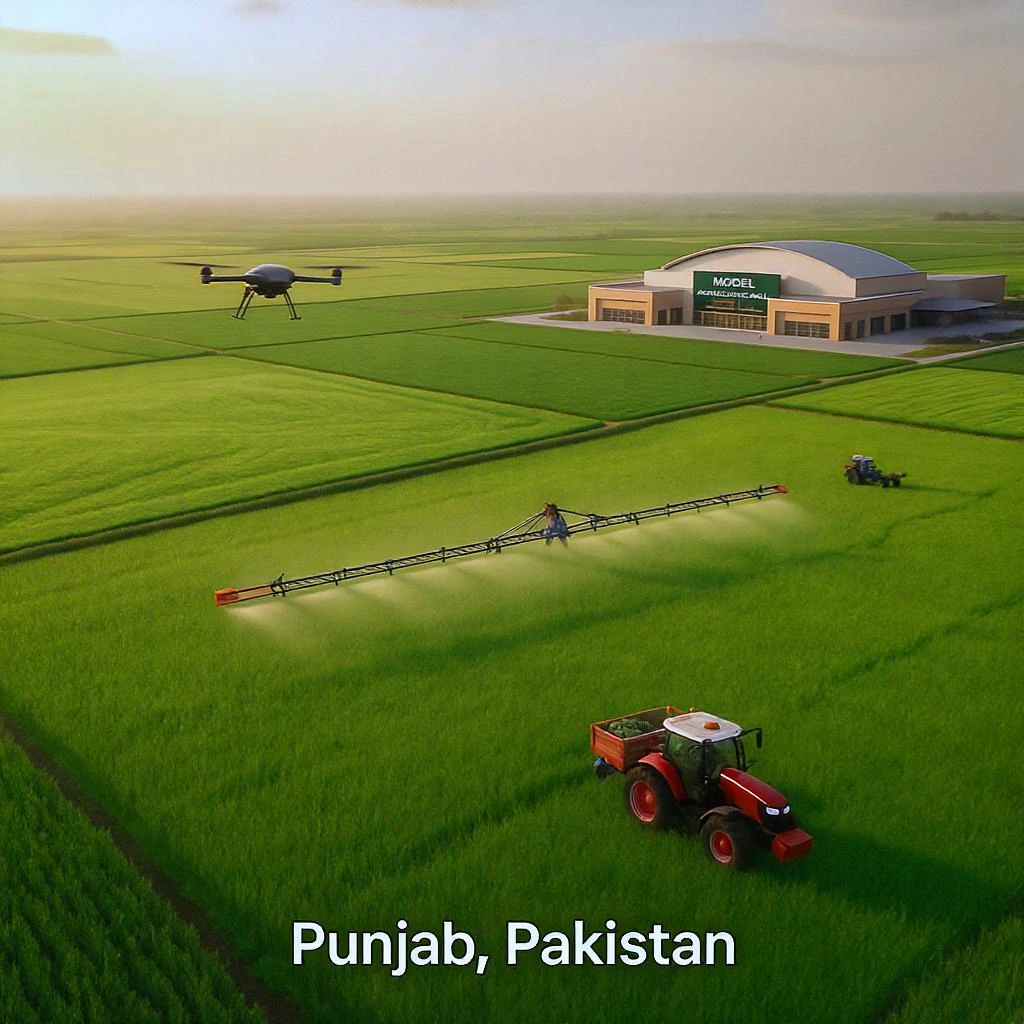
Agriculture in Pakistan is entering a new era of transformation in 2025, driven by groundbreaking initiatives such as Model Agriculture Malls, the CM Punjab Kissan Card, climate-smart and sustainable farming projects, and large-scale mechanization schemes. These reforms aim to boost crop yields, lower production costs, improve resource efficiency, and give farmers direct access to modern technology, financial support, and expert guidance—paving the way for a stronger and more self-reliant agricultural sector.
Introduction
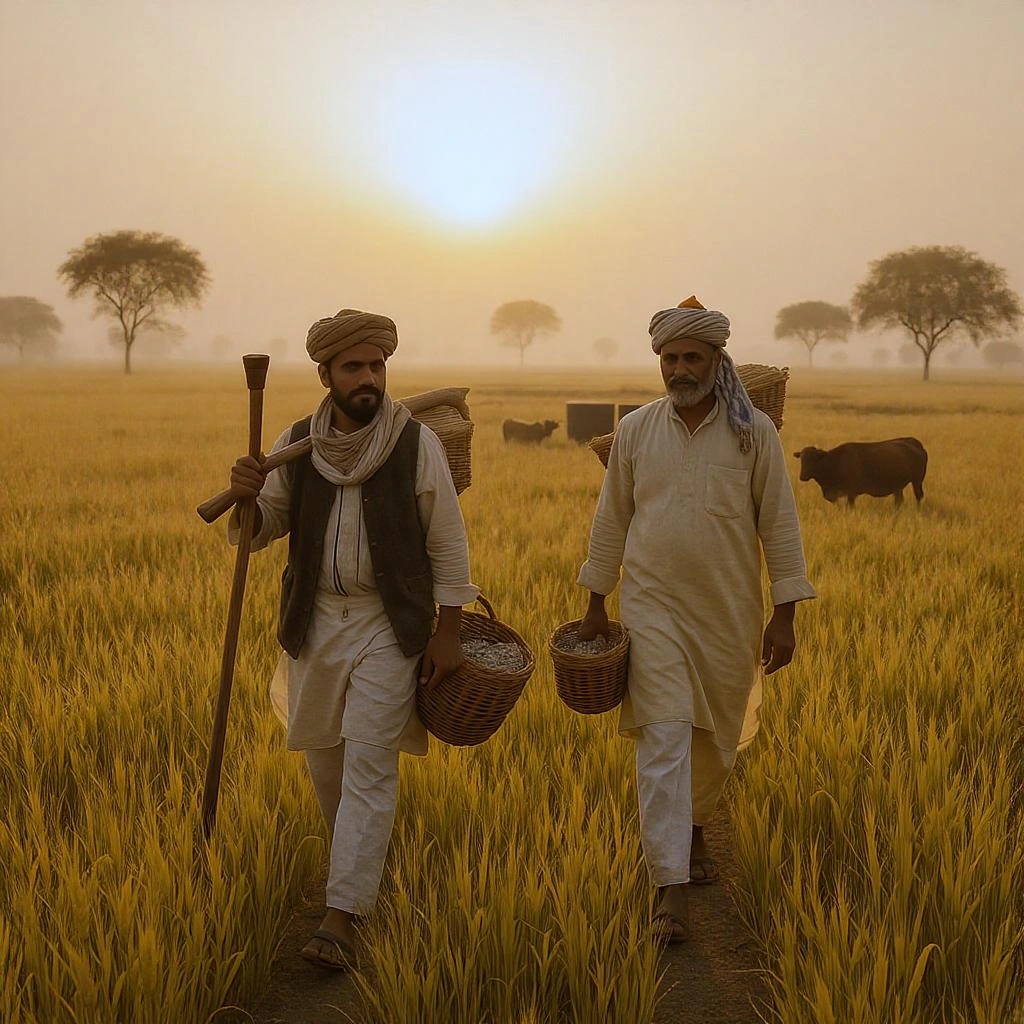
Agriculture in Pakistan has always been the backbone of the national economy. It sustains rural livelihoods, provides raw materials for industries, and ensures food security for over 240 million people. In 2025, the sector contributes nearly 20% to GDP and employs about 40% of the country’s labor force.
However, traditional farming methods, small landholdings, climate change, and water scarcity have limited productivity for decades. Recognizing these challenges, the Punjab government—home to the majority of Pakistan’s agricultural output—has launched a series of groundbreaking initiatives to modernize farming. These include Model Agriculture Malls, Kissan Cards, climate-smart farming programs, and large-scale mechanization support.
The Role of Agriculture in Pakistan’s Economy
-
GDP Contribution: Around 19–20% of national GDP.
-
Employment: Nearly 4 out of every 10 Pakistanis work in agriculture.
-
Industrial Linkages: Supplies cotton to the textile industry, sugarcane to sugar mills, and food crops for domestic and export markets.
-
Export Revenue: Rice, fruits, vegetables, and livestock products generate billions in annual export earnings.
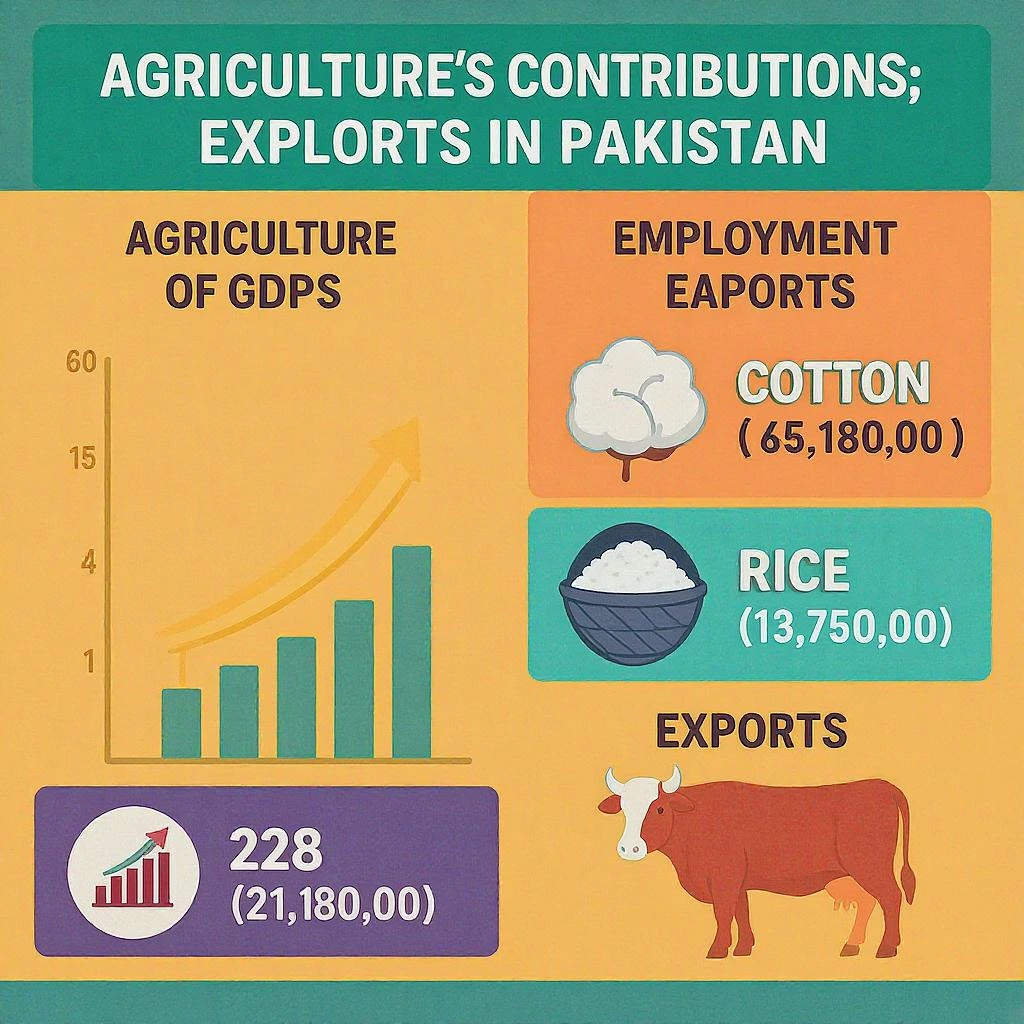
With agriculture in Pakistan serving as a cornerstone for both economic stability and rural development, its modernization has become a national priority. The sector not only sustains millions of livelihoods but also fuels key industries such as textiles, food processing, and exports. By adopting modern farming techniques, improving access to advanced machinery, enhancing irrigation efficiency, and integrating financial support systems, Pakistan can unlock higher productivity, ensure food security, and strengthen its position in global agricultural markets—making this transformation essential for long-term national growth.
Punjab’s Flagship Initiative: Model Agriculture Malls
In August 2025, Chief Minister Maryam Nawaz launched the Model Agriculture Mall project—a one-stop solution for farmers. The first four districts to benefit are:
-
Multan – A hub for cotton, wheat, and mango production.
-
Bahawalpur – Known for cotton, rice, dates, and sunflower crops.
-
Sargodha – The citrus capital of Pakistan, also producing wheat and vegetables.
-
Sahiwal – A major wheat, cotton, and dairy-producing district.
Services Offered at Model Agriculture Malls:
-
Machinery Rentals: Tractors, planters, harvesters, and laser land levelers.
-
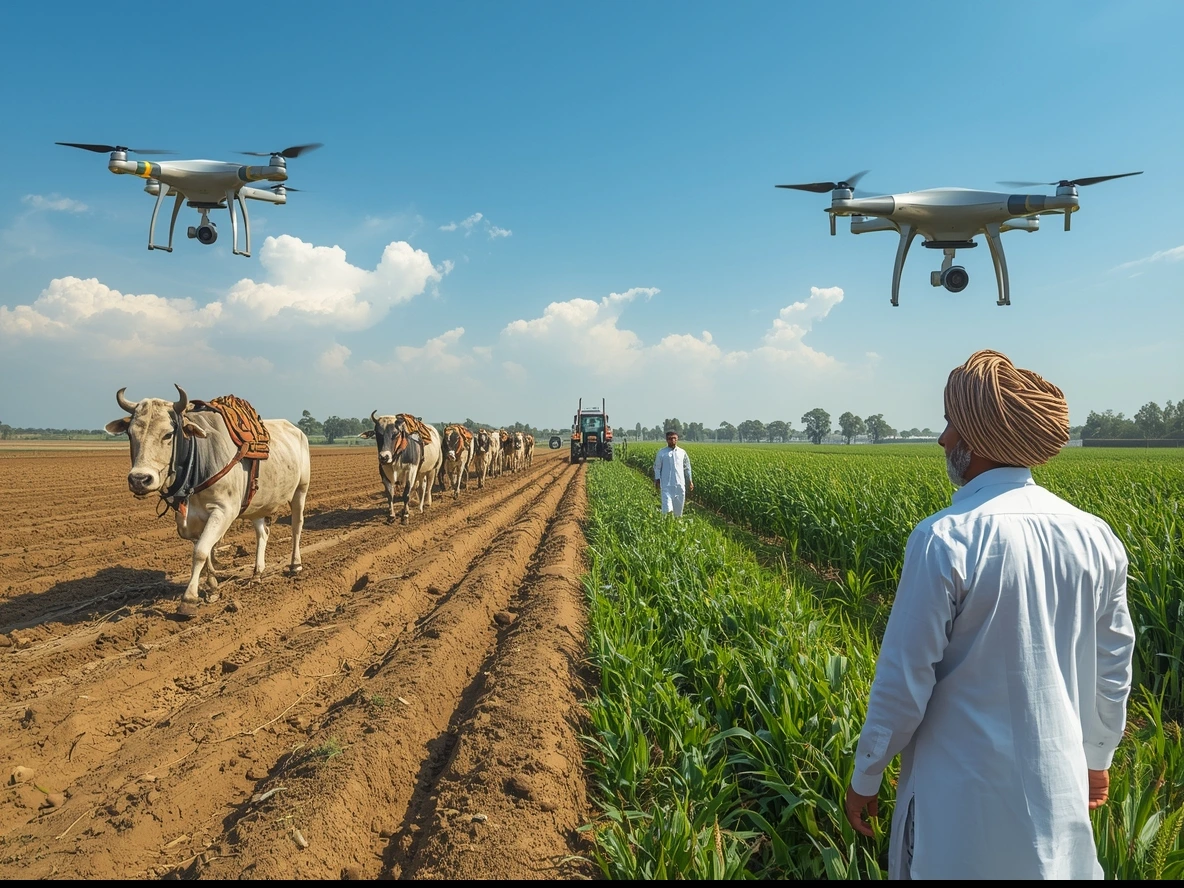
Drone Spraying: Precision application of pesticides and fertilizers.
-
Quality Inputs: Certified seeds, fertilizers, and pesticides.
-
Soil & Water Testing: On-site labs to guide nutrient management.
-
Financial Support: Integration with the CM Punjab Kissan Card for easy loan access.
-
Advisory Desks: Expert agronomists to help farmers plan and manage crops.
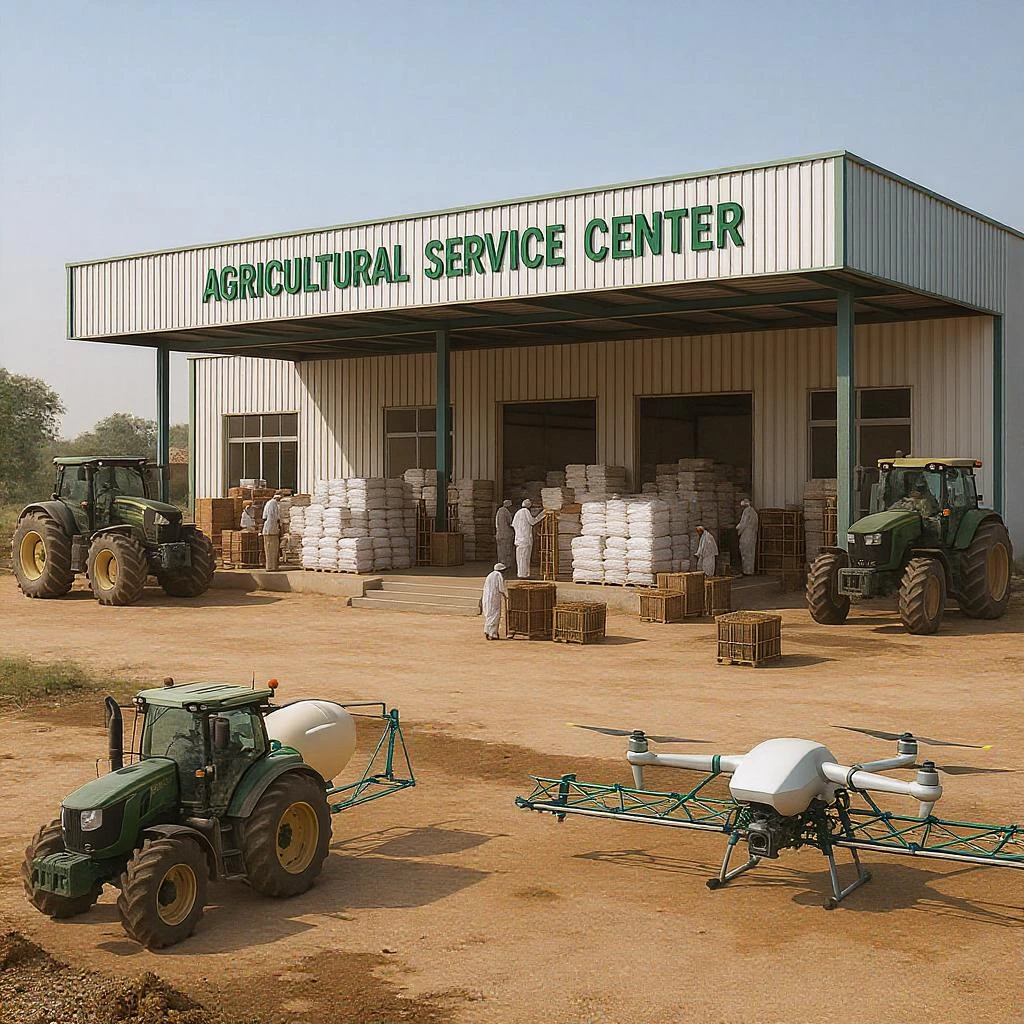
The objective is to reduce dependence on middlemen, cut costs, and improve farm productivity through technology and financial inclusion.
Expansion Beyond Four Districts
The first phase covers four districts, but the Punjab government plans to expand the Model Agriculture Mall network to 10 additional districts. These hubs will serve as integrated farming support centers, ensuring equal access to resources for farmers in both central and southern Punjab.
Climate-Friendly Model Farms
Following a Lahore High Court directive to reduce smog, Punjab is establishing environment-friendly model farms in all districts.
Key Practices Demonstrated:
-
Using super seeders and straw shredders to manage crop residues instead of burning.
-
Promoting zero-till farming to preserve soil health.
-
Demonstrating efficient irrigation methods to save water.
Budget Allocation: Rs 8 billion for 5,000 super seeders and 2,000 shredders.
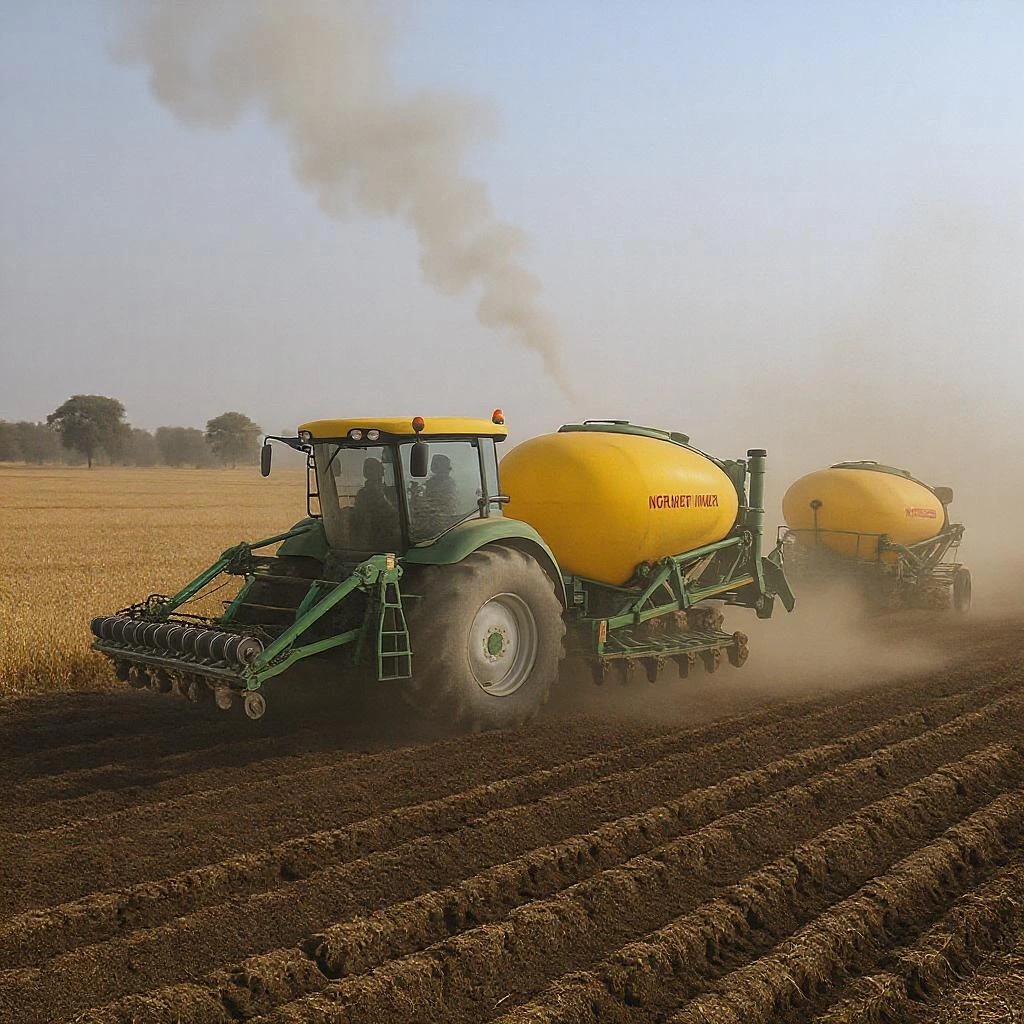
Canola Model Farms – Reducing Edible Oil Imports
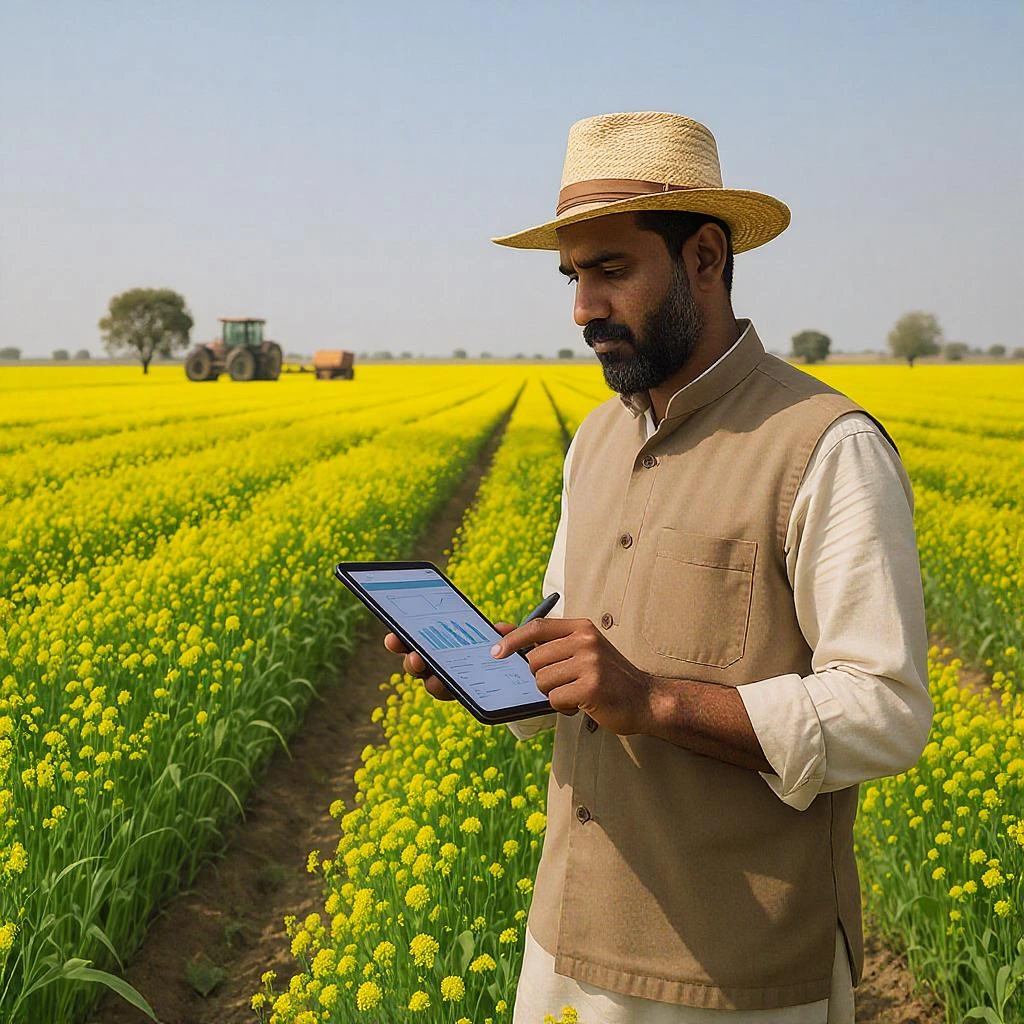
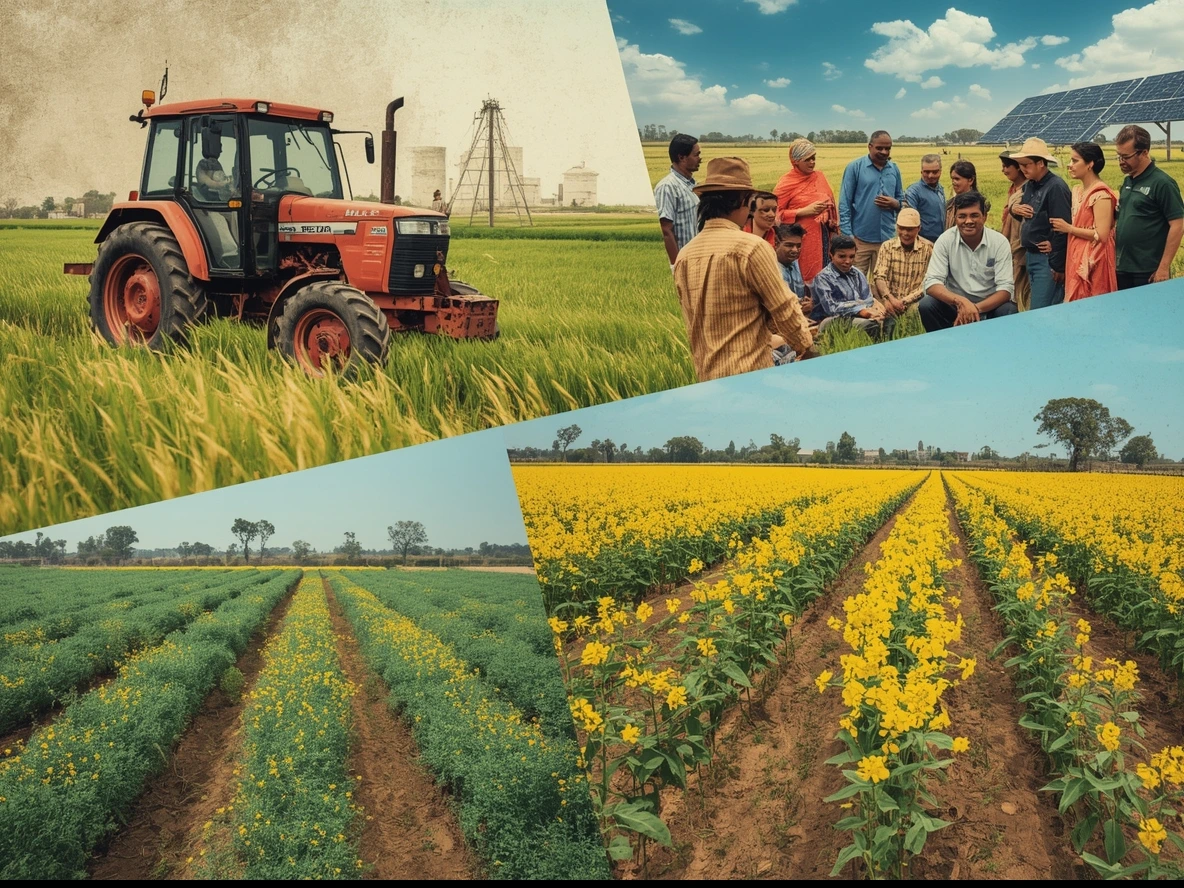
Pakistan spends billions annually on importing edible oils like soybean and canola. To address this, Punjab launched over 400 Canola Model Farms.
-
Financial Aid: Rs 30,000 per acre to participating farmers.
-
Target Areas: Bahawalnagar, Rajanpur, Mianwali, Faisalabad, Khanewal, Okara, Rahim Yar Khan, Sargodha, Sahiwal, and more.
-
Impact Goal: Enhance local oilseed production, reduce import bills, and encourage crop diversification.
Water-Efficient Irrigation in Rainfed Areas
Under the National Program for Enhancing Command Area in Barani Regions, Punjab is:
-
Building farm ponds for water storage.
-
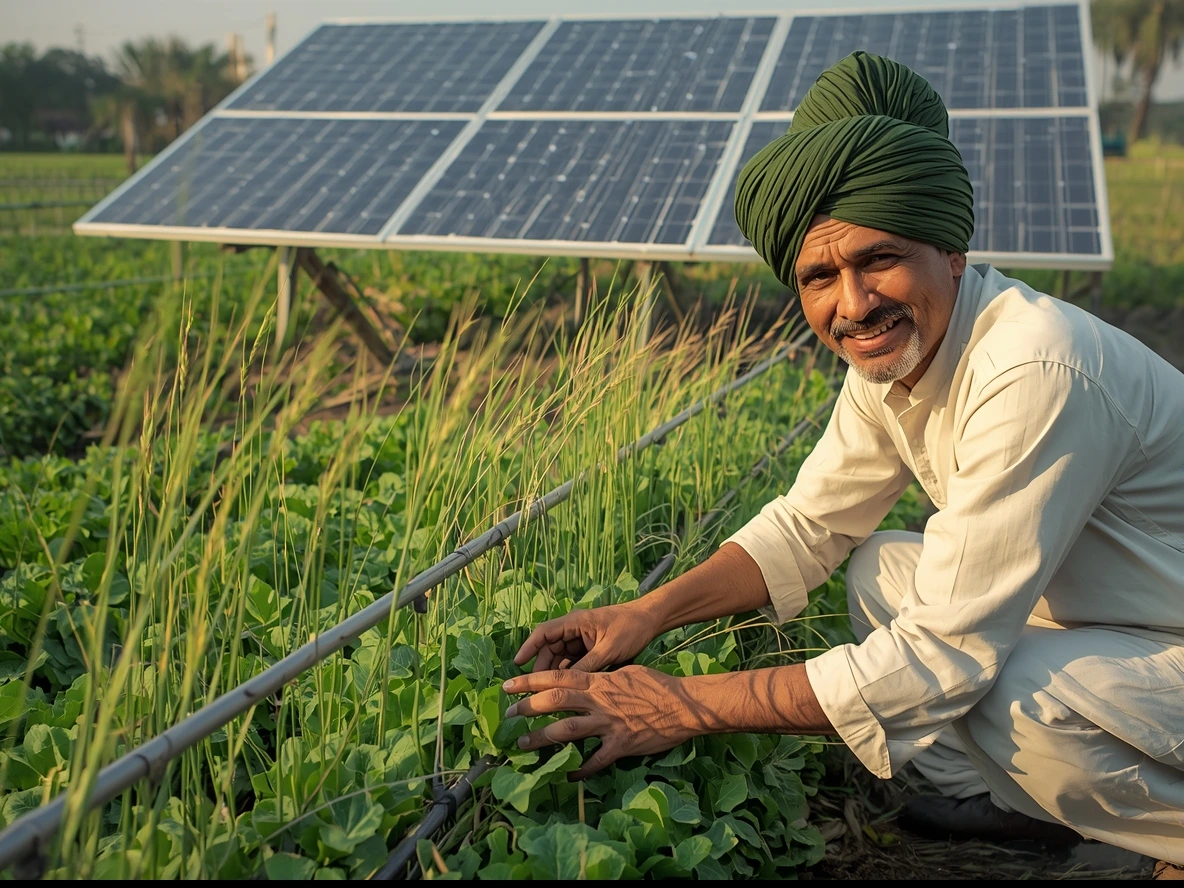
Installing solar-powered irrigation systems.
-
Digging wells to support drought-prone farming areas like Attock, Chakwal, Jhelum, Layyah, and Rajanpur.
This approach strengthens climate resilience and promotes sustainable agriculture in Pakistan.
Kissan Card – Financial Backbone of Modern Farming
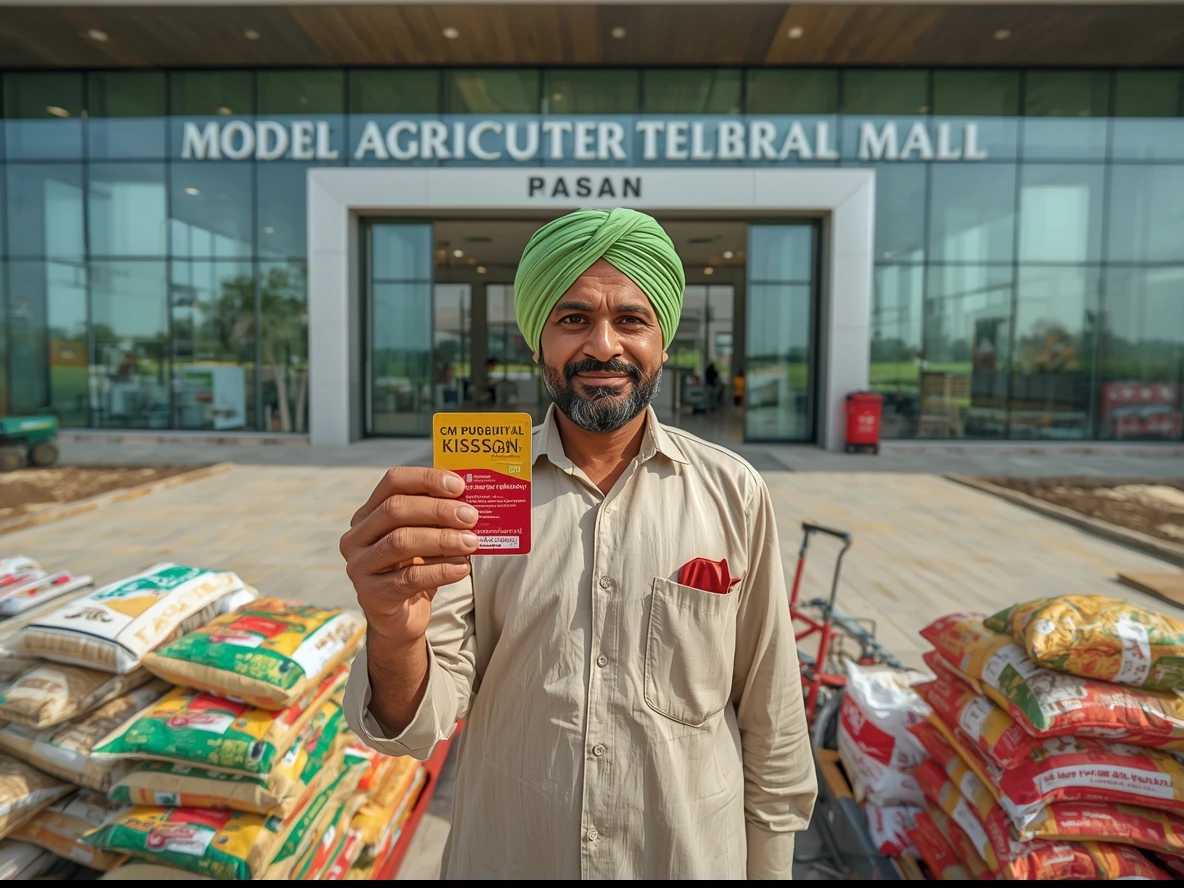
The CM Punjab Kissan Card is a financial tool that directly connects farmers to government subsidies and loans.
Key Features:
-
Loan Limit: Up to Rs 150,000 per season (Rs 30,000 per acre for up to 5 acres).
-
Eligibility: Farmers with 1–12.5 acres of land and a SIM registered in their name.
-
Registration: Simple SMS-based registration followed by biometric verification.
-
Integration: Usable at Model Agriculture Malls for purchasing inputs and booking services.
This card ensures transparency, faster loan access, and reduced corruption in subsidy distribution.
Major Government Schemes for Agriculture in 2025–26
Punjab’s agricultural budget for 2025–26 stands at Rs 80 billion, with a total allocation of Rs 123 billion for agriculture, livestock, and irrigation. Key programs include:
-
Green Tractor Scheme (Phase II): 20,000 tractors (50–85 HP) at subsidized rates.
-
High-Power Tractor Program: Rs 10 billion for large-scale farming equipment.
-
Solarization of Tube Wells: Rs 8.7 billion to reduce diesel costs.
-
Graduate Agriculture Internship Program: Rs 60,000 monthly stipends for agri-graduates assisting farmers.
-
Wheat Incentive Program 2025: Rs 5,000 per acre plus free machinery, seeds, and fertilizers.
-
Mechanization Investment: Rs 35 billion for loans up to Rs 50 million for agricultural service providers.
-
Crop Residue Management Program: Thousands of crop-residue machines to curb stubble burning.
Impact on Farmers
These initiatives are expected to:
-
Increase crop yields by up to 20–30%.
-
Lower input costs through subsidies and bulk procurement.
-
Improve soil and water health through sustainable practices.
-
Reduce post-harvest losses with modern harvesting technology.
-
Empower small farmers through financial inclusion and advisory support.
Challenges Ahead
While the reforms are ambitious, success depends on:
-
Farmer awareness and adoption of new technology.
-
Effective distribution of subsidies without political bias.
-
Maintenance of machinery and infrastructure.
-
Tackling climate risks like floods and droughts.
Conclusion
Agriculture in Pakistan is on the verge of a historic transformation in 2025. Punjab’s Model Agriculture Malls, Kissan Card, climate-smart model farms, and mechanization schemes represent a shift from traditional, low-yield practices to modern, technology-driven, and sustainable farming. If executed effectively, these programs will not only enhance food security but also elevate rural incomes, making Pakistan’s agriculture sector more competitive in global markets.
1 thought on “Latest agriculture reforms in Punjab 2025 : Agriculture in Pakistan 9 Key Reforms Transforming Farming”