
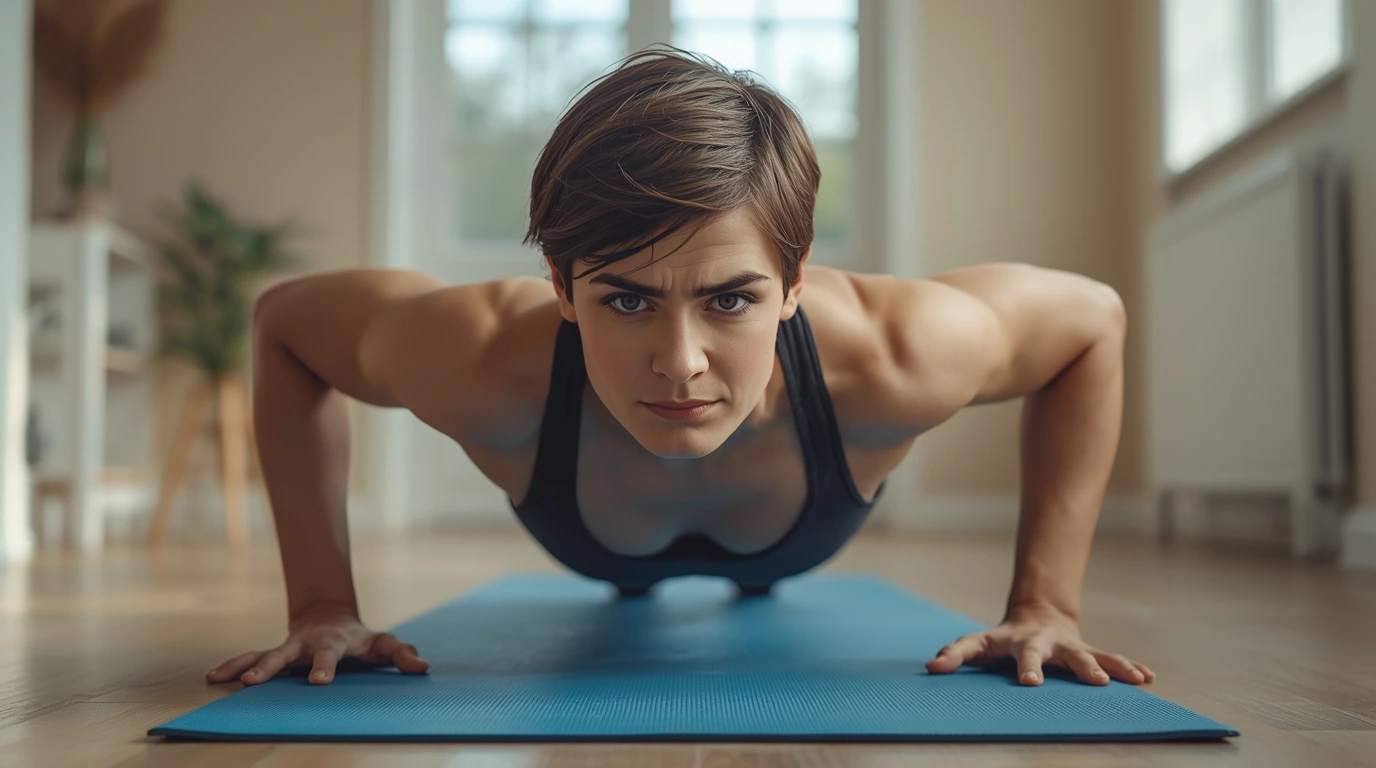
Calisthenics workout plan — the phrase might sound intense if you’re new to bodyweight training. Push-ups, pull-ups, dips… and then there are those eye-catching moves on Instagram — planches, front levers, handstands. But let’s pause for a second: you don’t need to master everything on day one. What you actually need is a structured, step-by-step calisthenics workout plan that builds full-body strength from the ground up.
Over the years, I’ve coached beginners who couldn’t even hang from a bar for more than ten seconds. Some didn’t know what a “progression” was — and yet, by sticking to a beginner-friendly calisthenics workout plan at home, they made steady progress. That’s the beauty of calisthenics: it rewards consistency and discipline, not expensive gym equipment.
In this guide, I’ll break down simple calisthenics progressions, show you how to train at home with zero gear, and share how real people — myself included — stayed consistent when motivation dipped. This isn’t theory; these are proven bodyweight exercises for beginners that actually work. Whether your goal is building strength, improving endurance, or starting a fitness journey from scratch, the right calisthenics workout plan can get you there.
From Zero to Pull-Ups: How to Build Strength with Calisthenics the Right Way
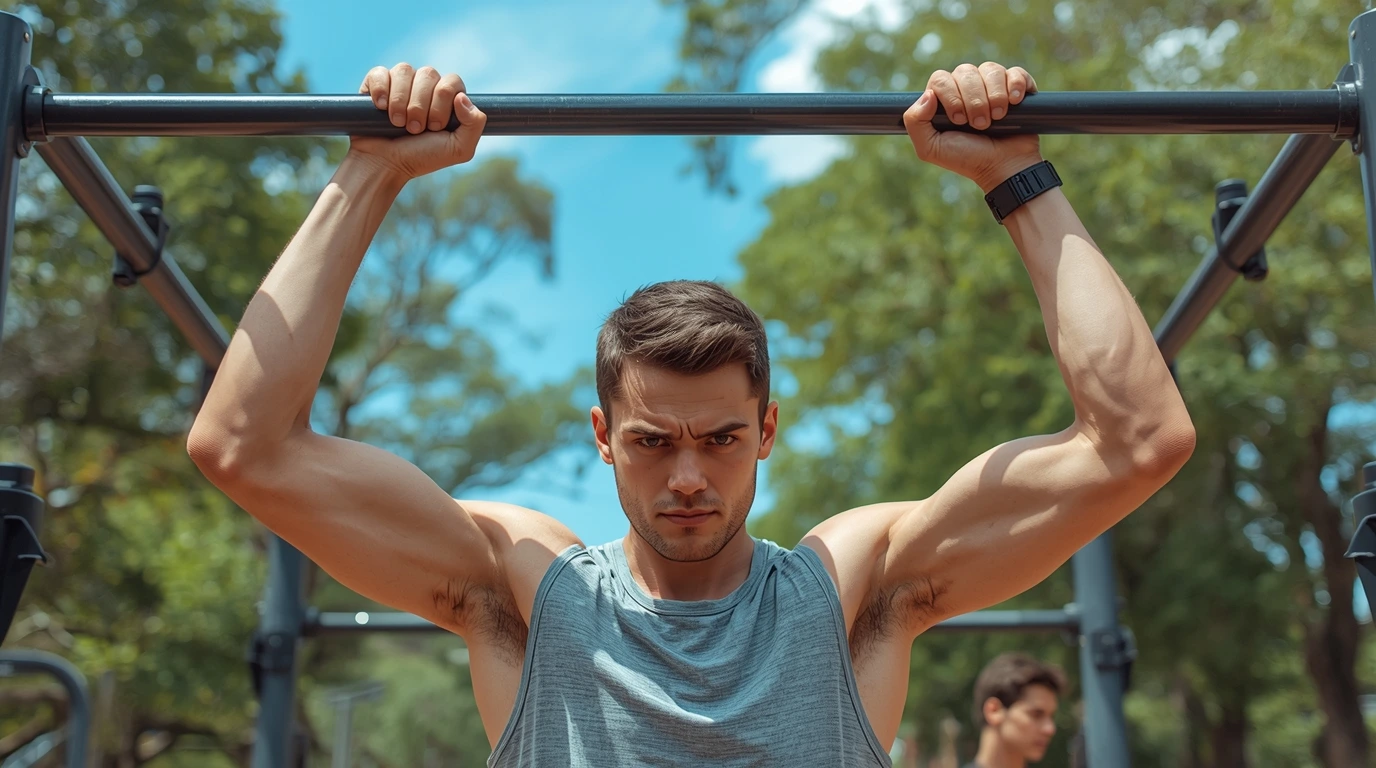
The pull-up is a milestone for almost every beginner. But here’s what most people get wrong: they try to do full pull-ups too soon, fail, and get discouraged. Calisthenics is about progression — starting with an easier version of an exercise, then making it harder over time.
Here’s how to approach it like a pro:
-
Start with dead hangs to build grip strength.
-
Move to scapular pull-ups (just shoulder movement).
-
Progress to negative pull-ups — jump up, lower yourself slowly.
-
When you can do 3–5 controlled negatives, you’re ready for your first full pull-up.
Consistency matters more than intensity. Two or three sessions a week is enough if you stay patient and keep improving your form and build strength with calisthenics.
Calisthenics Workout Plan for Total Beginners Made Simple: My Step-by-Step
When you’re new, fancy skills don’t matter. Strength and control do. Focus on basic movement patterns first: push, pull, core, and legs.
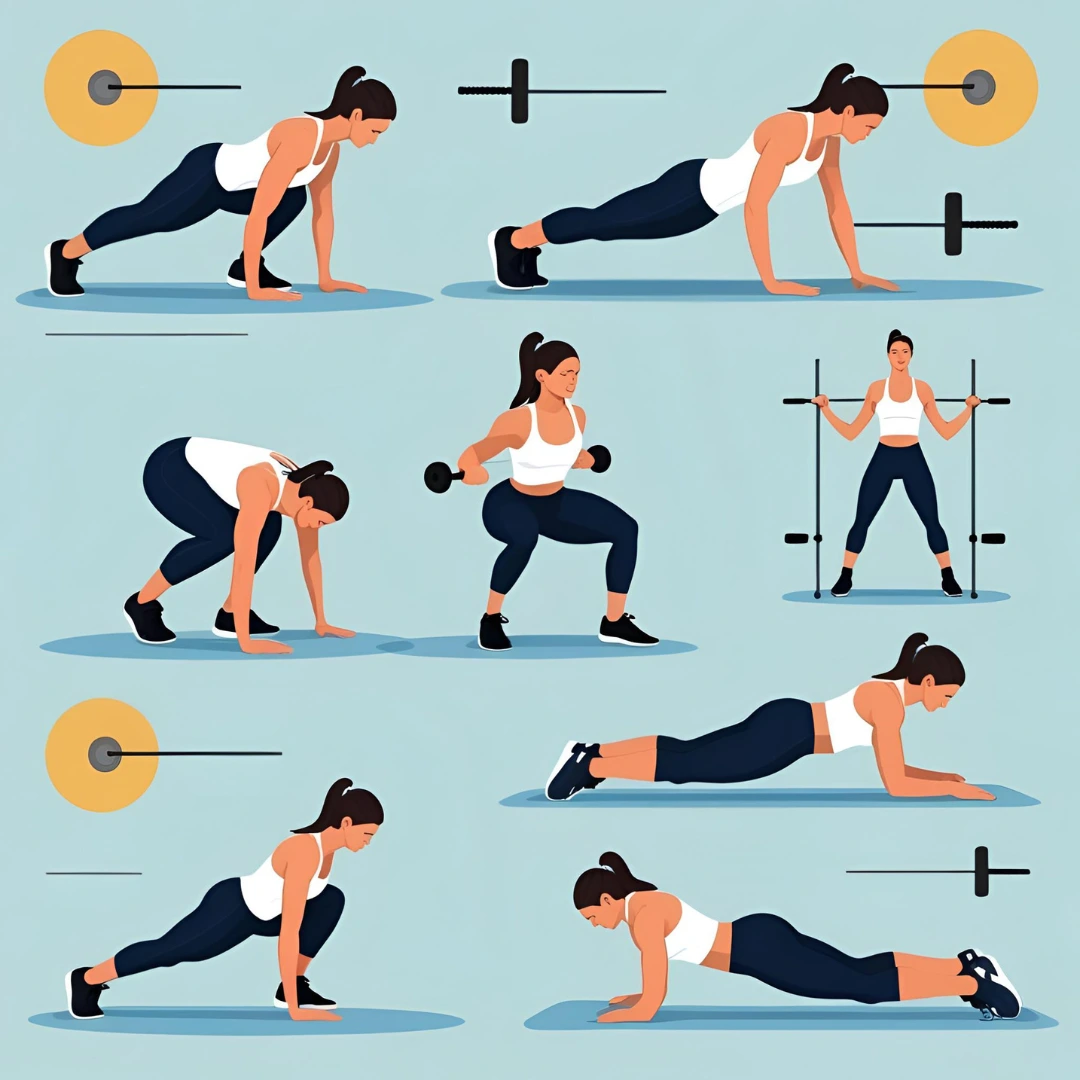
Here’s a simple full-body calisthenics workout plan for true beginners:
-
Push-ups (wall → incline → floor) – Builds chest, shoulders, and arms.
-
Rows or Australian pull-ups (low bar or table) – Strengthens your back.
-
Negative pull-ups or band-assisted pull-ups – Prepares you for full pull-ups.
-
Plank holds and hollow body holds – Builds core stability.
-
Bodyweight squats and lunges – Strengthens legs and mobility.
Do 2–3 sets per exercise, aiming for controlled reps rather than rushing. As you get stronger, progress to harder variations — that’s how you avoid plateaus.
Train Anywhere, No Equipment: A Practical Calisthenics Workout Plan
You don’t need a gym. A playground bar, a sturdy table edge, or even a doorframe pull-up bar is enough. For legs and core, you need nothing at all. Here’s an example minimal-equipment workout:
-
Incline push-ups on a park bench – 8 to 12 reps
-
Australian rows on a low rail – 6 to 10 reps
-
Assisted pull-up holds – 10 to 20 seconds
-
Plank to side-plank transitions – 30 seconds each side
-
Walking lunges – 8 to 10 each leg
Do this circuit 2–3 times. Simple, effective, and free.

Avoid Beginner Mistakes: How I Structured My First Calisthenics Workout Plan
Most people quit not because calisthenics is too hard — but because they expect results too fast. Here are the biggest mistakes I see:
-
Skipping basics — trying muscle-ups when you can’t do 5 push-ups.
-
Training every day with no recovery — your joints need rest to adapt.
-
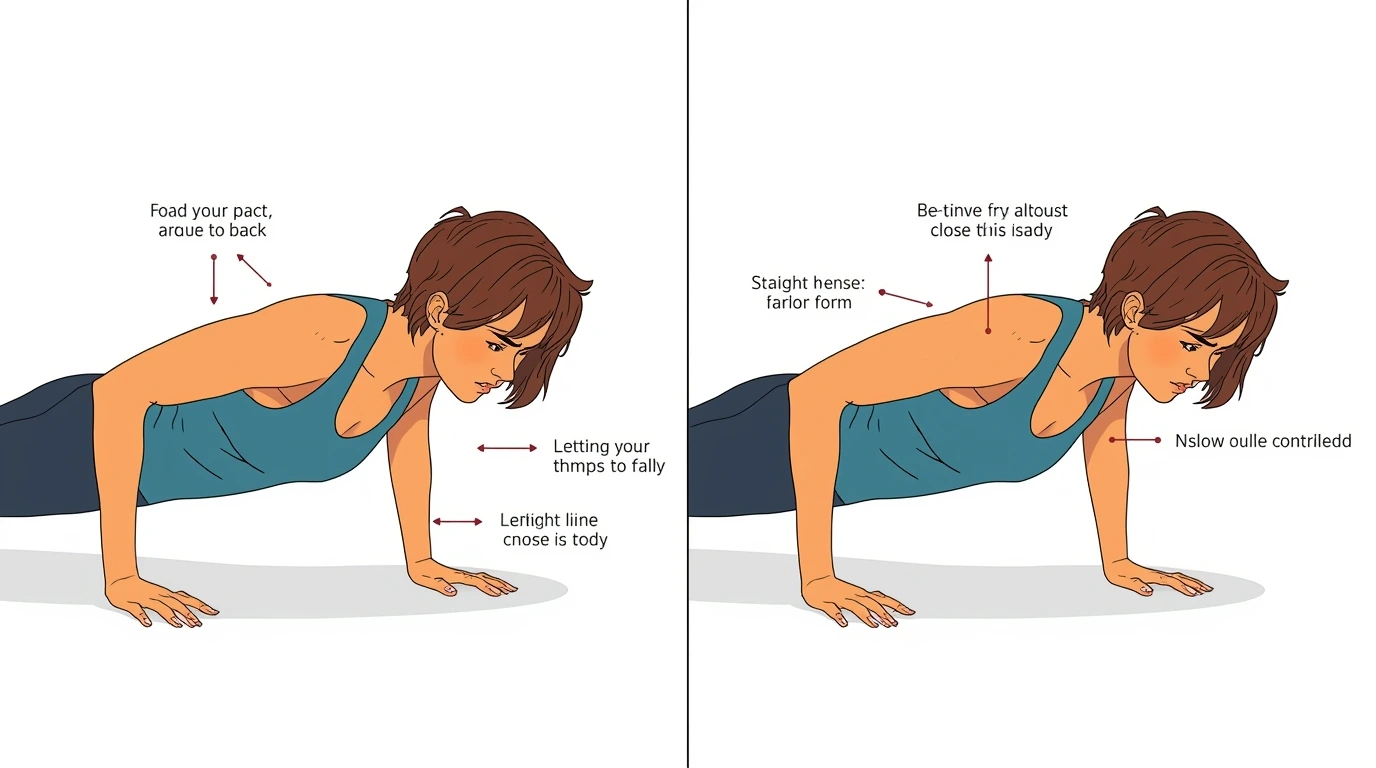
Poor form — chasing reps instead of control.
-
No progression plan — doing random exercises won’t work long term.
When I started, I made all these mistakes. Once I switched to a structured approach (tracking reps, improving technique each week), my strength exploded. Be patient — skill comes after strength.
Progress Without a Gym: Learn Calisthenics Like a Pro (Even If You’re New)
Calisthenics teaches you to control your body in space. That’s why it builds functional strength — the kind that carries over to everything else. If you want to accelerate progress, pair your workouts with proper nutrition. A protein-rich diet speeds recovery and muscle growth.
Check out my detailed 7-day protein diet plan for weight loss — it works perfectly even if your goal is lean strength instead of size.
Strength, Skill, and Simplicity: A Calisthenics Workout Plan That Actually Works
Your first 3–6 months should look boring — and that’s a good thing. Strength comes from repetition. By building a foundation of push-ups, rows, dips, and squats, you set yourself up for advanced moves later.
Stick to these principles:
-
Master the basics first.
-
Progress slowly but consistently.
-
Recover properly — rest is part of training.
-
Eat well to fuel growth.

The Complete Beginner’s Roadmap to Calisthenics Training
Think of your journey as three phases:
-
Foundation (Weeks 1–6): Learn perfect form on push, pull, core, legs.
-
Progression (Weeks 6–12): Move to harder variations — incline → floor push-ups, rows → negatives, hollow holds → hanging holds.
-
Skill Prep (After 3 months): Once strong, you can start exploring dips, pull-ups, and eventually fun skills like L-sits or handstands.
Master the Basics: Push-Ups, Pull-Ups, and More in One Simple Plan
Want a single workout you can repeat? Here’s one that hits every muscle group:
-
Push-ups (or incline if too hard) – 3 sets of 8–12
-
Rows (low bar or improvised surface) – 3 sets of 6–10
-
Assisted pull-up holds – 3 sets of 10–20 sec
-
Plank or hollow body hold – 3 x 30 sec
-
Bodyweight squats – 3 sets of 10–15
This covers everything: upper body, core, legs.
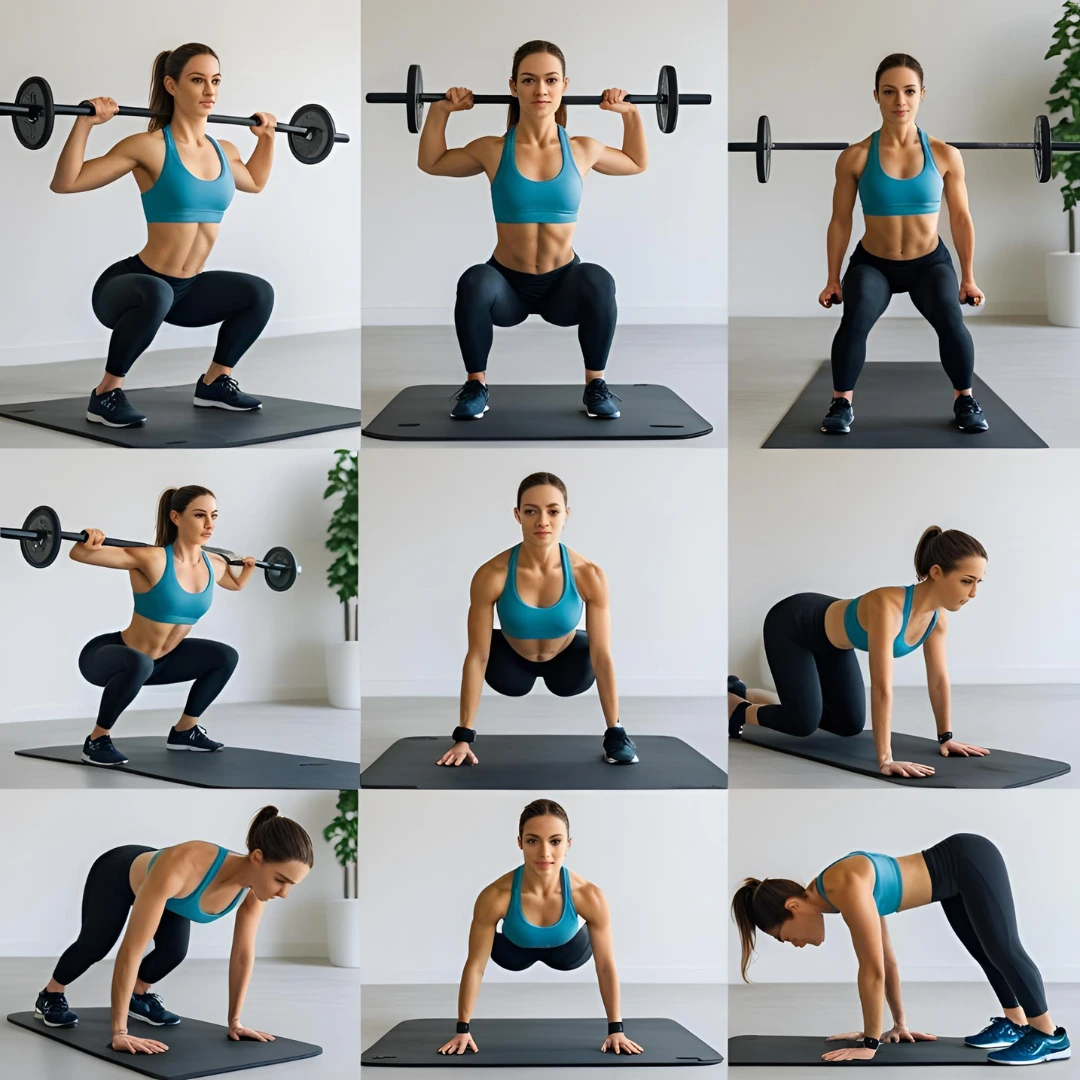
Start Strong: How to Build a Calisthenics Workout Plan You’ll Stick With
The hardest part is starting. Don’t wait to “get fit” before you train. Just begin — even if you can only do knee push-ups and hang for five seconds. Track your progress. Write down your reps. Celebrate small wins — your first full push-up, your first 15-second hang. These moments keep you motivated.
Conclusion: Your First Steps Toward Real Strength
Calisthenics isn’t about flashy skills — it’s about building real control over your body. If you stay consistent, follow progressions, and fuel your body with enough protein and recovery, you’ll be shocked at how strong you feel in just a few months. If you follow this calisthenics workout plan consistently, you’ll build strength every day and feel energetic.
Remember: basics first, patience always, progress forever.
Frequently Asked Questions (FAQ)
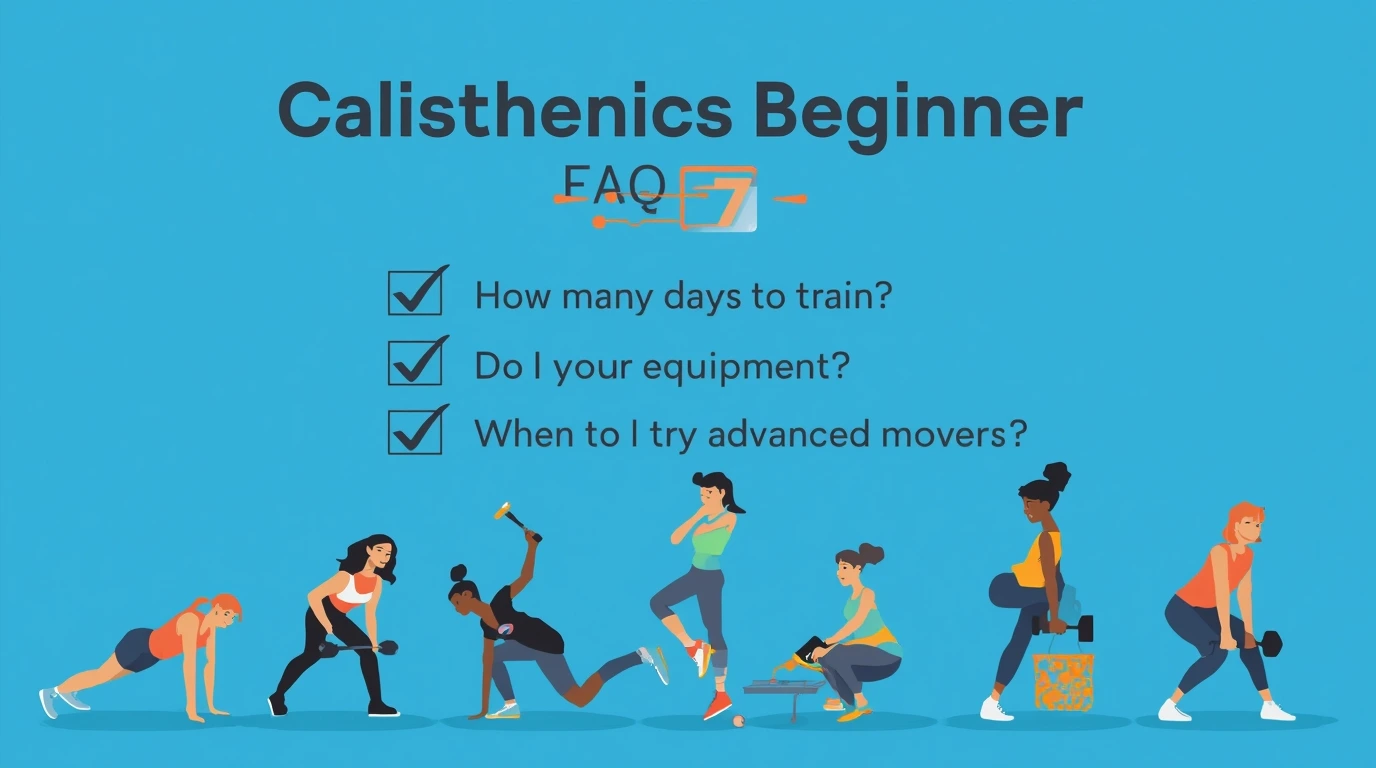
Q: How many days per week should I train as a beginner?
A: Two to three days is perfect. Focus on quality, not quantity. Recovery builds strength.
Q: Do I need equipment to start calisthenics?
A: No — you can train with just the floor, a wall, and a sturdy bar for hangs or rows.
Q: When can I try advanced moves like muscle-ups or planches?
A: Once you can do 8–10 clean pull-ups, 20 push-ups, and hold a plank for 60 seconds, you’ll have the strength base to start skill training.
Q: How should I eat to build muscle with calisthenics?
A: Prioritize protein and whole foods. Here’s a 7-day protein meal plan you can follow.
Q: Can calisthenics replace the gym completely?
A: Absolutely. With proper progressions, it builds strength, endurance, and mobility — no machines needed.
Q: What is the best calisthenics workout plan for beginners?
A: A beginner-friendly calisthenics workout plan should cover the basics: push-ups, rows, bodyweight squats, planks, and assisted pull-ups. Training 2–3 times per week with 2–3 sets of each move builds a solid foundation of strength and mobility without needing any special equipment.
Q: What is the best calisthenics workout plan for beginners?
A: A highly effective beginner calisthenics workout plan centers around foundational, bodyweight movements—like push-ups, squats, lunges, glute bridges, and planks—performed 2–3 times per week with a focus on gradual progression and proper form. For a professionally designed, equipment-free routine you can do anywhere, check out SELF’s guide to a beginner calisthenics workout that builds functional strength.
5 thoughts on “Calisthenics Workout Plan for Beginners That Really Works: Start Strong and Build Real Strength in 2025”