
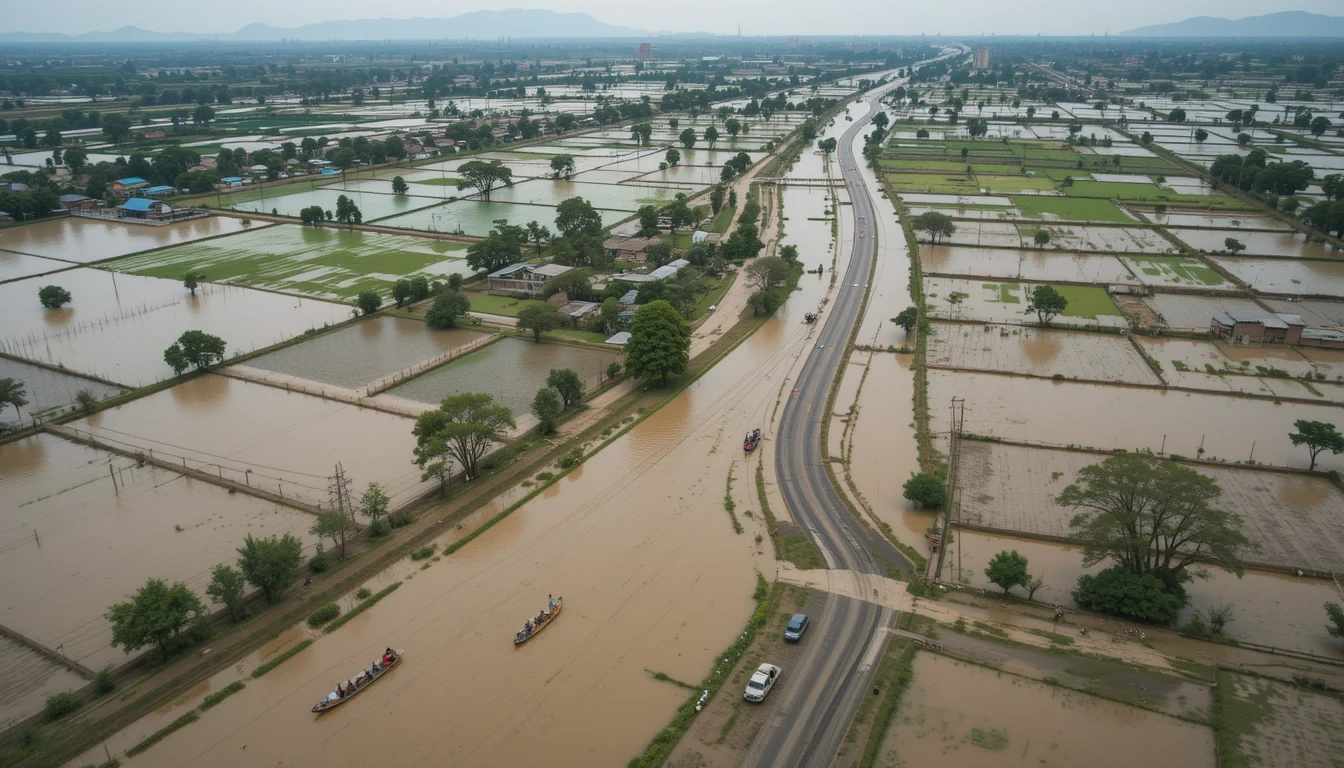
Climate change in Pakistan is causing floods, heatwaves, and water scarcity. Discover its causes, impacts, and solutions to build a climate-resilient future.
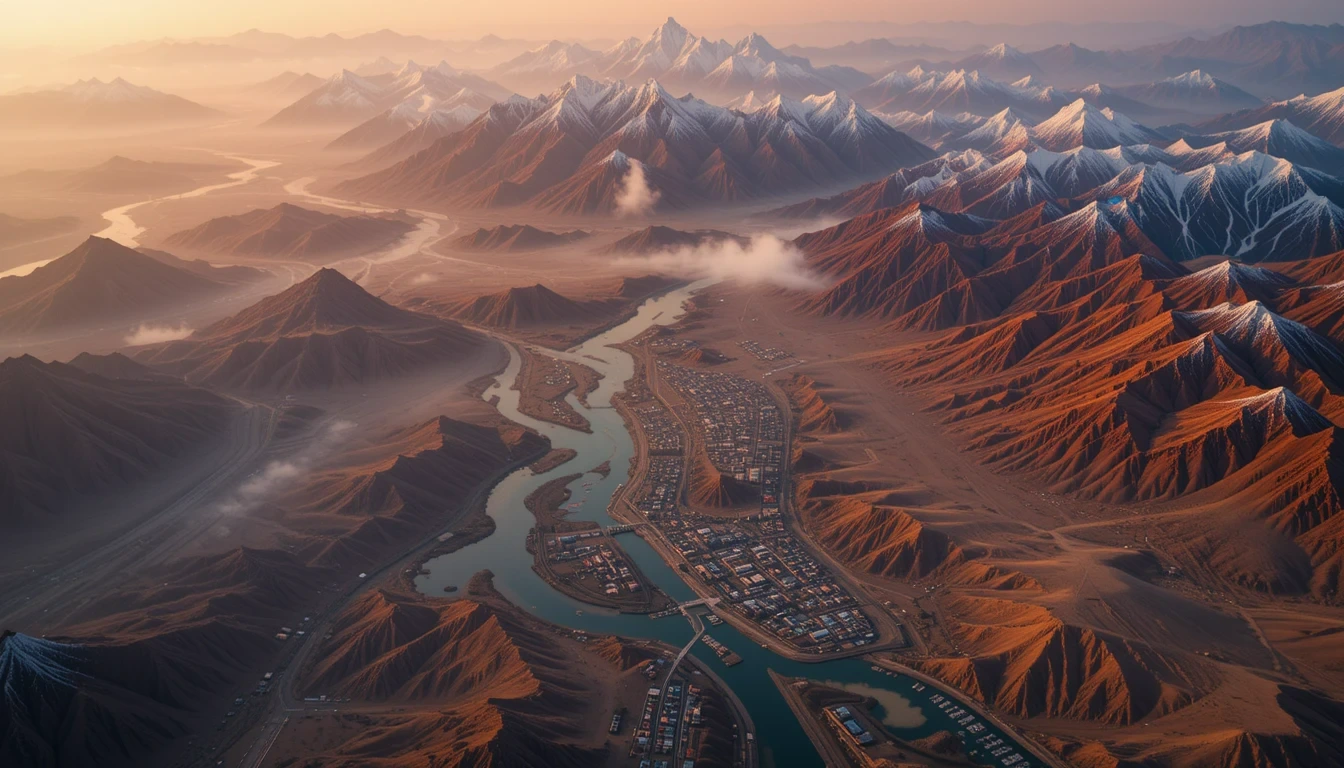
Introduction: The Urgent Reality of Climate Change in Pakistan
Climate change in Pakistan is no longer a distant warning—it’s happening right now. Rising global temperatures, melting glaciers, devastating monsoon floods, and recurring droughts have made Pakistan one of the most climate-vulnerable countries in the world. Despite contributing less than 1% of global greenhouse gas emissions, Pakistan consistently ranks among the top 10 nations hit hardest by climate disasters.
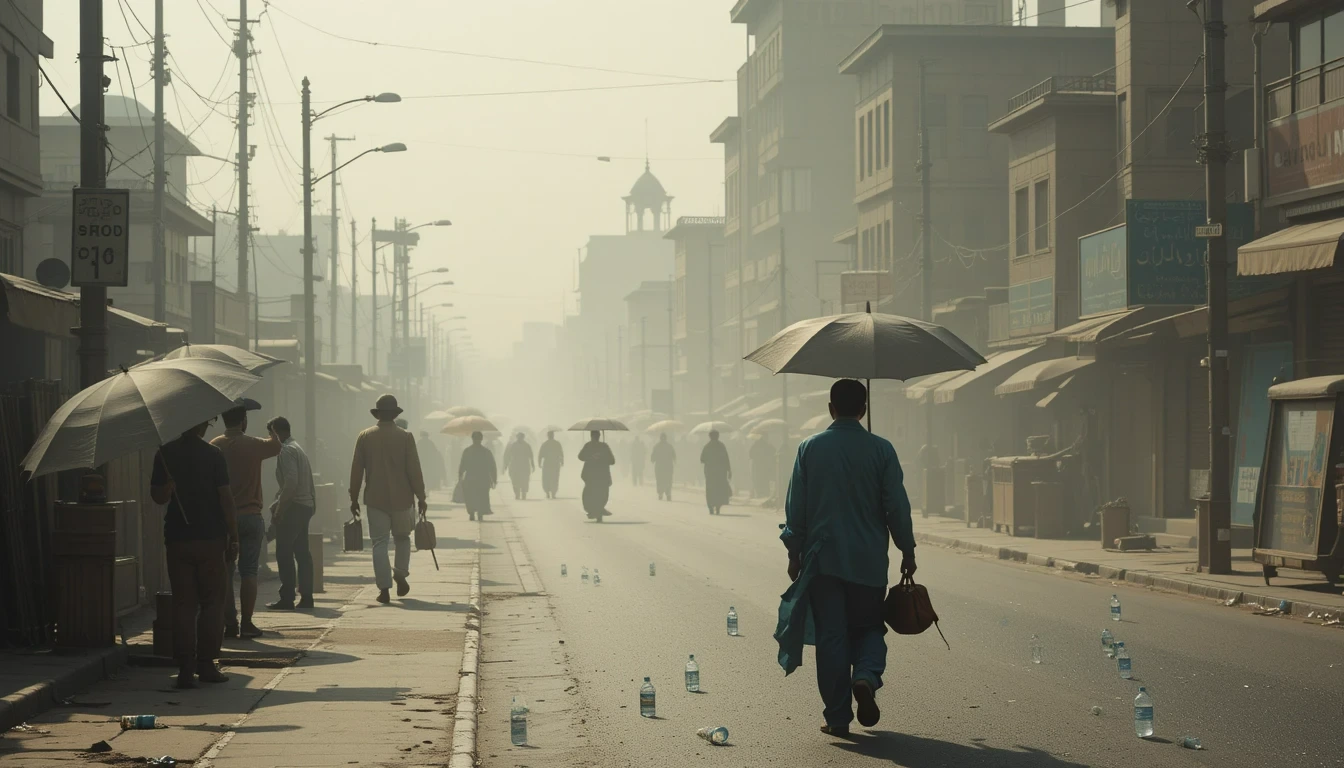
The evidence is overwhelming. In 2022, super floods submerged a third of the country, causing over $30 billion in damage and displacing millions. In August 2025, sudden cloudbursts in Khyber Pakhtunkhwa triggered flash floods, wiping out villages and killing hundreds. Meanwhile, glacial lake outburst floods (GLOFs) continue to threaten mountain communities in Gilgit-Baltistan, and intense heatwaves in Karachi, Hyderabad, and Multan push temperatures beyond 45°C, endangering both human health and energy security.
Climate change in Pakistan is not a single problem—it’s a chain reaction:
-
Environmental: Glacial retreat in the Hindu Kush–Karakoram–Himalaya (HKH) range threatens year-round water supplies.
-
Agricultural: Erratic rainfall and extreme heat stress slash crop yields and threaten food security.
-
Economic: Floods, storms, and drought damage infrastructure, stall GDP growth, and deepen debt burdens.
-
Social: Mass displacement, water shortages, and urban heat stress trigger public health crises.
This field guide unpacks how global warming is reshaping Pakistan’s geography, economy, and society—and how smarter governance, new technology, and community-led solutions can still build resilience.
1. The Science of Climate Change in Pakistan
1.1 Warming Trends and Changing Weather Patterns
Pakistan has already warmed by 0.6°C to 1.0°C over the past century. If emissions stay on track, temperatures could rise 1.5°C to 3°C by 2050. The warming is worst in arid and semi-arid regions, intensifying drought, while humid northern areas are seeing heavier, more erratic rainfall.
1.2 Glacial Melting and Water Security
With over 7,000 glaciers, Pakistan has more ice outside the poles than any other country. But rising temperatures are causing these glaciers to retreat rapidly. This threatens water security in the Indus River Basin, which sustains most of Pakistan’s agriculture, and increases the risk of glacial lake outburst floods (GLOFs) that destroy villages, roads, and power lines.
1.3 Intensified Monsoon Flooding
The South Asian monsoon is becoming less predictable and far more destructive. Warmer air traps more moisture, leading to torrential downpours that overwhelm rivers and drainage systems. The 2022 and 2025 floods show how climate change is supercharging extreme rainfall in Pakistan.
Sector-by-Sector Impacts of Climate Change in Pakistan
Agriculture and Food Security
Agriculture makes up 19% of Pakistan’s GDP and employs nearly 40% of the workforce, yet it is extremely vulnerable to climate stress. Erratic rains, prolonged droughts, and unseasonal heatwaves have already reduced yields of wheat, cotton, and rice—key crops for food and exports.
Water Resources and Energy Security
Pakistan’s water crisis is worsening. The Indus River system, which provides 90% of freshwater, is disrupted by glacial melt and changing monsoons. Drought years cut hydropower production, while floods destroy energy infrastructure. Securing renewable energy in Pakistan is critical to reduce vulnerability.
Human Health and Urban Heat Islands
Rising temperatures are fueling heatstroke, dehydration, and vector-borne diseases in cities. Karachi is especially dangerous during humid heatwaves due to poor ventilation and weak urban planning. After floods, waterborne diseases like dengue and cholera spread quickly, overwhelming already underfunded healthcare systems.
Regional Hotspots of Climate Vulnerability
Northern Pakistan: Glacial Retreat and Landslides
In Gilgit-Baltistan, Chitral, and Swat, melting glaciers are causing glacial lake outburst floods (GLOFs) that repeatedly wash away entire villages. Landslides triggered by unstable slopes cut off transport routes and threaten fragile mountain communities.
Southern Pakistan: Coastal Flooding and Sea-Level Rise
The Karachi coastline and Indus Delta face sea-level rise, saltwater intrusion, and coastal erosion. Mangrove forests, natural shields against storms, are disappearing due to urban expansion, industrial pollution, and overuse of groundwater.
Central Pakistan: Heatwaves and Drought
In Punjab and Sindh, prolonged droughts and extreme heat are crippling agriculture. Irrigation schedules are disrupted, canal systems dry up, and yields of staple crops collapse—directly threatening rural livelihoods.
Policy Responses to Climate Change in Pakistan
National Climate Change Policy (NCCP)
Pakistan revised its National Climate Change Policy in 2021 to prioritize renewable energy, reforestation, and disaster risk management. However, funding gaps, weak governance, and lack of technical expertise slow progress.
Adaptation Projects and Community Resilience
Projects like GLOF-II (Glacial Lake Outburst Flood Project), supported by UNDP, help mountain villages develop early-warning systems and protective infrastructure. In cities like Karachi and Lahore, resilience programs are planting trees, upgrading drainage, and setting up cooling centers to fight deadly heatwaves.
Industrial pollution and deforestation remain major drivers of Pakistan’s warming climate, demanding stricter regulation and sustainable land use.
Regional Hotspots and Climate Vulnerabilities
Pakistan’s geography magnifies the effects of climate change in unique ways. Northern regions like Gilgit-Baltistan face rapid glacial retreat and glacial lake outburst floods (GLOFs), while the Indus Delta faces saltwater intrusion and land loss from sea-level rise. Southern cities such as Karachi, Hyderabad, and Multan battle heatwaves and urban flooding simultaneously. These environmental shocks demonstrate that climate change in Pakistan is not uniform; it is multi-dimensional and region-specific.
-
Northern Pakistan: Melting glaciers destabilize river flow, causing both sudden floods and long-term water scarcity. Villages in Chitral, Swat, and Hunza are frequently cut off by landslides and swollen rivers.
-
Central Punjab: As Pakistan’s agricultural heartland, Punjab faces crop losses from unseasonal rains and scorching temperatures that reduce wheat and cotton yields.
-
Sindh and Balochistan: Heatwaves routinely surpass human survivability thresholds, while drought conditions devastate livestock and rural economies. Karachi faces both coastal flooding and heat stress, illustrating how urban centers must adapt to overlapping threats.
Sector-by-Sector Consequences
Agriculture and Food Security
Agriculture employs nearly 40% of Pakistan’s workforce, making it especially vulnerable to changing rainfall patterns and rising temperatures. Erratic monsoons wash away topsoil, while prolonged droughts reduce crop yields. The impact of climate change on Pakistan’s food security could push millions toward poverty unless robust adaptation measures—like drought-resistant crops and modern irrigation—are prioritized.
Water Resources
The Indus River system is the lifeline of Pakistan, but glacial retreat and erratic snowmelt threaten its stability. Seasonal extremes bring either destructive floods or prolonged water shortages. Investments in water storage, efficient irrigation, and basin-wide management are crucial to withstand future climate shocks.
Urban Resilience and Health
In cities, climate change in Pakistan is manifesting as deadly heatwaves, poor air quality, and overwhelmed drainage systems. Heat-related illnesses are rising, while stagnant floodwaters lead to outbreaks of dengue, malaria, and waterborne disease. Expanding green cover, redesigning urban drainage, and strengthening healthcare preparedness are critical steps toward climate adaptation.
Energy and Economy
Hydropower—the backbone of Pakistan’s renewable energy strategy—is increasingly threatened by unpredictable river flows caused by glacial melt. Meanwhile, the broader economy suffers billions in annual losses from floods, infrastructure damage, and agricultural decline. Long-term economic resilience to climate change demands investment in diversified renewables, better disaster planning, and climate-smart infrastructure.
Policy Gaps and Adaptation Pathways
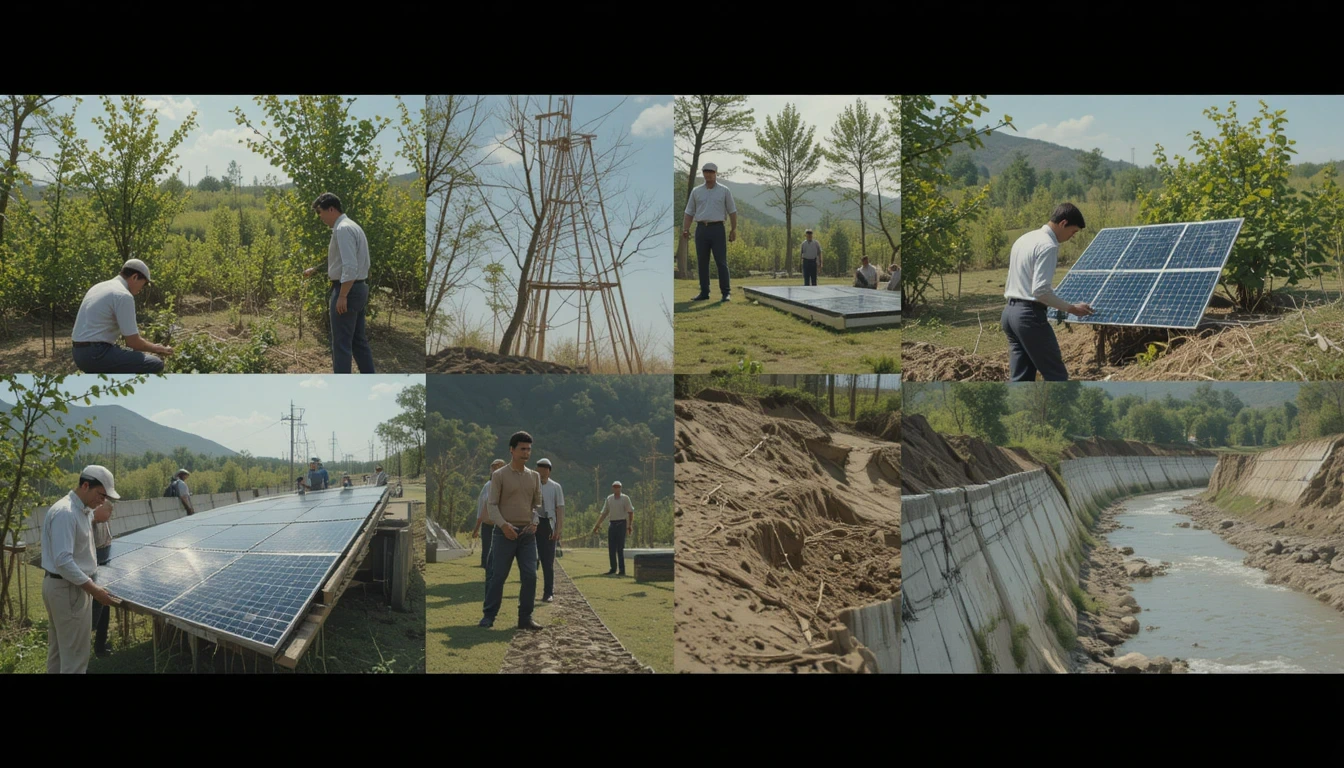
Pakistan has signed global frameworks like the Paris Agreement and launched initiatives such as the Billion Tree Tsunami and National Climate Change Policy, yet implementation remains inconsistent. Weak governance, limited financing, and lack of local community engagement hinder meaningful progress.
To truly address climate change in Pakistan, policymakers must:
-
Prioritize climate financing through green bonds, international aid, and domestic climate funds.
-
Strengthen early warning systems to reduce disaster casualties.
-
Integrate climate risk in urban planning to protect high-density populations.
-
Support local innovation—community-led water harvesting, sustainable farming, and nature-based flood defenses.
Building a Climate-Resilient Pakistan
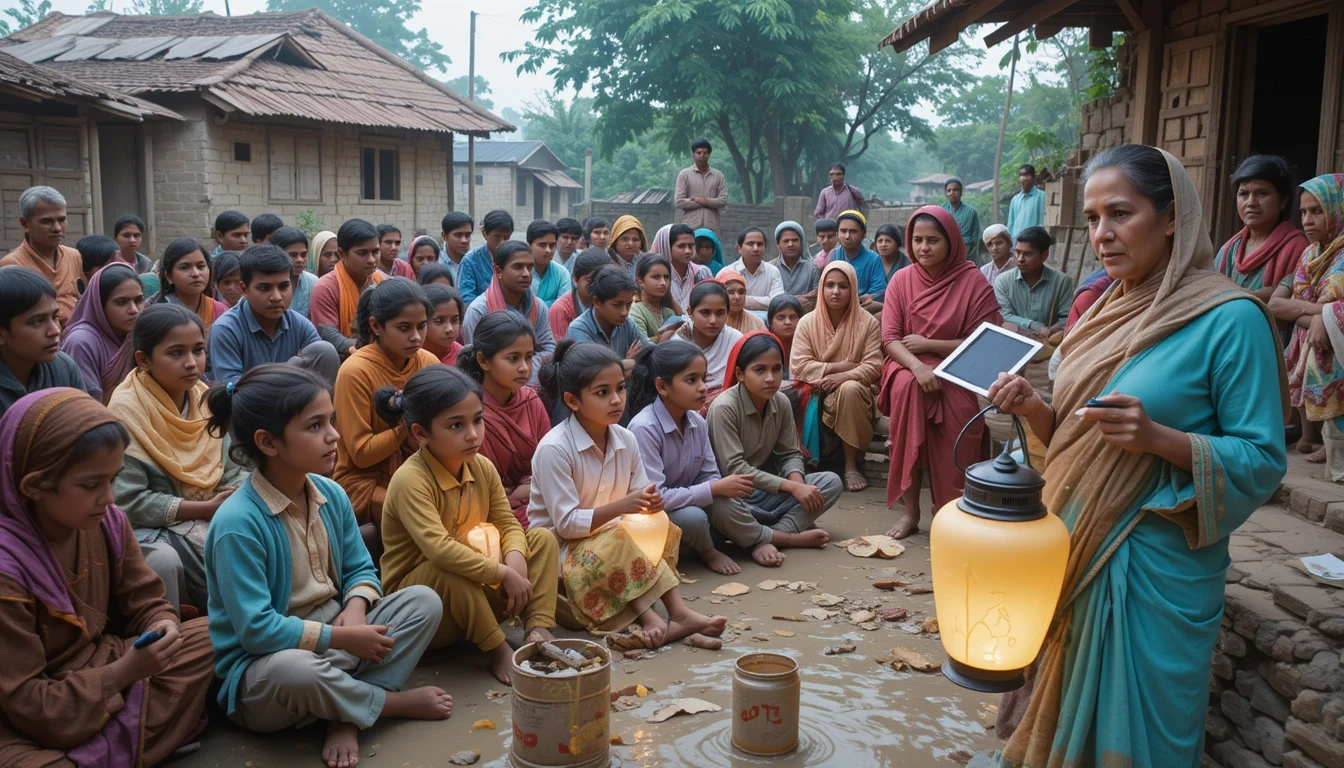
Solutions must be locally rooted yet globally informed. Reforestation, soil conservation, and river restoration projects can provide buffers against floods and heat. Public education campaigns help citizens prepare for climate change in Pakistan, while private-sector partnerships can scale green technologies faster than government programs alone.
Nature-based solutions—like restoring mangroves to shield the Indus Delta from storm surges—work best when combined with high-tech measures like satellite monitoring of glacier melt and AI-driven flood modeling. Climate resilience requires a whole-of-society approach: farmers shifting to climate-smart crops, businesses integrating ESG standards, urban planners adopting heat-resilient designs, and schools teaching climate literacy.
Frequently Asked Questions (FAQs) About Climate Change in Pakistan
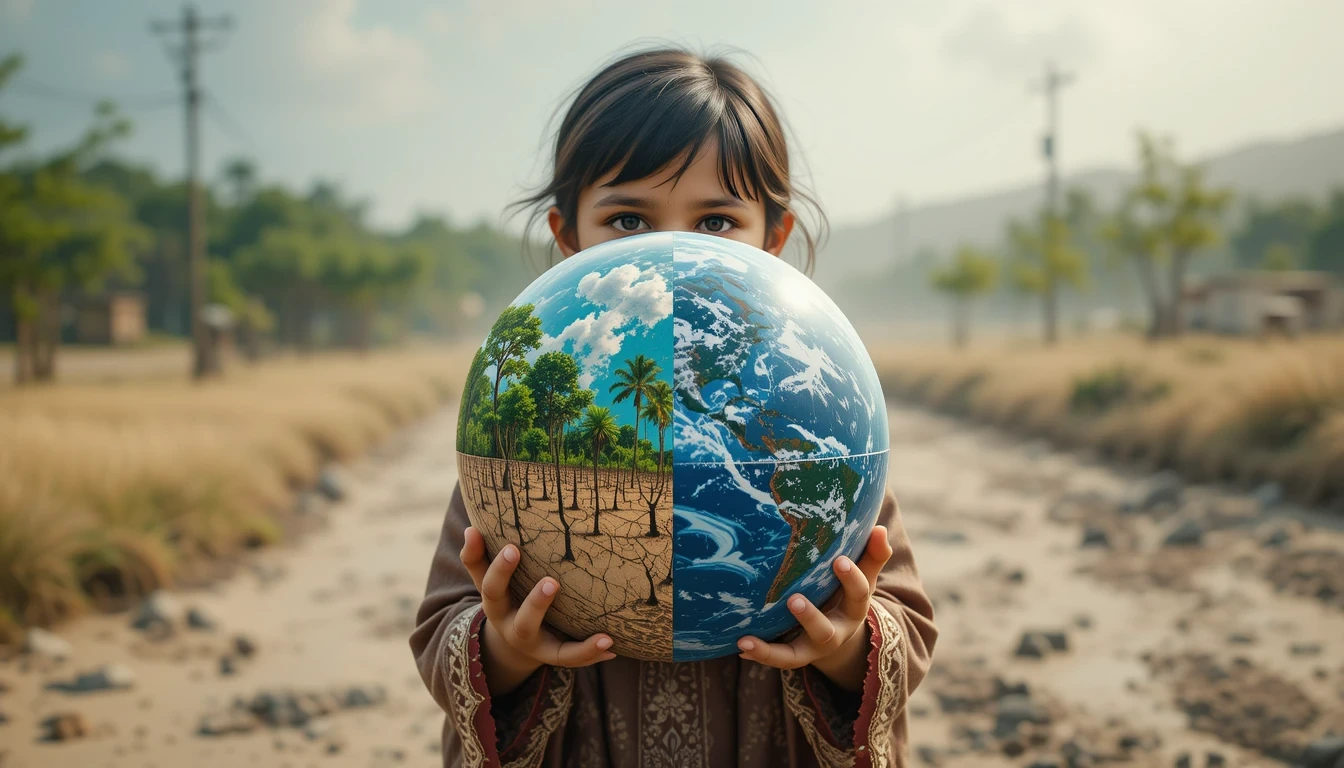
1. What is climate change and how is it affecting Pakistan?
Climate change refers to long-term shifts in temperature, rainfall, and weather patterns. Climate change in Pakistan has intensified heatwaves, unpredictable monsoons, rapid glacial melting, and devastating floods—causing widespread damage to agriculture, infrastructure, and public health. For a global overview, see UN Climate Change.
2. Why is Pakistan considered highly vulnerable to climate change?
Pakistan’s geography, dependence on the Indus River, and reliance on agriculture make it extremely climate-sensitive. Limited resources for disaster preparedness, weak governance, and rapid urbanization compound the impact of climate change in Pakistan. According to the Global Climate Risk Index, Pakistan ranks among the top affected countries.
3. What are the major causes of climate change in Pakistan?
While global greenhouse gas emissions drive most climate shifts, local factors such as deforestation, inefficient energy use, and poor urban planning amplify the effects. Learn about green energy solutions that can help Pakistan mitigate emissions.
4. How does climate change affect Pakistan’s agriculture and food security?
Erratic rainfall, water shortages, and rising temperatures reduce crop yields for staples like wheat, rice, and cotton. Climate change in Pakistan threatens food security by making farming less predictable and increasing the need for climate-smart agriculture or red our article here How Smart Farming is Revolutionizing Agriculture in Pakistan 2025 in 4 Ways
5. What steps is Pakistan taking to combat climate change?
Initiatives such as the Billion Tree Tsunami, Clean Green Pakistan Movement, and National Climate Change Policy aim to restore ecosystems and cut emissions. Visit Pakistan’s environmental projects for more examples.
6. How can individuals help reduce the impact of climate change in Pakistan?
Citizens can contribute by planting trees, reducing energy waste, supporting renewable energy, conserving water, and raising awareness about climate change in Pakistan. For practical tips, read eco-friendly lifestyle ideas.
7. What role does international support play?
Pakistan needs global climate financing, technology transfer, and disaster management assistance to implement large-scale adaptation projects. The international community recognizes that climate change impacts in Pakistan are largely caused by emissions from developed nations. See World Bank Climate Data for research and statistics.
8. What is the future outlook for climate change in Pakistan?
Without strong adaptation measures, Pakistan will face more frequent floods, harsher heatwaves, and water scarcity. With immediate action, however, it can safeguard communities, modernize infrastructure, and create a climate-resilient economy. For solutions, check Pakistan’s sustainable development goals and UN SDGs.
Conclusion
The story of climate change in Pakistan is not only one of crisis but also of opportunity. By acknowledging regional vulnerabilities, scaling adaptation policies, and mobilizing resources, Pakistan can transform from a climate victim to a resilience leader in South Asia. The next decade is critical. If Pakistan strengthens governance, embraces innovation, and empowers its people, it can survive and thrive despite escalating climate threats.
The choice is clear: either continue reacting to disasters—or build a nation prepared for an unpredictable climate future.