
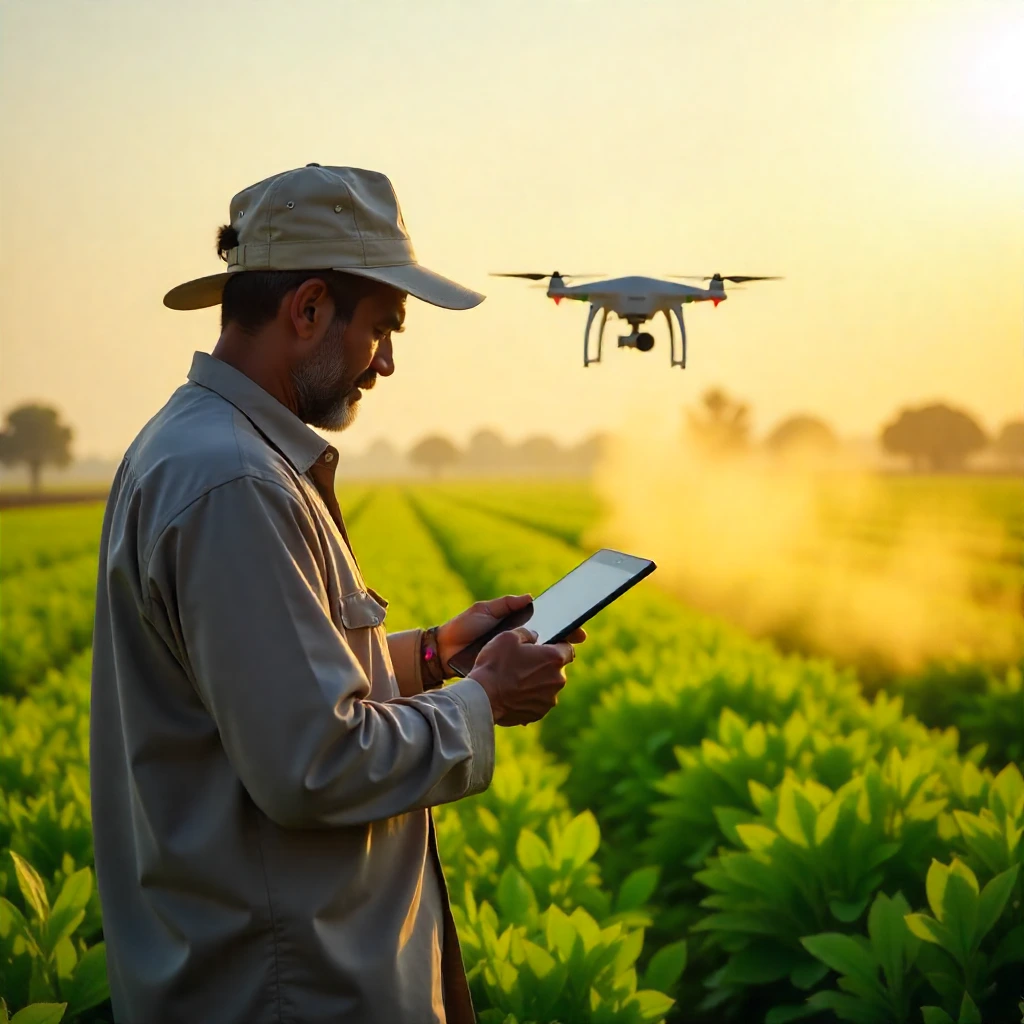
Discover how smart farming is transforming Pakistan’s agriculture through precision technology, climate-resilient crops, and sustainable practices to boost yields and protect the environment.
What is Climate-Smart Agriculture (CSA)?
Climate-smart agriculture (CSA) is an approach to farming that helps farmers adapt to climate change, improve productivity, and reduce greenhouse gas emissions.
In Pakistan—where agriculture is highly vulnerable to climate extremes like droughts, floods, and heatwaves—CSA is becoming essential for food security and rural livelihoods.
CSA in Pakistan combines modern technology with traditional knowledge, making it suitable for diverse regions and farming systems.
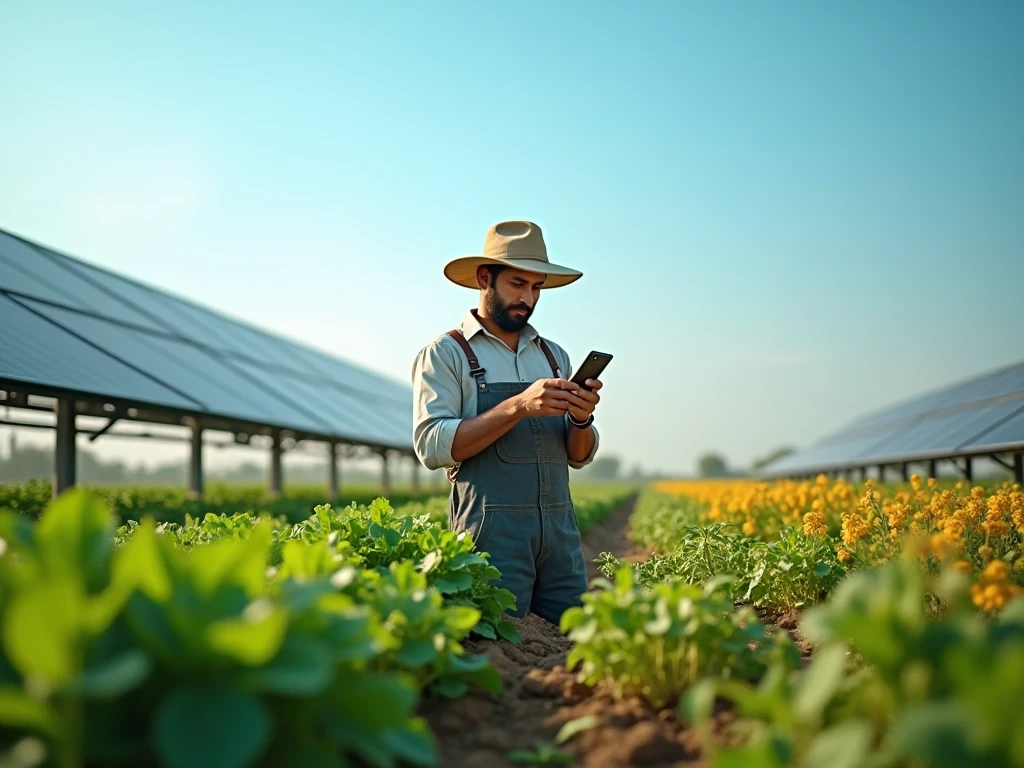
Why Is It Needed in Pakistan?
Pakistan is one of the top 10 countries most affected by climate change. Agriculture here faces:
-
Water scarcity: The country is approaching “absolute water scarcity.” Farming uses 90% of water, mostly inefficiently.
-
Extreme weather: Devastating floods (2010 & 2022), prolonged droughts, and unseasonal rains hurt crops.
-
Temperature rise: Even a 1–2°C rise can reduce wheat and rice yields significantly.
-
Soil degradation: Salinity, erosion, and excessive chemical use are damaging soil quality.
Key CSA Practices in Pakistan
A. Smart Water Management
-
Drip irrigation delivers water directly to plant roots, saving up to 50% of water.
-
Soil moisture sensors help farmers irrigate only when needed.
-
Laser land leveling ensures even water distribution.
-
Example: In Chakwal, CSA irrigation systems helped farmers reduce water use by 35%.
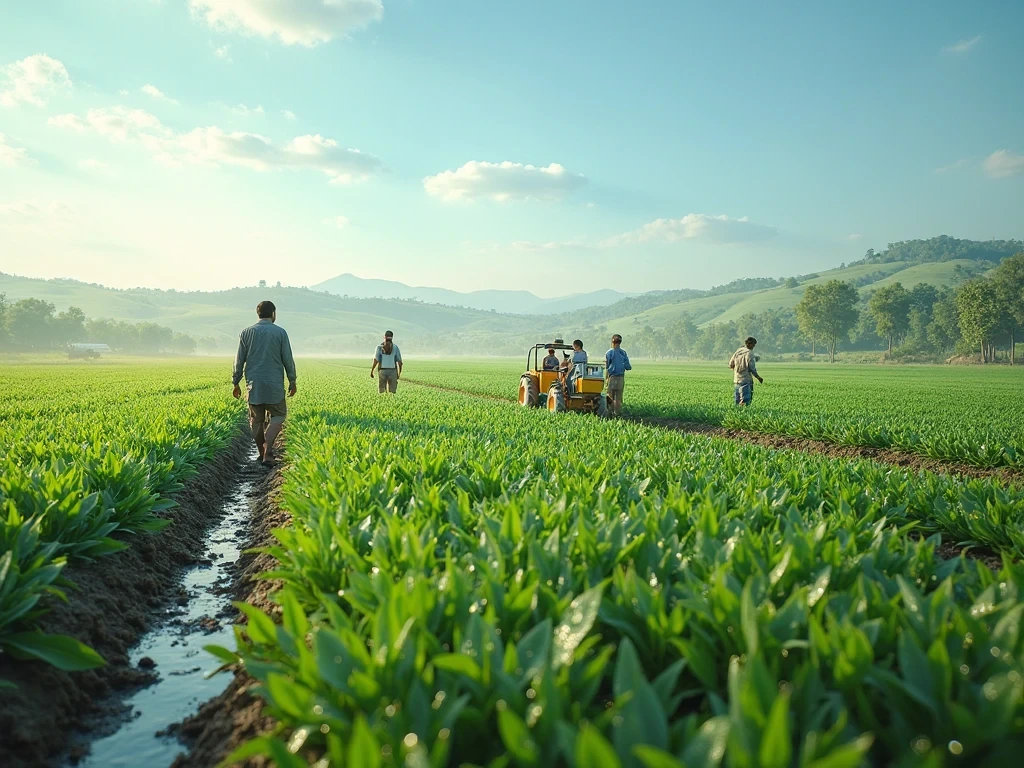
B. Resilient Crop Choices
-
Drought-resistant wheat and millet in dry zones like Thar.
-
Flood-tolerant rice in Sindh‘s lowlands.
-
Heat-tolerant cotton varieties promoted in Punjab.
-
Crop diversification (mixing legumes, cereals, vegetables) improves resilience.
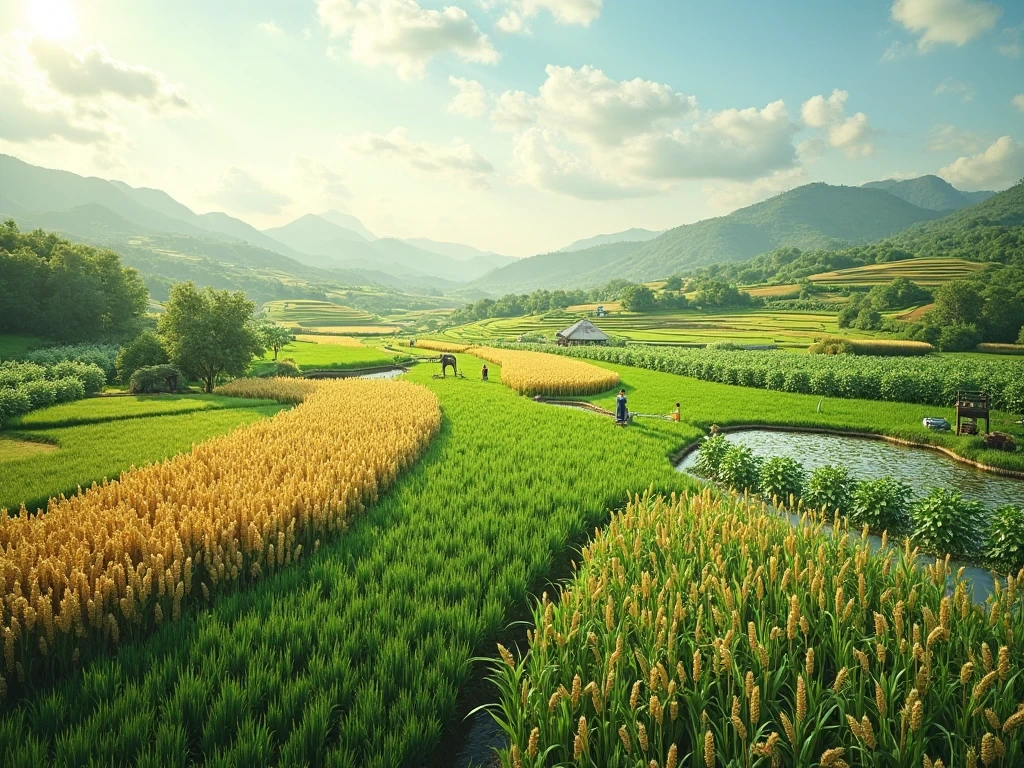
C. Soil Health Improvement
-
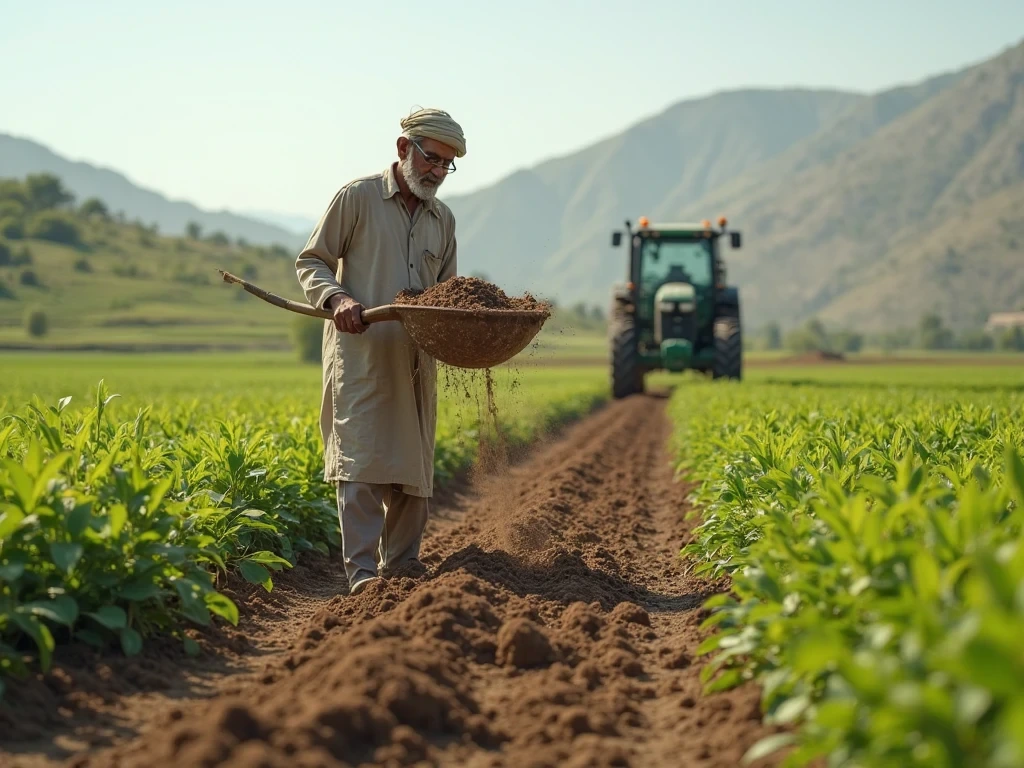
Use of organic compost and cover crops boosts soil fertility and reduces salinity.
-
No-till and minimum tillage practices preserve soil structure and reduce erosion.
D. Digital & Smart Technologies
-
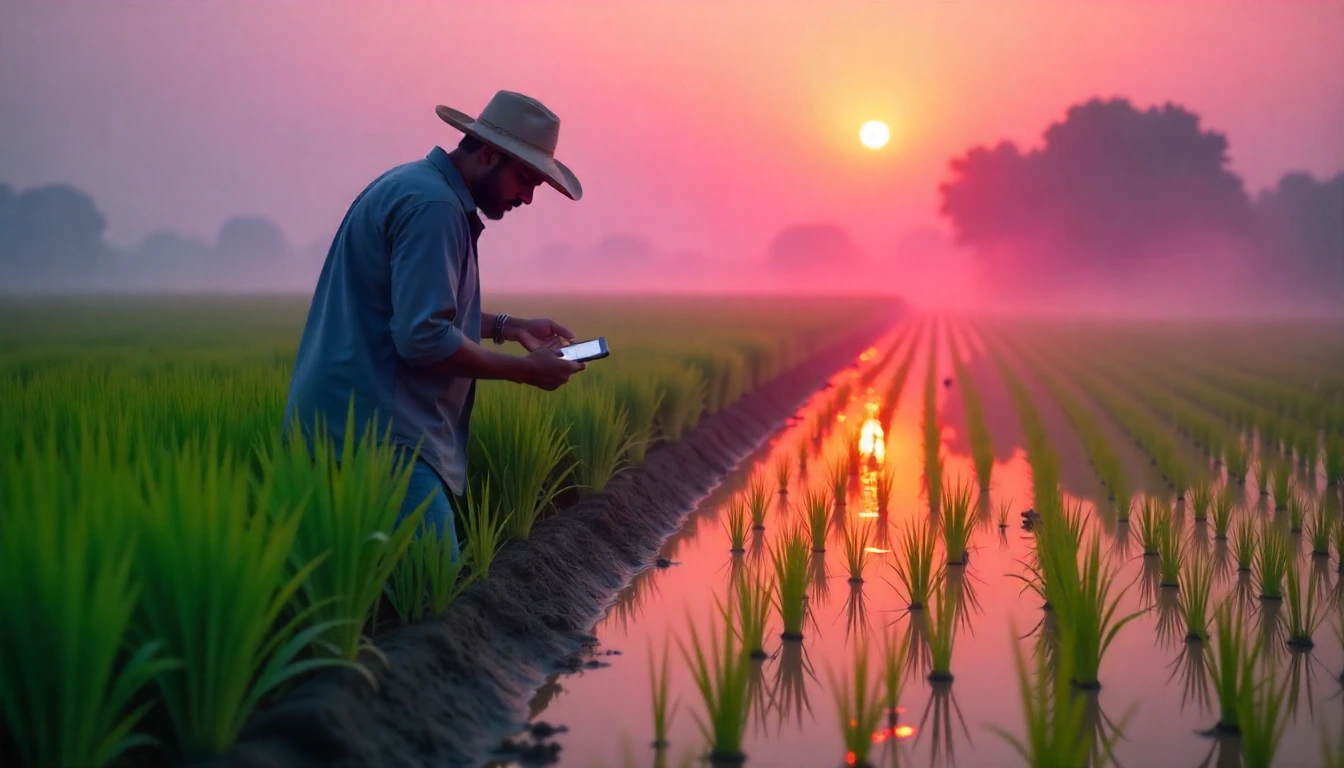
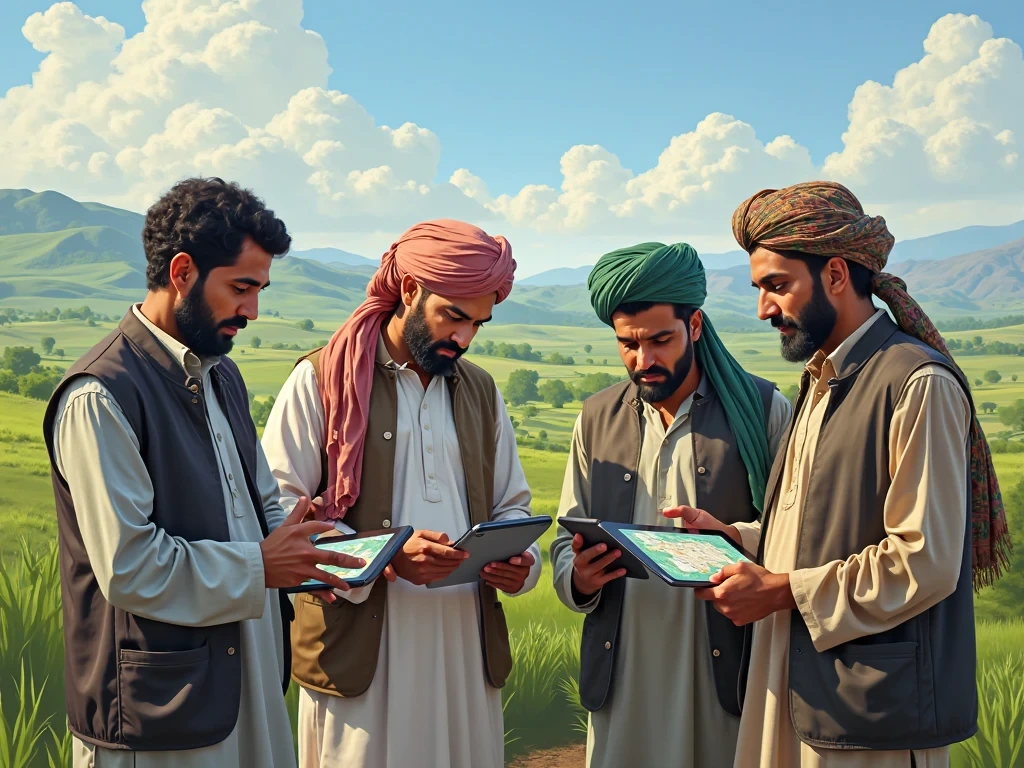
LIMS (Land Information & Management System) gives farmers satellite data on land, soil, and crops.
-
Digital Dera and Digital Hujra centers offer rural internet access and agri-training.
-
Mobile units deliver training via videos, solar-powered demos, and live sessions.
-
Smartphone apps & SMS alerts send weather, pest, and market updates.
Regional Adaptation Strategies
-
Laser leveling, drip irrigation, and climate-resilient wheat.
-
Crop rotation & intercropping to increase soil health.
-
Salt-tolerant rice & vertical farming tunnels after floods.
-
Community nurseries to restore green cover & food production.
-
Rainwater harvesting & solar-powered pumps in water-scarce zones.
-
Low-water crops like pomegranate & grapes.
-
Tree plantation under Billion Tree Tsunami project.
-
Terrace farming to prevent soil erosion.
Social Inclusion: Gender & Youth
-
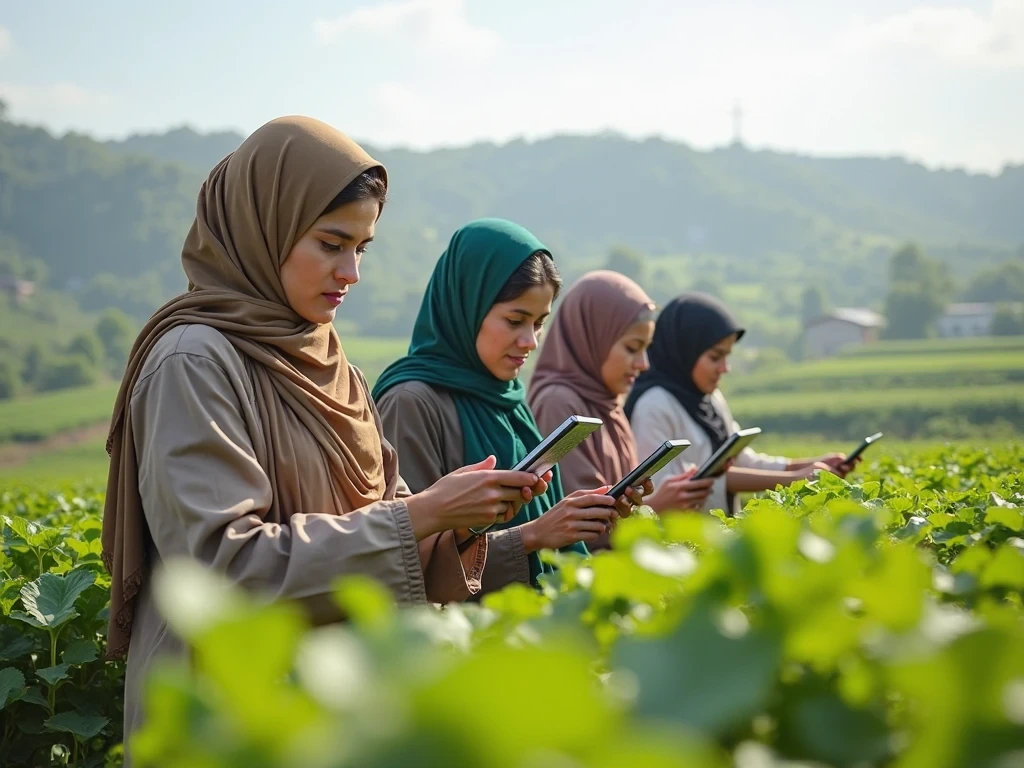
Women farmers trained via mobile units & female-led training centers.
-
Youth involvement through agri-tech startups & digital platforms.
-
Need for more inclusive access to technology, credit, and market knowledge.
Institutional & Government Support
-
Government programs:
-
CSA Action Plan
-
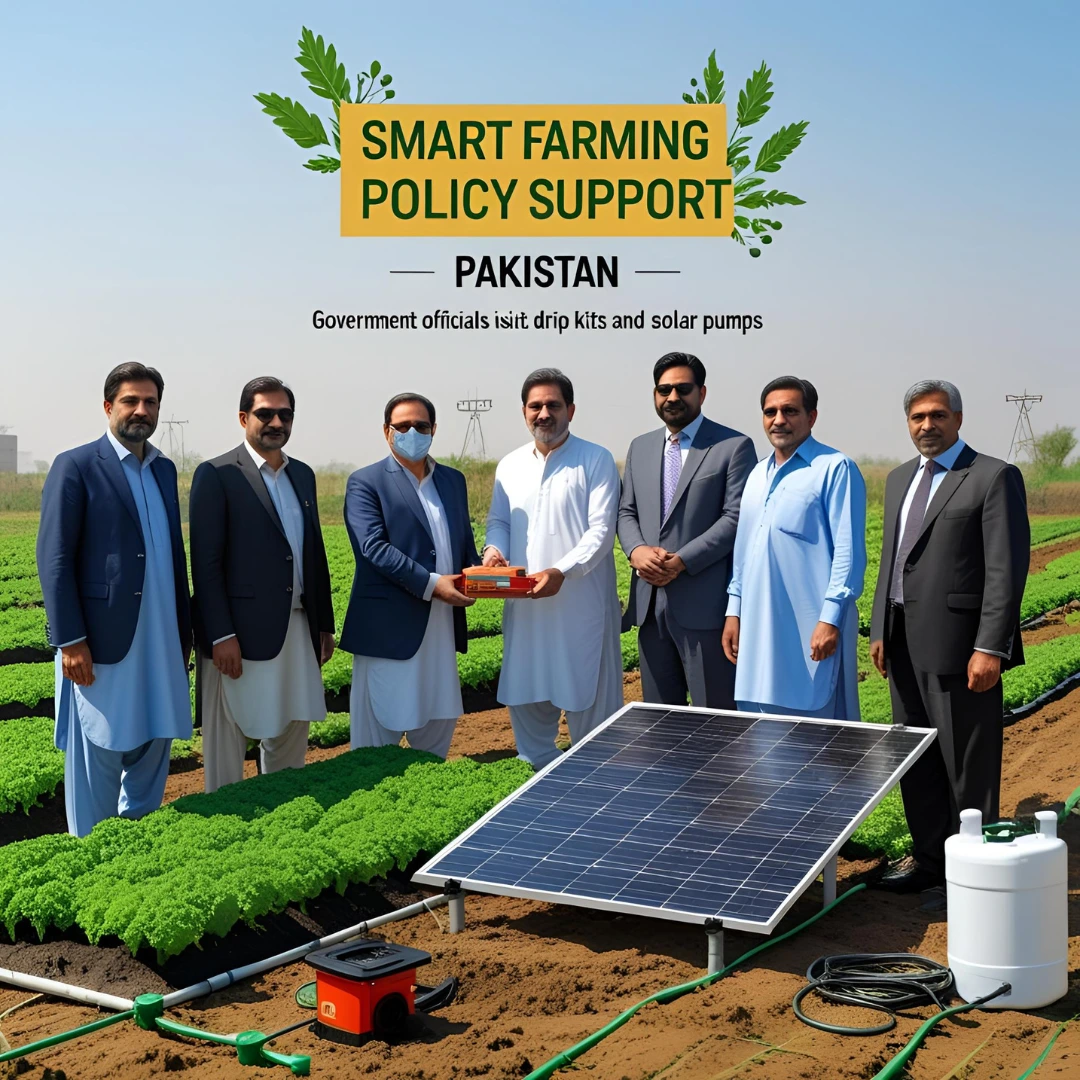
Subsidies on solar irrigation systems & drip kits
-
NGOs: WWF-Pakistan, Malteser, etc.
-
International agencies: USAID, FAO, ADB supporting CSA projects.
Challenges to CSA in Pakistan
-
High cost of modern equipment & lack of financing.
-
Limited awareness among smallholder farmers.
-
Weak coordination between federal & provincial departments.
-
Lack of localized data for precision farming.
The Way Forward
-
Stronger policies with clear provincial implementation.
-
More funding & subsidies for small farmers.
-
Expansion of digital tools & AI forecasting.
-
Promotion of local agri-tech startups & youth innovation.
-
Gender equality & inclusive development for all communities.
Final Thoughts
Climate-smart farming is not a luxury but a necessity in Pakistan. With smart irrigation, resilient crops, digital tools, and strong institutional support, farmers can grow more food with fewer resources while protecting against climate risks.
The shift to CSA is already happening—but must be scaled up urgently for a sustainable and secure agricultural future.
Pakistan’s Climate & Agriculture Comprehensive Overview
Geography & Climatic Context
-
Location: 24°–37° N latitude & 61°–75° E longitude.
-
Climate: Tropical & semi-arid.
-
Rainfall: 125 mm (southern plains) to 500–900 mm (northern sub-mountainous areas).
-
~70% rainfall in monsoon (July–Sept); winters are dry.
-
Temperature: Summers often exceed 40°C; winters just above freezing.
Agro-Ecological & Climatic Zones
Pakistan is divided into several AEZs based on climate, physiography, and water availability:
-
Zone I – Indus Delta: Rice, sugarcane, bananas.
-
Zone II – Southern Irrigated Plain (Lower Indus): Wheat, cotton, sugarcane.
-
Zones IIIa/b – Sandy Deserts: Low rainfall grazing lands.
-
Zone IV – Northern Irrigated Plains: Wheat, rice, maize, citrus, sugarcane.
-
Zone V – Barani (Rainfed) Areas: Wheat, millet, pulses.
-
Zones VI–VIII – Mountain Areas: Rainfed farming & grazing.
-
Zone IX – Dry Western Plateau: Grazing; melons, vegetables in irrigated pockets.
-
Zone X – Sulaiman Piedmont: Wheat, gram with hill flood irrigation.
Agricultural Significance
-
Agriculture = 19% of GDP & employs 40% of workforce (~25 million people).
-
Punjab: Wheat & cotton.
-
Sindh: Mangoes & fruit crops.
Climate Change Impacts
-
Rank: Top 10 most climate-vulnerable countries globally.
-
Temperature: +1.5°C in 60 years.
Floods
-
2022 floods: 33 million people affected; millions of hectares lost.
-
2025 floods: 10–15% above normal rainfall → major losses.
Droughts
-
Sept 2024–Jan 2025: Rainfall 40% below normal (Sindh, Punjab, Balochistan hit hardest).
Environmental Crisis
-
Indus Delta drying → saltwater intrusion & displacement.
-
Rising seas & floods hitting Gwadar’s farming & fisheries.
Agricultural Adaptation & Resilience
Crop Innovation
-
Drought-tolerant wheat/maize (Punjab-2011), hybrid rice (Swat-1, IRRI-6), heat-tolerant cotton (FH-142, MNH-886).
-
Thar-2023 millet: High yield with 30% less water.
-
Chakwal-50 wheat: +25% yield under extreme heat.
Irrigation & Soil Management
-
Drip irrigation saves up to 60% water & increases yield by 40%.
-
Rainwater harvesting secures production in dry zones.
-
Agroforestry (e.g., Kikar, Ber) improves soil & microclimate.
Digital Tools
-
Khushhal Kissan & PARC Weather Advisory apps give real-time info.
-
Sensor-based irrigation reduces water waste by 35%.
Policy Initiatives
-
Kisan Package: Subsidies for climate-smart tech.
-
Weather-indexed insurance.
-
PARC-led adaptive farming training.
Ecosystem & National Programs
-
Billion Tree Tsunami: 350,000 hectares forested (KPK, 2014–2017).
-
Living Indus Initiative: $17B UN-backed restoration of Indus Basin.
-
International: Geneva Conference 4RF plan for post-flood recovery.
Health & Social Impacts
-
Climate hazards → disease outbreaks (diarrhea, malaria), malnutrition, heatstroke, respiratory illness.
-
2022 floods displaced millions, severely affecting child health.
Summary
| Aspect | Key Highlights |
|---|---|
| Climate | Semi-arid to arid; extreme temps; erratic rainfall |
| Agro-Zones | 10 zones from Indus Delta to mountains |
| Agriculture | 19% GDP; 40% workforce; region-specific crops |
| Climate Threat | Floods & droughts worsening; Indus Delta crisis |
| Adaptation Tools | Better crop varieties, precision irrigation, agroforestry |
| Digital & Policy | Apps, sensors, insurance, subsidies, training |
| Ecosystem Systems | Billion Tree Tsunami; Living Indus Initiative |
| Health Impacts | Climate-linked diseases, displacement |
Conclusion
Climate-Smart Agriculture offers Pakistan a path to secure food supplies, safeguard rural livelihoods, and protect the environment in the face of climate change. By combining innovative technologies with traditional wisdom, farmers can boost productivity, use resources efficiently, and build resilience against floods, droughts, and heatwaves. However, scaling CSA requires strong policies, better financing for smallholders, and widespread training to ensure no community is left behind.
For a deeper look at how Pakistan’s agriculture sector is evolving and the role of modern farming initiatives, read my detailed analysis here: Agriculture in Pakistan 2025 – Challenges, Innovations & Future Outlook
1 thought on “How Smart Farming is Revolutionizing Agriculture in Pakistan 2025 in 4 Ways”