
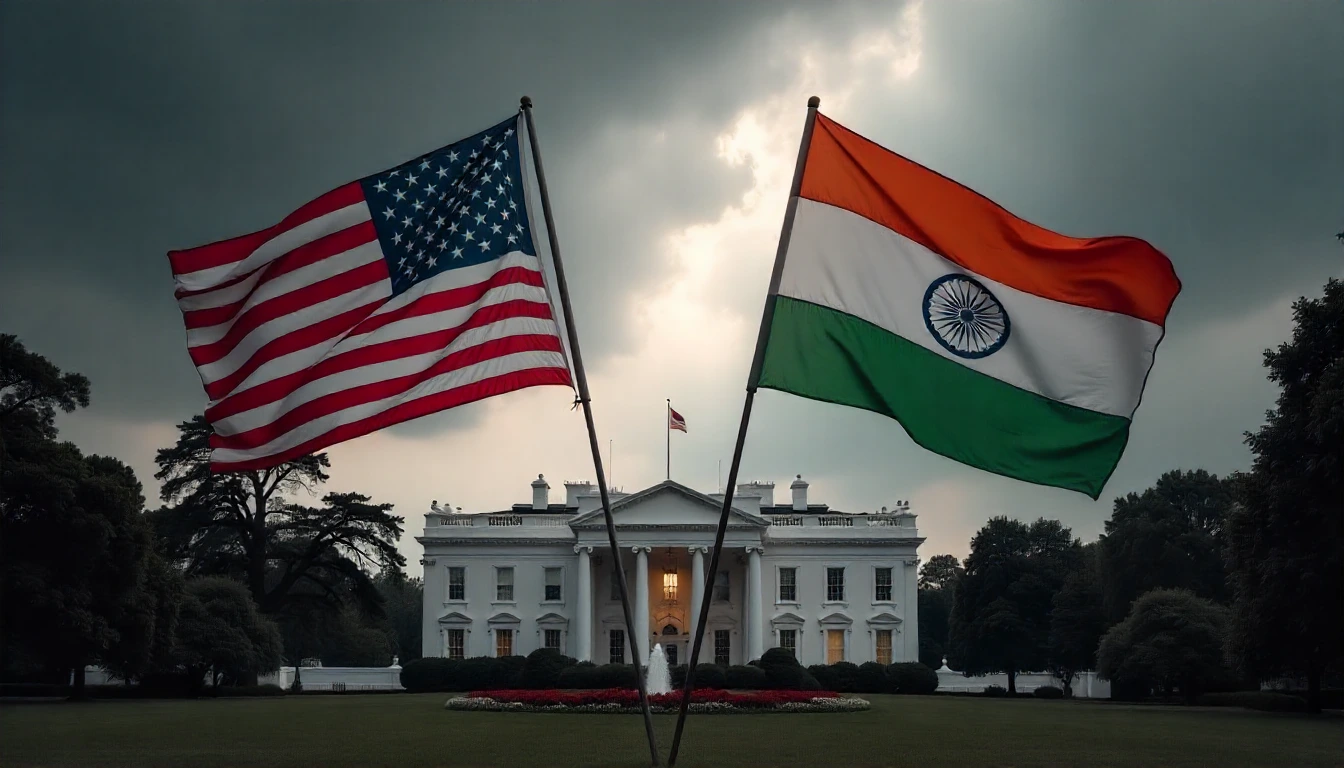
Tensions between the USA and India are not new — as detailed in this in-depth analysis of the Trump and India conflict, political frictions, trade disputes, and diplomatic missteps have long shaped the uneasy dynamics between Washington and New Delhi. But today, the stakes are far higher.
The global chessboard is shifting, and a new player is stealing the spotlight: Pakistan. On US soil, FM Munir delivered a stark warning that Islamabad would strike the eastern front if India dared to provoke, a statement that reverberated across diplomatic circles. With growing strategic ties to China and a cautious yet cooperative approach toward Russia, Pakistan is redefining the power balance in South Asia. This is no longer just a bilateral tug-of-war between the USA and India — it’s a multi-front contest with global consequences.
Table of Contents
ToggleA Shifting Triangle — Pakistan, USA and India in the 21st Century
The geopolitical triangle between the United States, India, and Pakistan is no longer the stable, predictable setup it once appeared to be. While Washington and New Delhi spent much of the past decade deepening defense cooperation, trade agreements, and counter-China strategies, the undercurrents are shifting. Pakistan, often seen in Washington’s orbit during the Cold War and the War on Terror, is now regaining strategic significance in a different way — not as a secondary player, but as a decisive pivot point.
India’s attempts to position itself as a “global leader” have been complicated by its handling of internal unrest, controversial policies in Kashmir, and its balancing act with Russia. Meanwhile, Pakistan has leveraged its military deterrence, geographic location, and diplomatic flexibility to reinsert itself into the conversation in Washington, Beijing, and even Moscow.
The U.S. now faces a difficult reality — supporting India without alienating Pakistan could be impossible. For Pakistan, this is an opportunity to step out of the shadows and remind the world of its capacity to shape the subcontinent’s destiny.
Tariff Wars — The Economic Tug of War Between USA and India
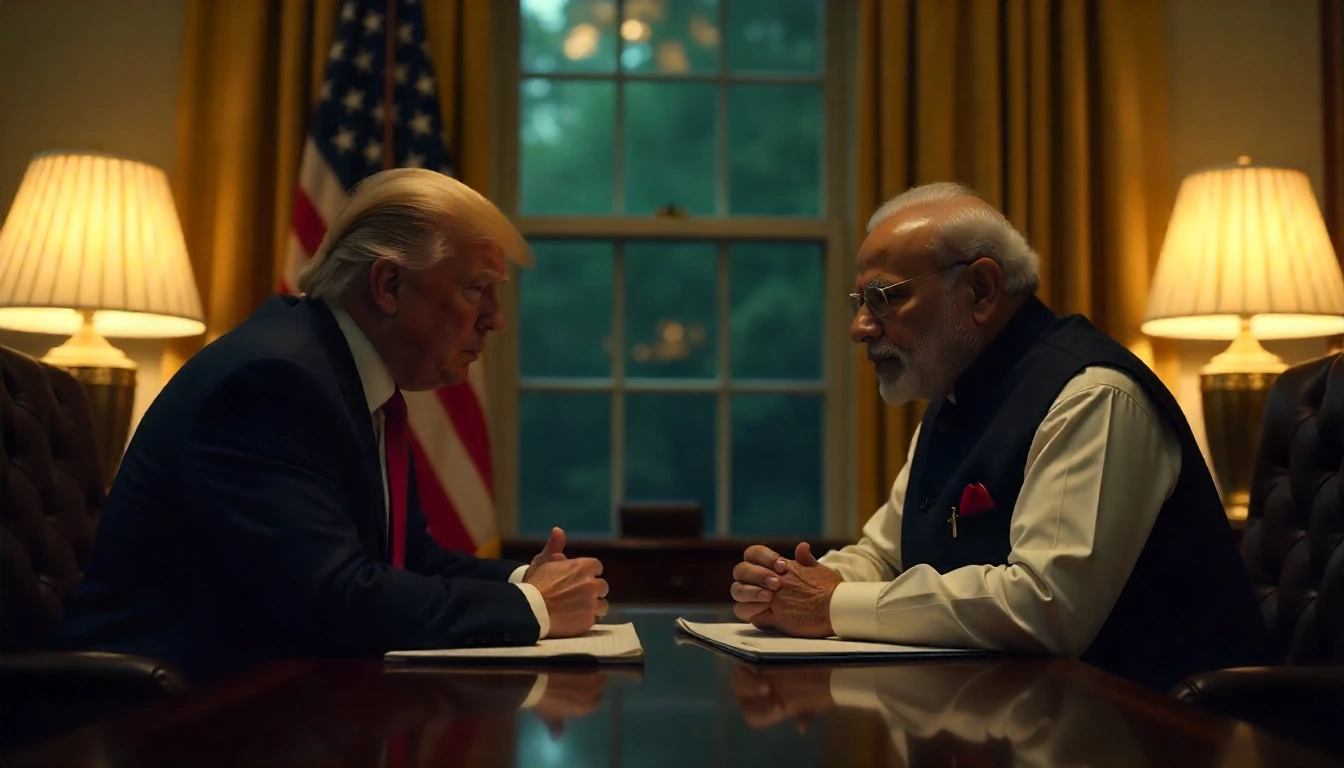
Trade has been a sensitive nerve in U.S.–India relations for years. Washington has pushed for greater market access for American goods, while New Delhi seeks protection for its domestic industries. The tariff disputes — ranging from agricultural products to technology imports — have created friction even during otherwise friendly administrations.
For India, high tariffs on U.S. agricultural products and technology imports are a way to protect its internal market and growing industries. For the United States, these are unnecessary trade barriers that hurt its exporters and force retaliatory measures.
Pakistan, though not directly in the crossfire of these tariff battles, stands to gain. As India’s economic relations with Washington face speed bumps, Pakistan could present itself as a more cooperative trade partner, especially in sectors like textiles, agricultural products, and emerging tech outsourcing. By aligning with U.S. trade preferences, Pakistan has the chance to quietly undercut India’s competitive edge in certain markets.

The F-35 Factor — Who Really Gets the Cutting-Edge Tech?
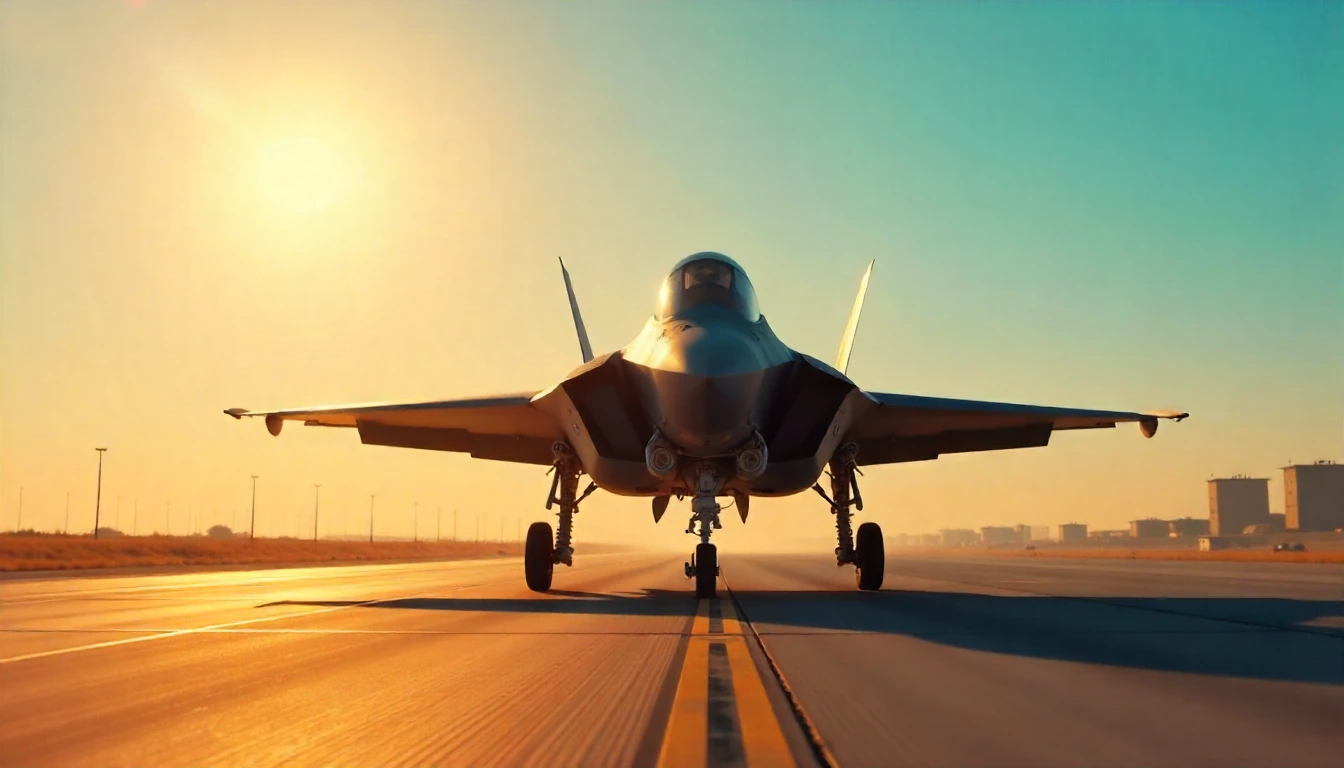
Few defense deals carry the same prestige and strategic weight as access to the U.S. F-35 fighter jet program. For years, India has sought advanced American hardware to strengthen its air force against both China and Pakistan. While Washington has provided equipment and joint exercises, it has stopped short of offering the crown jewel — the F-35 — partly due to India’s ongoing defense purchases from Russia.
Pakistan, while not a candidate for F-35 acquisition under current policies, has strengthened its air defense posture through partnerships with China, integrating JF-17 Thunder upgrades, and enhancing missile capabilities. This keeps India’s air dominance ambitions in check, a reality Washington cannot ignore. If tensions rise, the U.S. may find itself in the awkward position of watching its so-called strategic partner struggle to dominate the skies, especially if China tips the balance in Pakistan’s favor.
Russian Oil and the Double Game
One of the most contentious issues in recent U.S.–India relations has been New Delhi’s continued purchase of discounted Russian oil despite Western sanctions over the Ukraine war. India argues this is an economic necessity to manage its fuel prices and energy security. The U.S., while publicly “understanding,” privately sees it as undermining the sanctions regime and weakening the West’s pressure on Moscow.
Pakistan has been watching closely. Recently, Islamabad secured its own oil import deal with Russia, marking the first time in history that Pakistani refineries processed Russian crude. The move gives Pakistan leverage both with Moscow and with Washington — it can argue for balanced relationships with all powers while highlighting India’s selective compliance with Western sanctions.
If the U.S. starts tightening the screws on India over Russian oil, Pakistan could emerge as the more disciplined partner, especially if it positions itself as willing to align with U.S. energy strategies under the right terms.

China’s Strategic Handshake — Diplomacy in Delhi and Islamabad
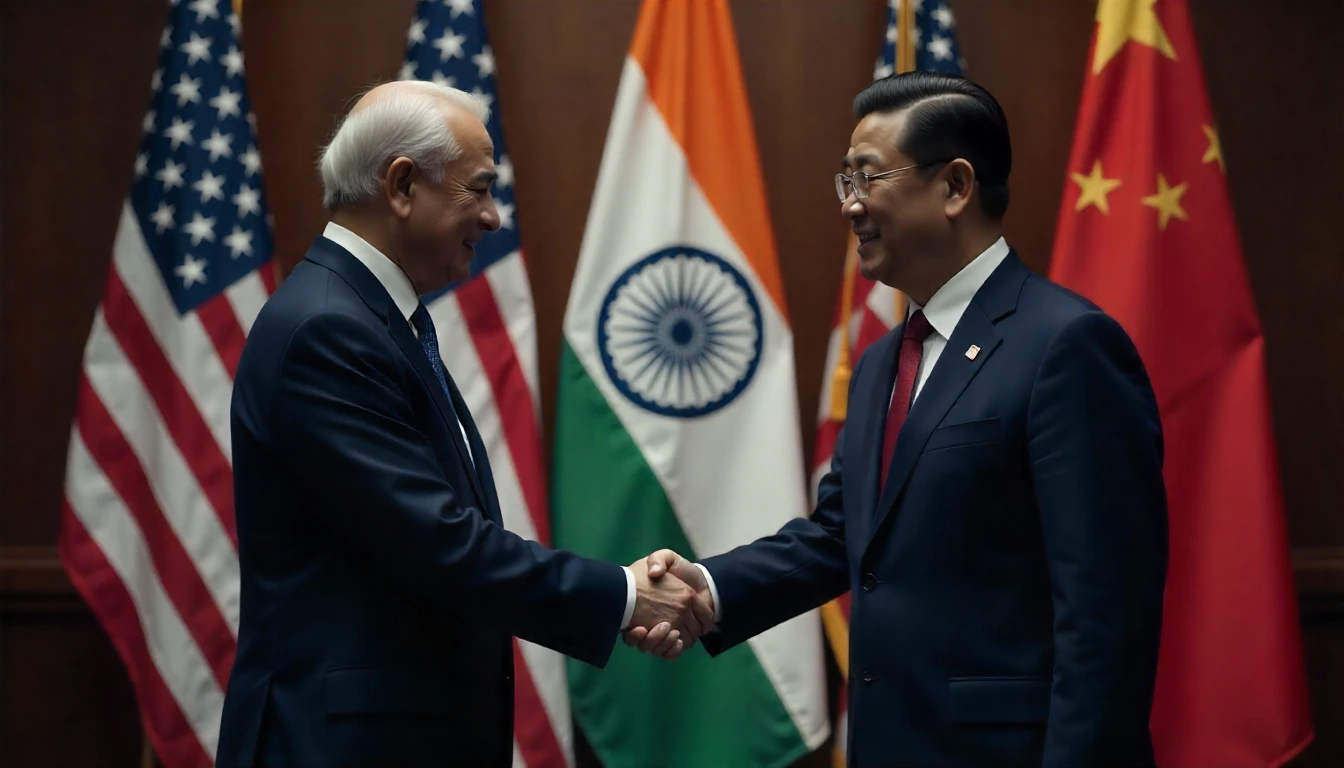
China’s diplomacy in South Asia has become a quiet yet powerful lever in reshaping the U.S.–India–Pakistan equation. Beijing has played both sides: engaging New Delhi with trade deals and investment promises, while simultaneously deepening its all-weather friendship with Pakistan through the China–Pakistan Economic Corridor (CPEC).
When senior Chinese officials visit India, they talk cooperation on BRICS, trade, and regional stability. When they visit Pakistan, the tone shifts toward defense cooperation, strategic infrastructure, and military readiness. This dual engagement frustrates Washington, which sees China’s growing influence as a direct challenge to its own Indo-Pacific strategy.
Pakistan benefits most from this balancing act. With China providing modern weaponry, infrastructure funding, and political backing in international forums, Islamabad gains both tangible assets and a psychological edge over New Delhi. The message is clear: if India chooses to lean too heavily on Washington, Pakistan can counterbalance with Beijing — keeping India trapped between two nuclear neighbors.
Pak–India Military Clash — The Day India’s Image Took a Hit
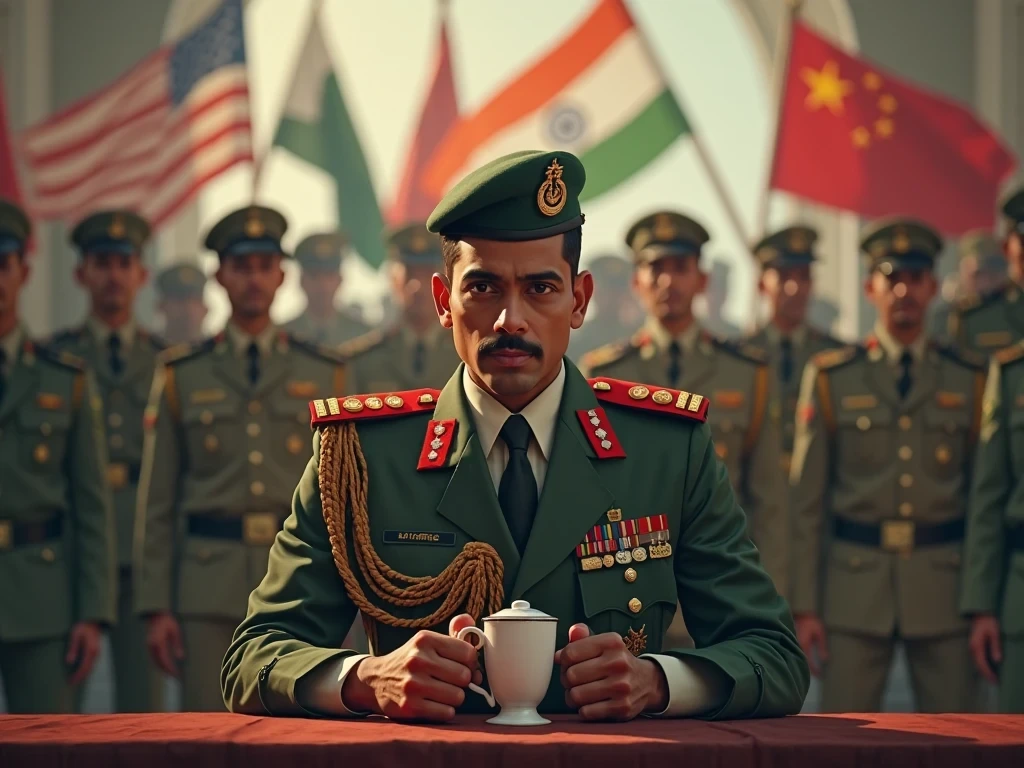
While India frequently projects itself as South Asia’s dominant power, its military record against Pakistan often tells another story. A striking example occurred when Pakistani forces not only repelled Indian incursions but also downed Indian aircraft, capturing Wing Commander Abhinandan Varthaman. The calm image of him sipping tea while in Pakistani custody went viral — not as a symbol of Indian strength, but as proof of Pakistan’s composure and control.
This episode rattled New Delhi’s credibility at home and abroad. It exposed the gap between India’s massive defense budget and its actual ability to dominate the battlefield. For the USA, which has increasingly partnered with India to balance China’s rise, it was a reminder that betting exclusively on New Delhi as South Asia’s anchor is risky.
The incident also emboldened Islamabad. Under the leadership of figures like FM Munir, Pakistan showcased military readiness and disciplined escalation control — an approach both Washington and Beijing quietly respect.
The May 2025 “Three-Day War” — A Reality Check for India
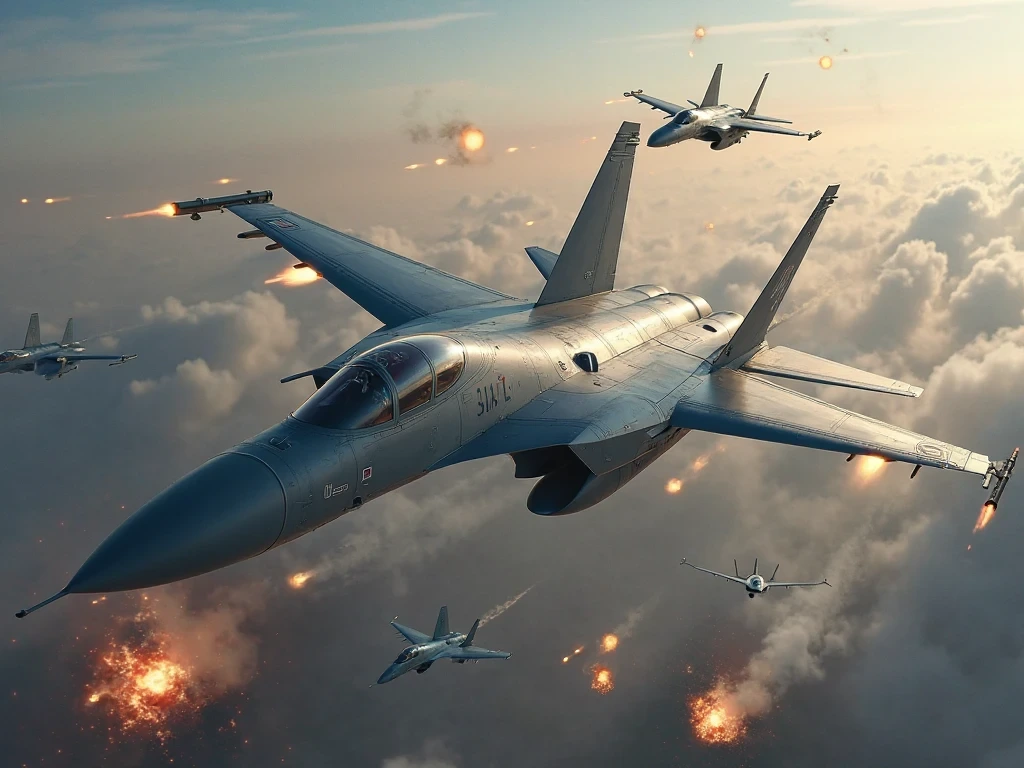
This dynamic repeated itself during the May 2025 standoff, triggered by the Pahalgam terrorist attack. India launched Operation Sindoor with missile strikes across the Line of Control, but Pakistan responded with force and precision. According to Pakistani sources, its air force downed five Indian fighter jets — including Rafales and MiG-29s — and destroyed a combat drone, while conducting retaliatory missile strikes on Indian military positions.
India issued its own counter-narrative, claiming to have destroyed six Pakistani aircraft, including a surveillance plane, using advanced S-400 surface-to-air missiles from ranges approaching 300 km — the longest-recorded engagement of its kind. Both nations flatly rejected each other’s claims, illustrating the fog of war and the political stakes surrounding narrative control.
Strategic Implications for Global Powers
These confrontations prove that despite India’s size and modernization drive, Pakistan remains a capable adversary. For Russia, which maintains defense ties with both South Asian rivals, and for the USA, which courts India as a counterweight to China, the lesson is clear: South Asia’s balance of power is far more fragile than political speeches suggest.
Pakistan’s ability to retaliate quickly, maintain composure under pressure, and avoid uncontrolled escalation reinforces its strategic relevance. As the Abhinandan episode and the May 2025 conflict both show, any assumption of unilateral Indian dominance is premature — and risky for allies banking on it.

FM Munir’s Warning on U.S. Soil — “We Will Strike the Eastern Front”
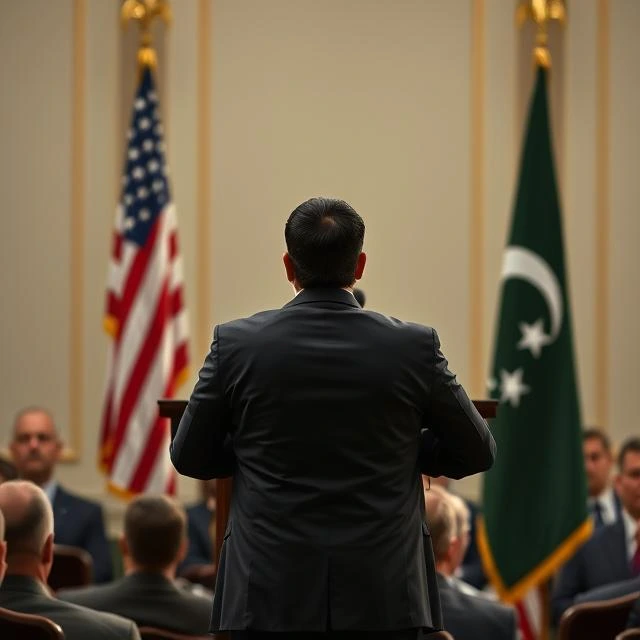
In a recent visit to the U.S., Pakistan’s Foreign Minister delivered a blunt message: if India dares to attack, Pakistan will respond decisively on the eastern front. What made headlines was not just the statement itself, but where it was said — in Washington.
This was more than rhetoric. It was a calculated display of confidence, signaling that Pakistan has the ear of key U.S. policymakers. By making such a statement in America, FM Munir implied that Islamabad is not operating in isolation — it understands the geopolitical chessboard and knows when to project strength in front of the right audience.
For India, this was an uncomfortable reminder that Pakistan’s voice carries weight in Washington. For the U.S., it was a wake-up call: Pakistan remains a vital player whose strategic deterrence cannot be ignored, especially if conflict in the subcontinent risks drawing in China and destabilizing the Indo-Pacific.
Global Alliances in Flux — The New Non-Aligned Game
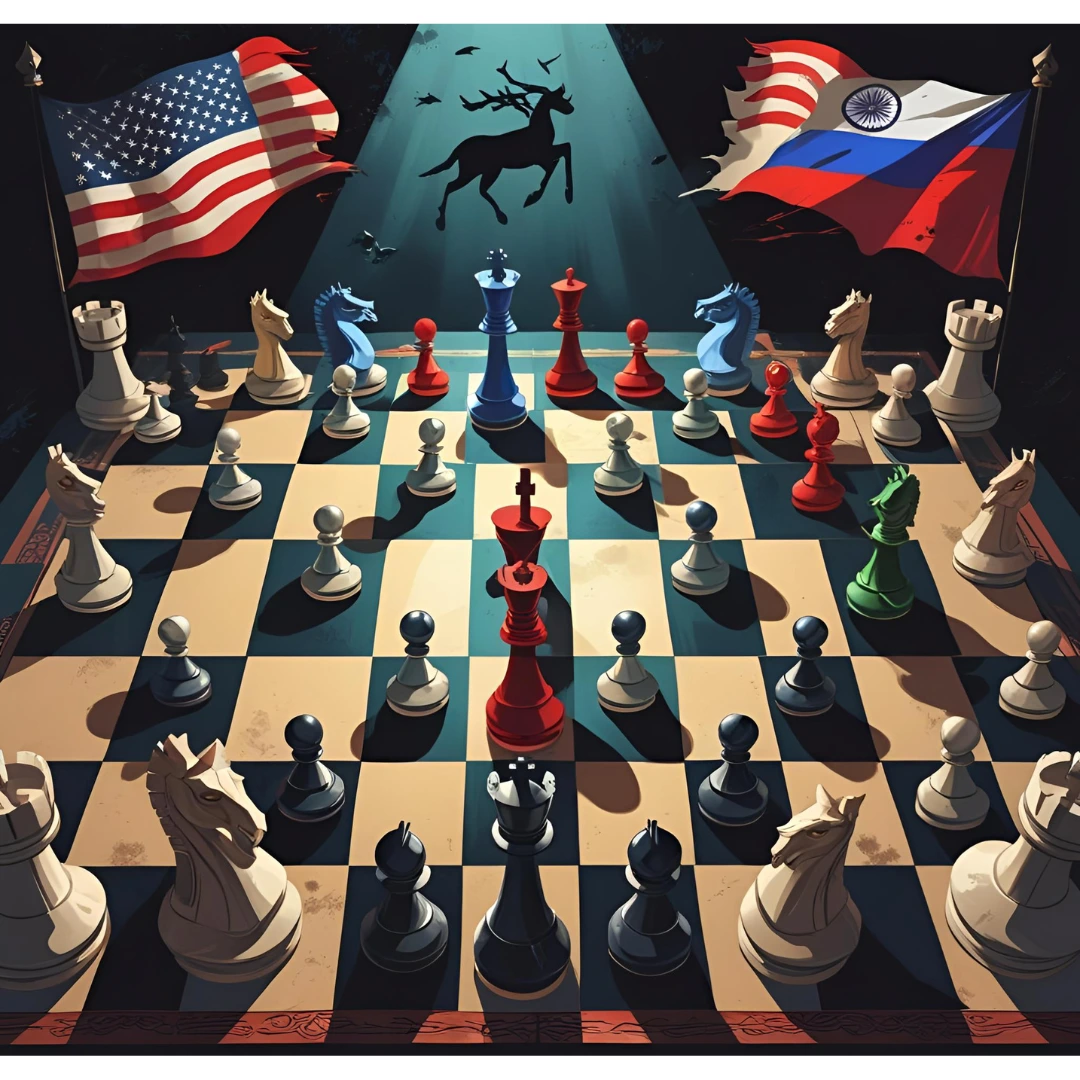
The Cold War’s clear-cut alliances are gone. Today, India and Pakistan both practice versions of “multi-alignment” — dealing with the U.S., China, Russia, and the Gulf states simultaneously. But there’s a difference in execution.
India’s multi-alignment sometimes comes off as opportunistic, especially when it clashes with U.S. interests (as with Russian oil). Pakistan’s approach, on the other hand, often appears pragmatic — seeking development funding from China, defense cooperation with Turkey, energy deals with Russia, and continued security dialogue with the U.S.
This flexibility positions Pakistan as a potentially more reliable “balancer” in the region. In an era when Washington needs adaptable partners to counter China without alienating Muslim-majority nations or losing influence in Central Asia, Islamabad’s diplomatic agility becomes a valuable asset.
Energy Diplomacy — Oil, Gas, and the Great Power Tug-of-War
Energy has become the bloodstream of modern geopolitics, and both India and Pakistan are in the thick of it. India’s heavy purchase of discounted Russian crude after the Ukraine war drew Washington’s irritation, but New Delhi shrugged it off, citing economic necessity. The move underscored India’s willingness to defy U.S. pressure when its domestic needs outweigh diplomatic obligations.
Pakistan, while facing its own energy crises, has been exploring creative partnerships — LNG deals with Qatar, oil talks with Russia, and renewable energy projects under CPEC. These deals are about more than fuel; they’re about sovereignty. Every tanker of Russian crude arriving in Karachi signals that Pakistan, too, can play the great powers against each other to secure its needs.
If the U.S. wants to keep both South Asian giants in its orbit, it must reckon with this new reality: in energy politics, loyalty is fluid, and national interest trumps alliance rhetoric.
The Global Impact — Why the World Can’t Ignore South Asia
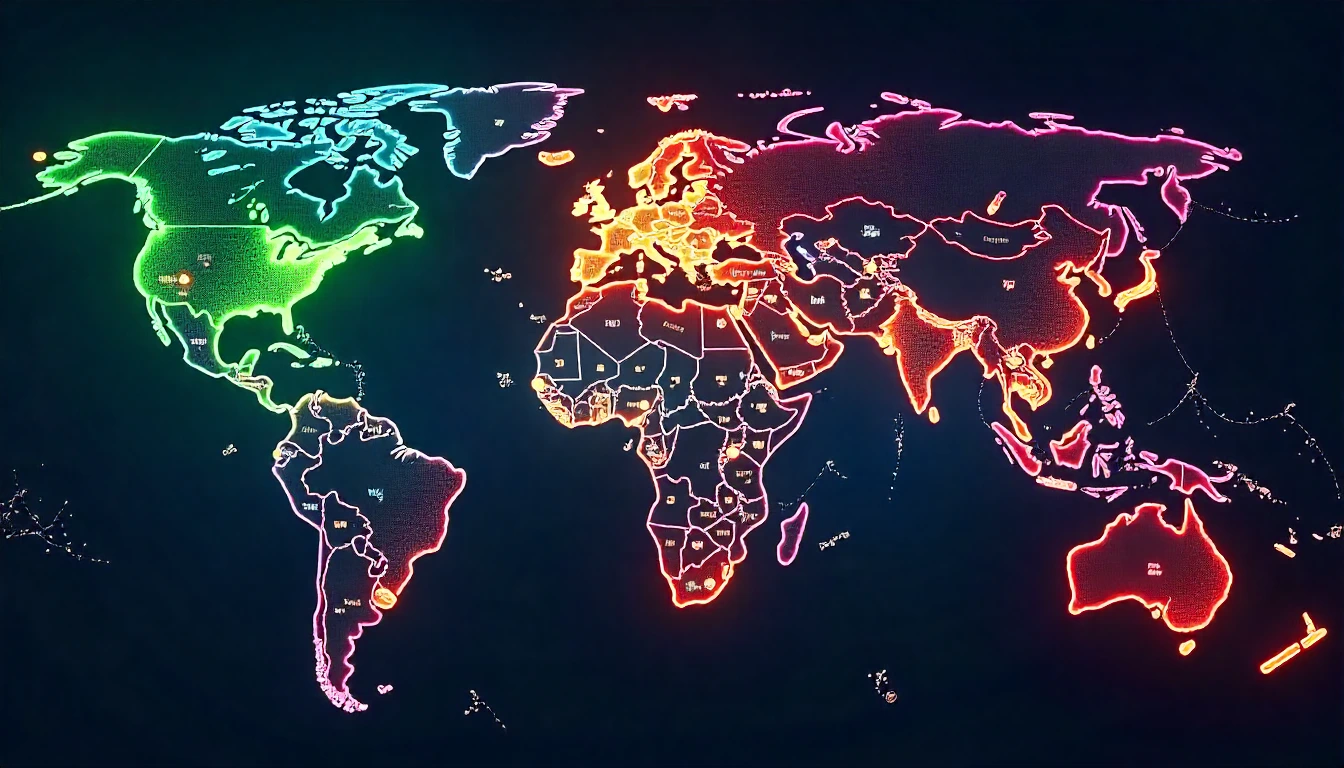
The India–Pakistan rivalry isn’t just a neighborhood quarrel; it’s a global fault line. Any escalation here could ripple across oil prices, global shipping routes, and even nuclear stability. The U.S. sees India as a counterweight to China, but it also recognizes Pakistan’s role as a bridge to the Muslim world, a nuclear deterrent against regional instability, and a potential mediator in crises involving Afghanistan or the Gulf.
China, meanwhile, views Pakistan as an indispensable partner in its Belt and Road Initiative, while treating India as both a rival and a necessary economic player. The tug-of-war between Washington and Beijing over South Asia is not just about military bases or trade — it’s about who will write the rules of the next world order.
In this contest, Pakistan’s importance has risen. Its military credibility, strategic location, and diplomatic agility have made it impossible for major powers to sideline Islamabad without risking the balance of the region.
Conclusion — A Region on the Edge, A World Watching
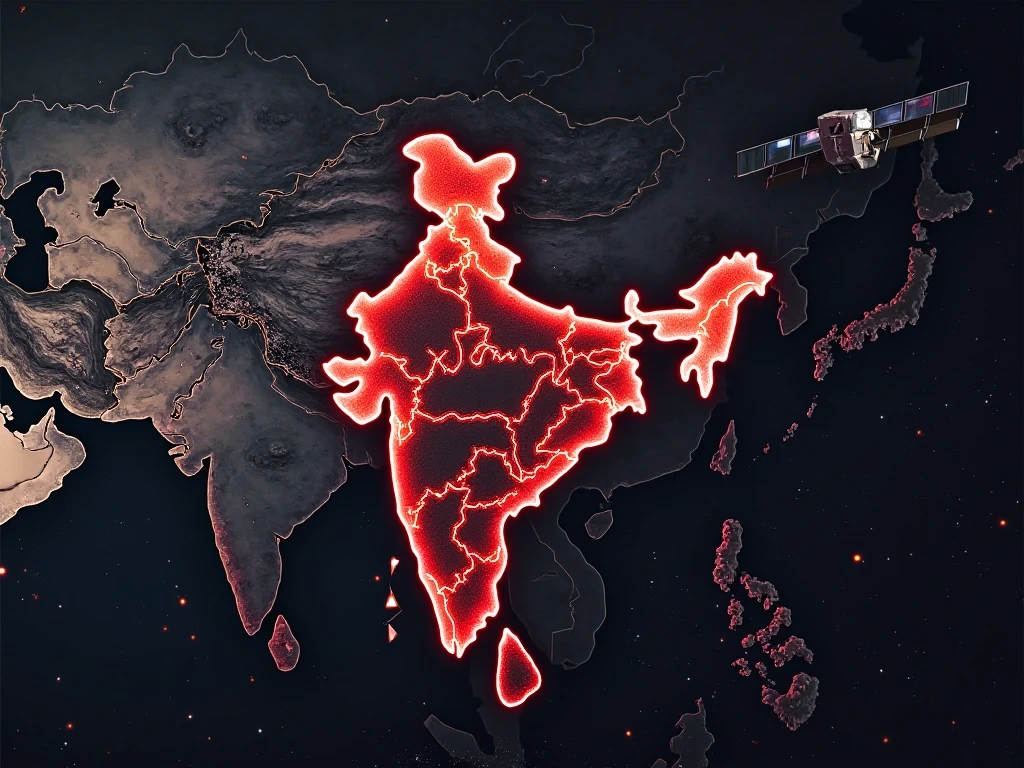
South Asia’s chessboard has never been so unpredictable. The U.S.–India partnership is ambitious but strained by trade disputes, defense expectations, and India’s flirtations with Russia. Pakistan, once seen as a secondary player, has reclaimed relevance through military strength, strategic diplomacy, and the backing of powerful friends like China and Turkey.
For Washington, ignoring Pakistan is no longer an option; for Beijing, keeping India at arm’s length is equally vital. And for the world, one truth stands out: the fate of the Indo-Pacific — and perhaps the global order — will be shaped as much in Islamabad and New Delhi as in Washington and Beijing.
2 thoughts on “USA and India – 10 Explosive Turning Points: Pakistan is Stealing the Spotlight on a Changing Global Chessboard”